As the afternoon rush builds in Dhaka, the smell of sizzling singara, spicy fuchka and freshly fried puri draws crowds to roadside stalls.
Office workers stop for a quick snack, students gather around carts after classes, and commuters grab something to eat before heading home.
For many, street food is more than a cheap meal. It is part of the everyday rhythm of the city.

But behind the familiar flavours lies a concern that often goes unnoticed: how safe is the food we eat on the streets?
Street food vendors serve thousands of people every day, offering affordable meals in a city where time and money are often limited.

Yet the conditions in which some food is prepared and served can put consumers at risk.

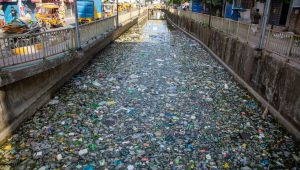
Open drains, crowded pavements, inadequate access to clean water and limited washing facilities make it difficult for vendors to maintain proper hygiene.


The risks begin with the basics. Food handled with unwashed hands, utensils rinsed in contaminated water, and raw ingredients stored beside cooked items can allow harmful microorganisms to spread.
Chutneys, sauces and other ingredients kept at room temperature for hours may also become unsafe, particularly in Dhaka’s heat. Eating contaminated food can cause diarrhoea, vomiting and other forms of foodborne illness.

Then there is the dust. Much of Dhaka’s street food is prepared beside busy roads, where passing vehicles stir up dust and expose stalls to exhaust fumes.
Uncovered snacks can collect airborne particles and dirt, while flies and other insects may settle on food before it reaches the customer. A glass cabinet or simple cover can make a difference, but many stalls leave food exposed for convenience.
The danger is not always visible. Food may look fresh, smell appetising and taste perfectly normal while still containing harmful bacteria.

Repeated exposure to unsafe food and water can also increase the risk of intestinal infections, with children, older people and those with weakened immune systems particularly vulnerable to severe illness.
None of this means Dhaka must give up its street-food culture. Vendors need practical access to clean water, waste disposal, food covers and proper storage facilities.
Regular inspections and basic food-safety training can help make safer practices part of everyday business.

Customers, too, can make more careful choices by favouring stalls where food is freshly cooked, served hot and handled with clean utensils.
The appeal of street food lies in its flavour, affordability and connection to city life. Keeping that tradition alive should also mean making every bite safer.