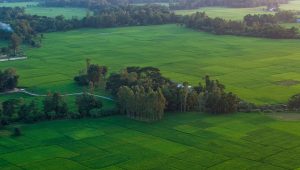
Sprawling across 18 acres in the Deobhog area, Narayanganj City Park – popularly known as Sheikh Russel Park – was once hailed as a landmark triumph of urban ecological restoration.
Designed by consultancy firm VITTI Sthapati Brindo Ltd for the Narayanganj City Corporation, the project remarkably rehabilitated a degraded municipal dumping ground and neglected waterbody into a thriving, scenic urban wetland.
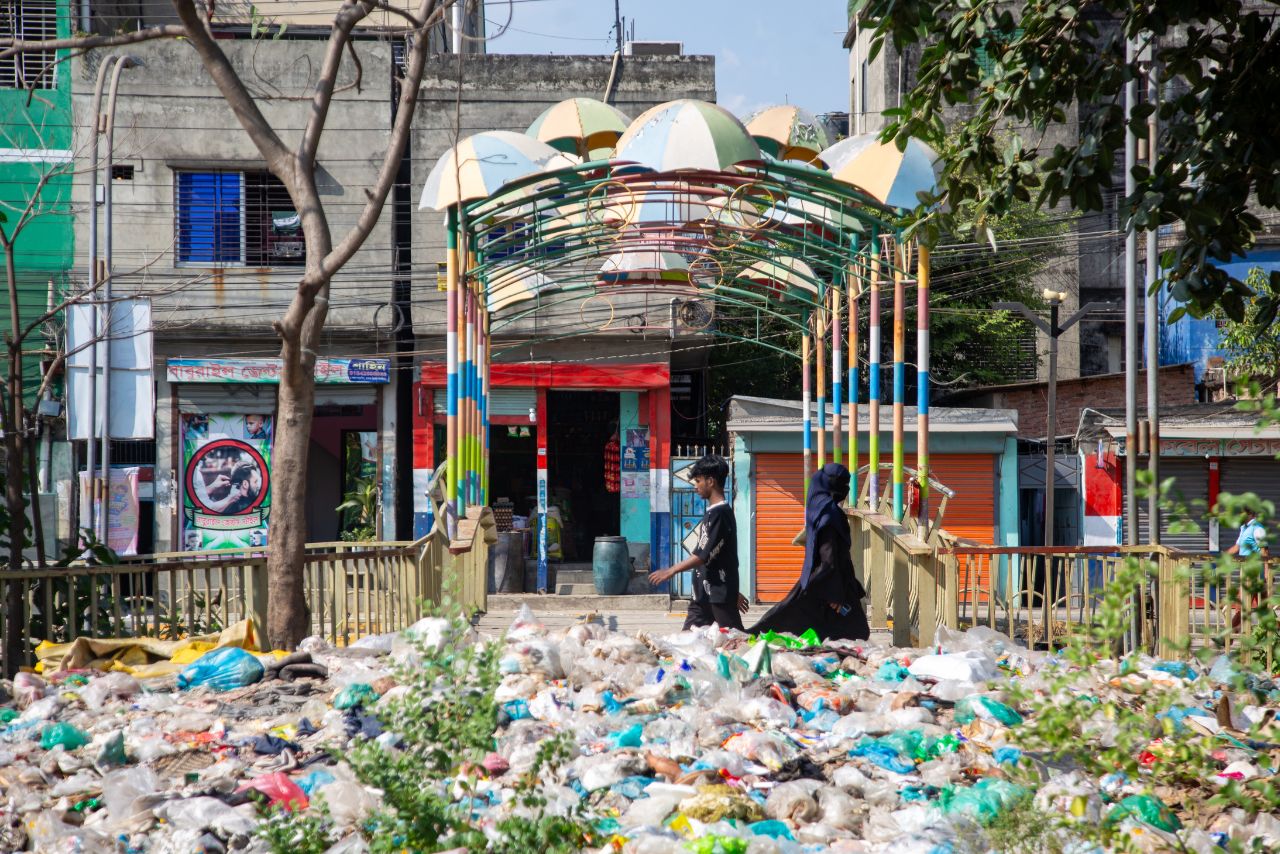
Today, however, pervasive garbage pollution and municipal neglect severely endanger its ecological and recreational value.

The project received widespread global recognition for its human-centered, water-sensitive design, securing prestigious international honors such as the CAA Social Impact Award and the Asian Townscape Jury’s Award.
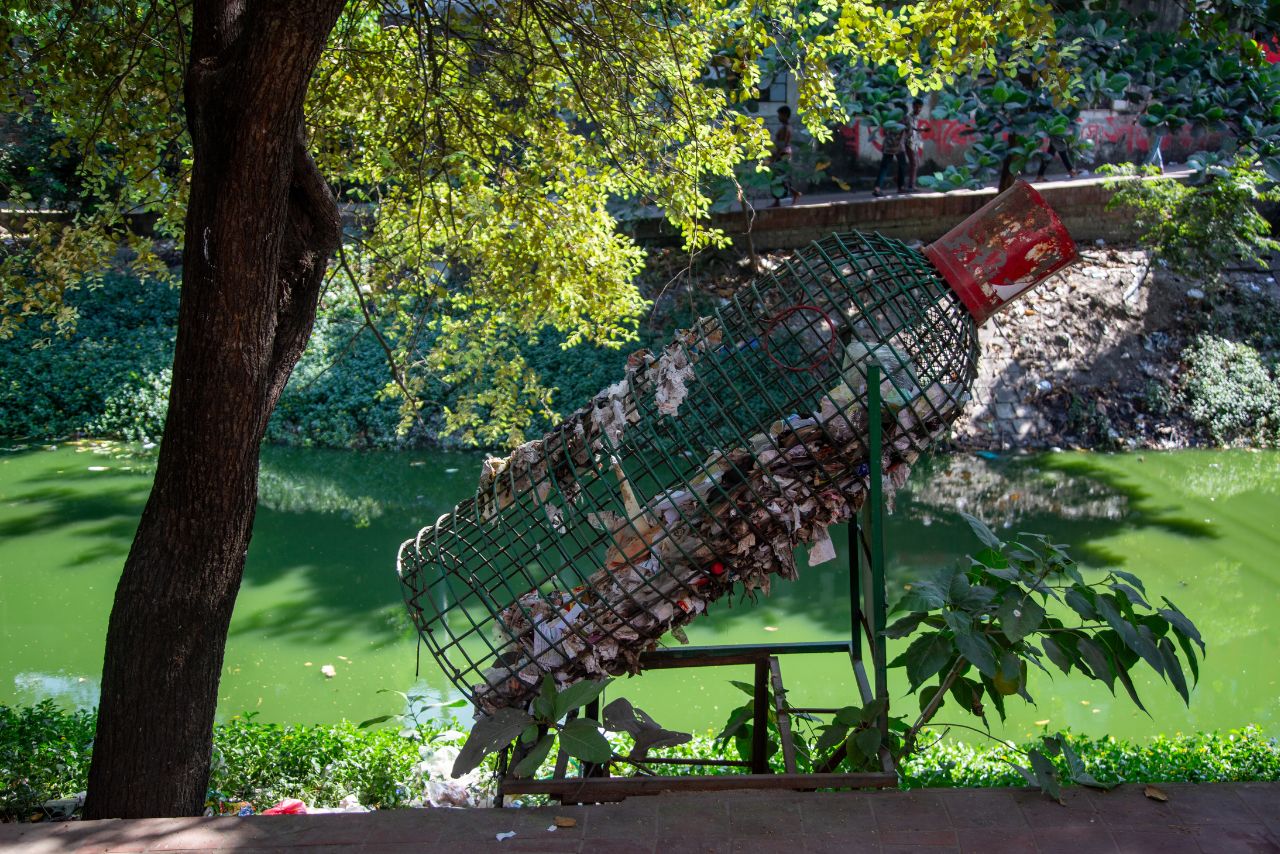
By incorporating native plant species like Hijol and Jarul, permeable walkways, stepped ghats, and nature-based water control systems, the park offered an essential refuge where over 1,000 daily visitors could escape urban pollution and enjoy fresh air.
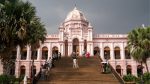



Despite this illustrious legacy, local visitors and nearby dwellers express growing alarm over the park’s rapid deterioration.

Uncollected trash, plastic debris along the lake edges, and unmaintained public amenities have begun polluting the water and spoiling the serene landscape.
The accumulation of unmanaged waste threatens the microhabitats built for local bird and aquatic life while deteriorating the overall ambient environment.
Urban planners and environmental advocates stress that the long-term success of secondary city regeneration depends heavily on sustained maintenance and civic governance.
Without swift municipal intervention and effective waste management, Narayanganj’s proudest model of sustainable urban revival risks lapsing back into the degraded wasteland it once replaced.