


Ever since the Mughal capital was shifted to Dhaka in 1610, the menace of pirates became a source of constant concern for the city’s governors. Relentless attacks kept residents in a state of terror. Portuguese and Magh pirates would sail from coastal areas in boats, cutting across the Meghna River. Upon reaching the mouth of the Dhaleshwari, they would turn right and enter the Shitalakshya River. During the Sultanate era, they used to plunder Sonargaon, but the city lost its allure after the Mughal capital was established in Dhaka.
Hajiganj Fort is one of three water forts that formed a triangular defensive network in the 17th century to protect Dhaka from Portuguese and Magh pirates.
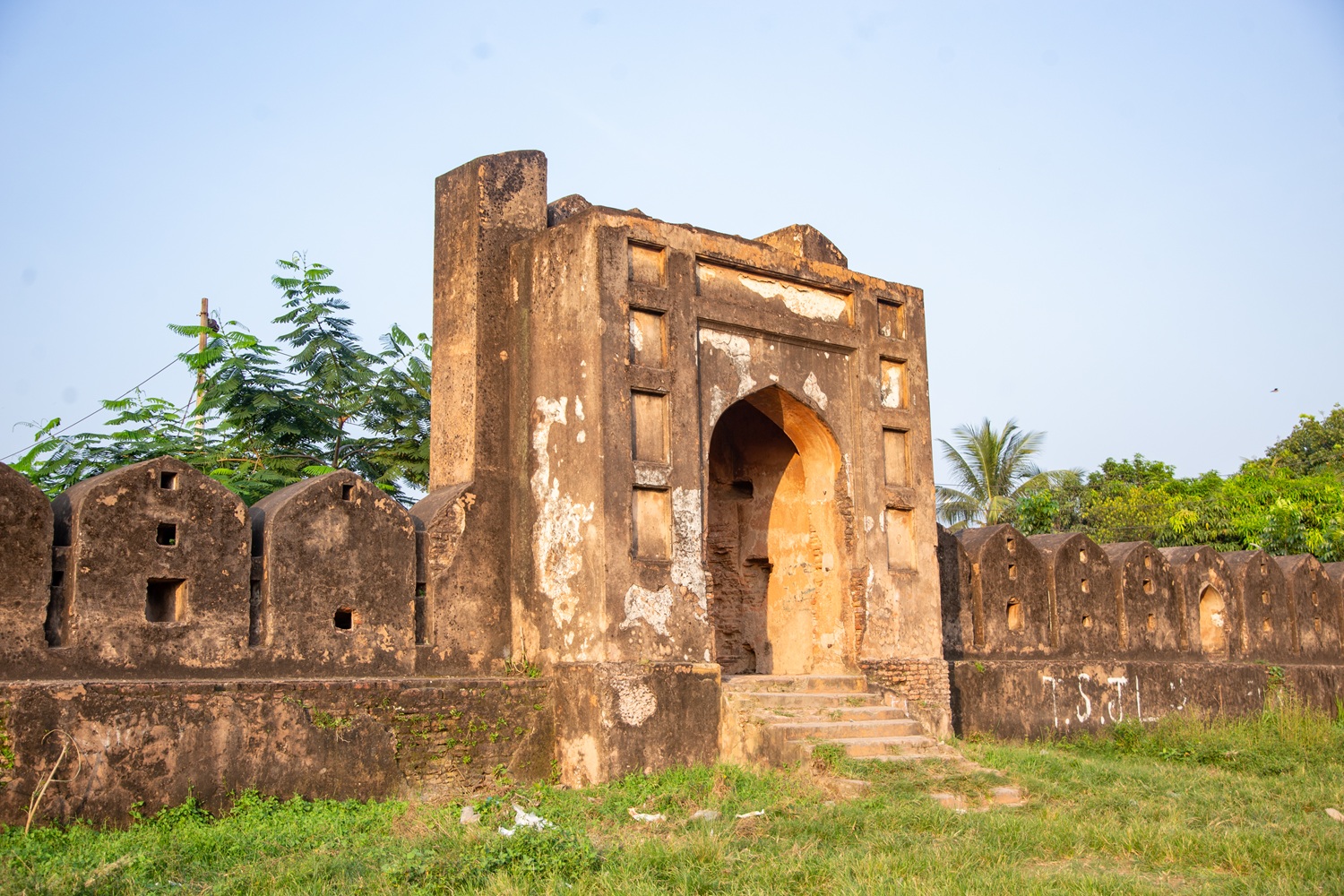
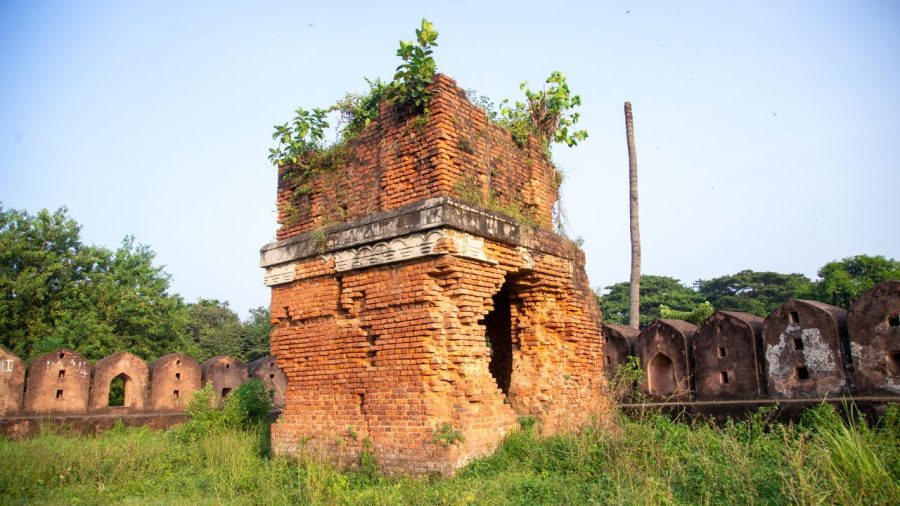
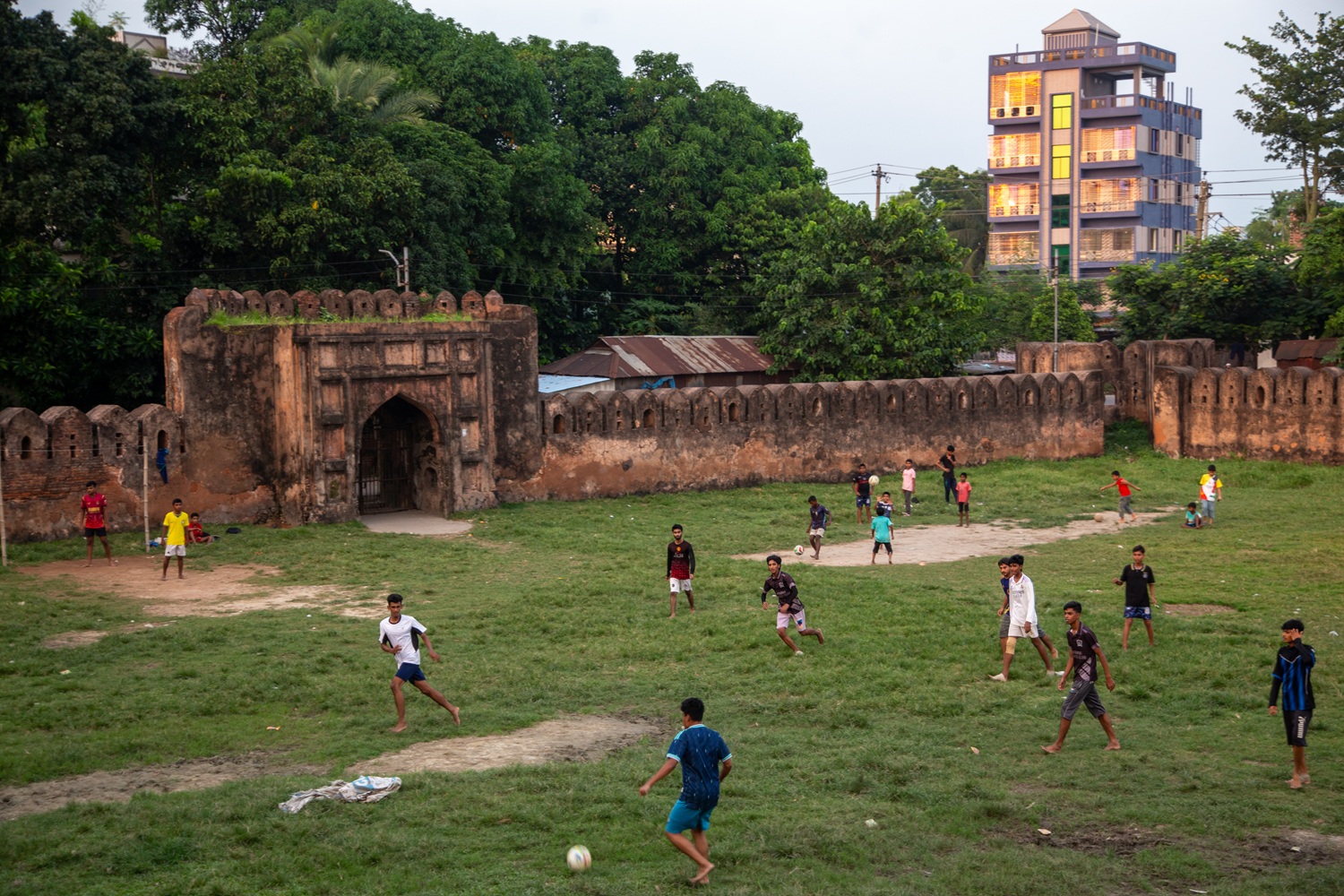
This fort, a fine example of Mughal-era architecture, is now deteriorating due to neglect. There are also allegations that influential individuals have encroached upon the land surrounding the fort. Bricks have fallen from the watchtower, and large sections of the wall’s plaster have crumbled away. Miscreants dismantled and removed the fort’s gate long ago. With no security measures in place, anyone can enter the premises at any time.

Consequently, the fort has turned into a hangout spot and a playground for many, while also serving as a grazing ground for cattle and goats. Every day, visitors arrive from far and wide to see the structure, only to leave with heavy hearts upon witnessing its dilapidated state.
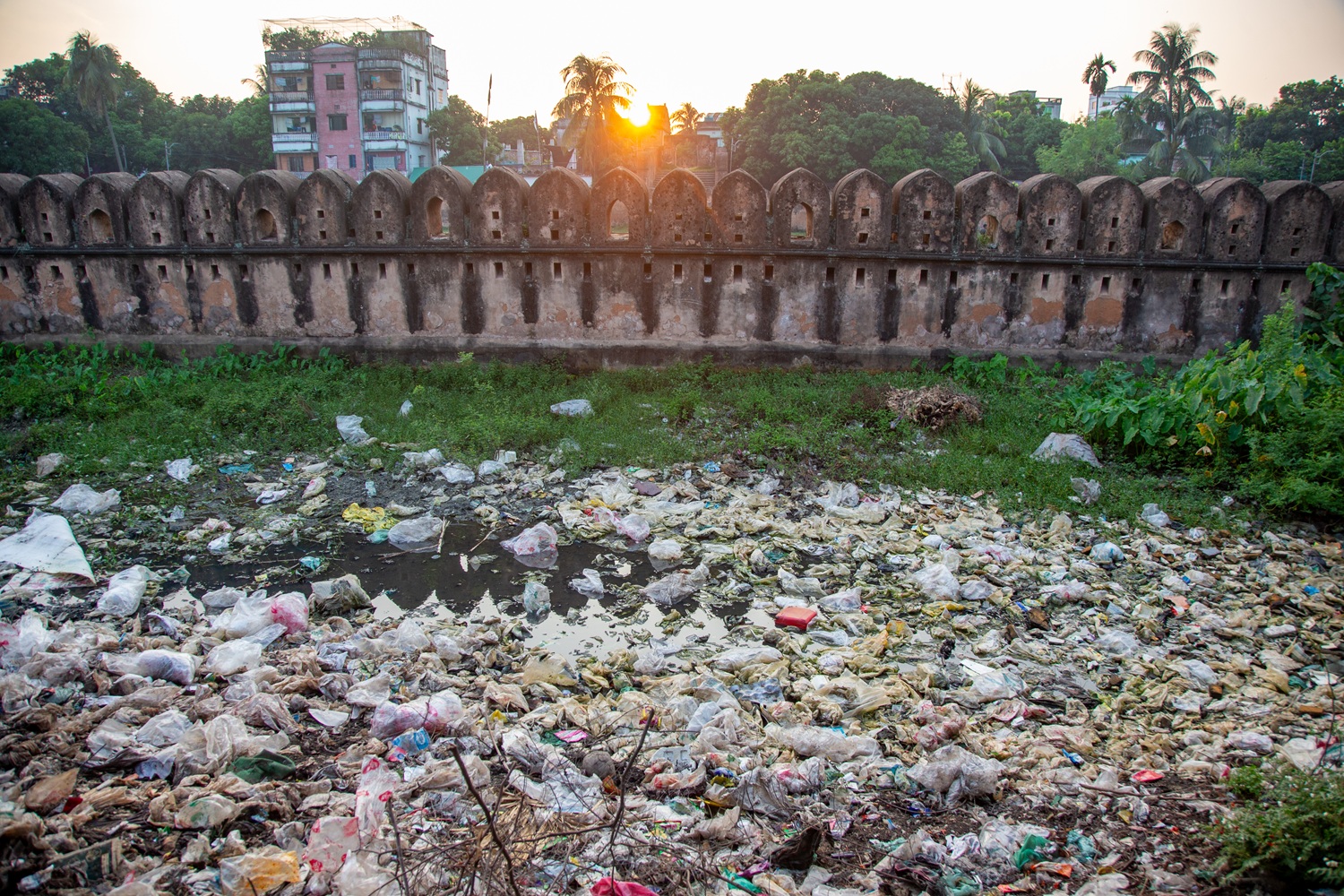




The historic Sonakanda Fort, dating back approximately 450 years and situated on the eastern bank of the Shitalakshya River in Narayanganj’s Bandar Upazila, is currently facing a crisis due to accumulated garbage, foul odours, and mismanagement. The long-term accumulation of waste inside and around this historic structure is damaging not only the environment but also the fort’s aesthetic appeal and heritage value.
According to historians, Sonakanda Fort is one of three river forts established prior to the 17th century. It is believed to have been constructed between 1660 and 1663 during the tenure of Mir Jumla, the Subahdar of Bengal, to thwart the depredations of pirates. Local folklore surrounding the fort includes legends of Swarnamayi (or Sona Bibi) and tales of a purported secret tunnel connecting it to Lalbagh Fort.
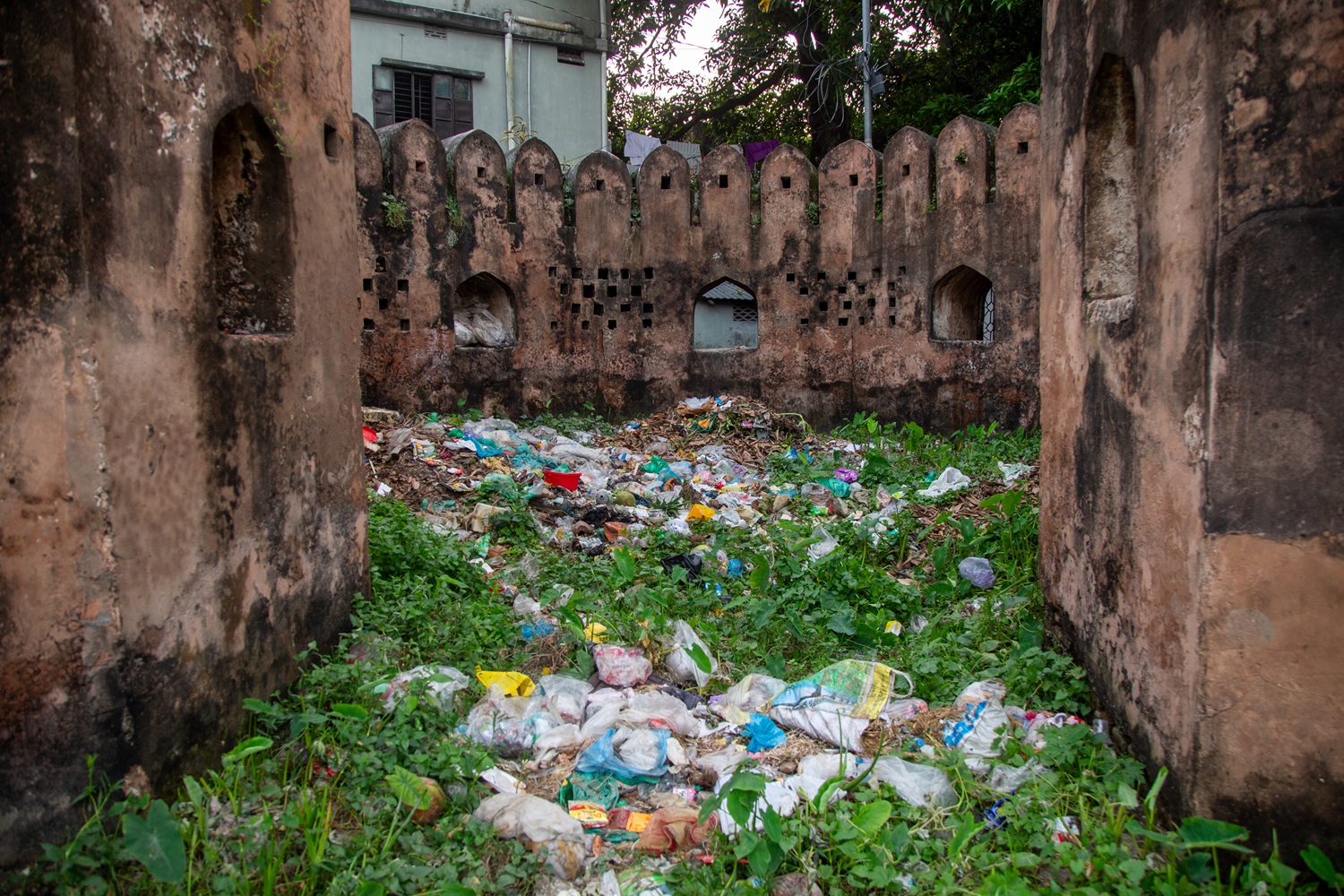
A recent on-site inspection revealed piles of stagnant wastewater and various types of refuse lining the fort’s walls. The debris included polythene, plastics, fruit and plant waste, wood scraps, hair discarded from salons, broken Styrofoam, construction rubble, and even some medical waste.
The country’s Department of Archaeology should preserve the two forts – Hajiganj and Sonakanda- which stand as reminders of a time when Dhaka’s defence depended on the waters that surrounded it.
For a city that prides itself on its Mughal heritage, the condition of these forts raises uncomfortable questions. How can a nation protect its future when it cannot protect its past? What message does it send when the very structures built to defend Dhaka are left to decay?