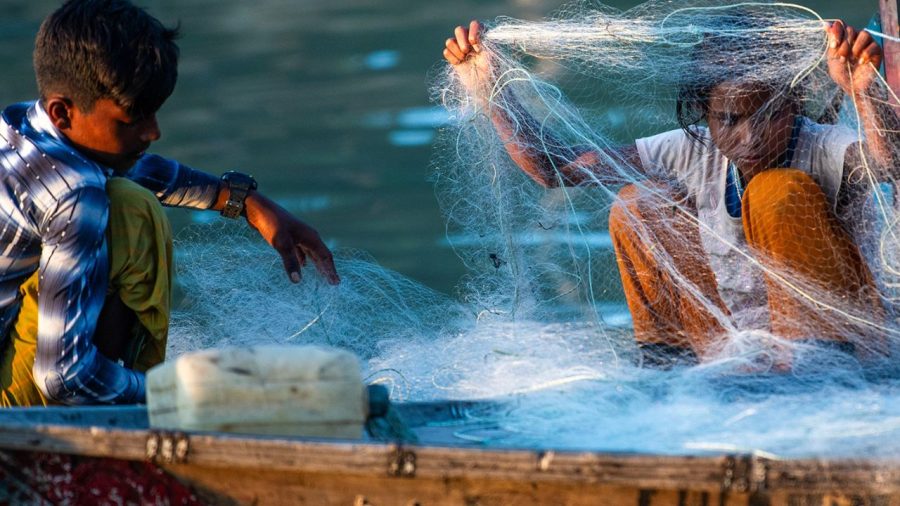



In Matlab, Chandpur, fishermen push their boats into the river, cast their nets, and wait.
For generations, families here have lived with the river.
They have learnt its currents, its seasons, and the places where fish gather.
Their lives have been shaped by the water.
But the river they depend on is changing.
For the fishermen, that change is felt in simple things: the size of the catch, the hours spent on the water, and the money they bring home at the end of the day.
A day of hard work does not always guarantee enough fish to support a family.
Still, they go.
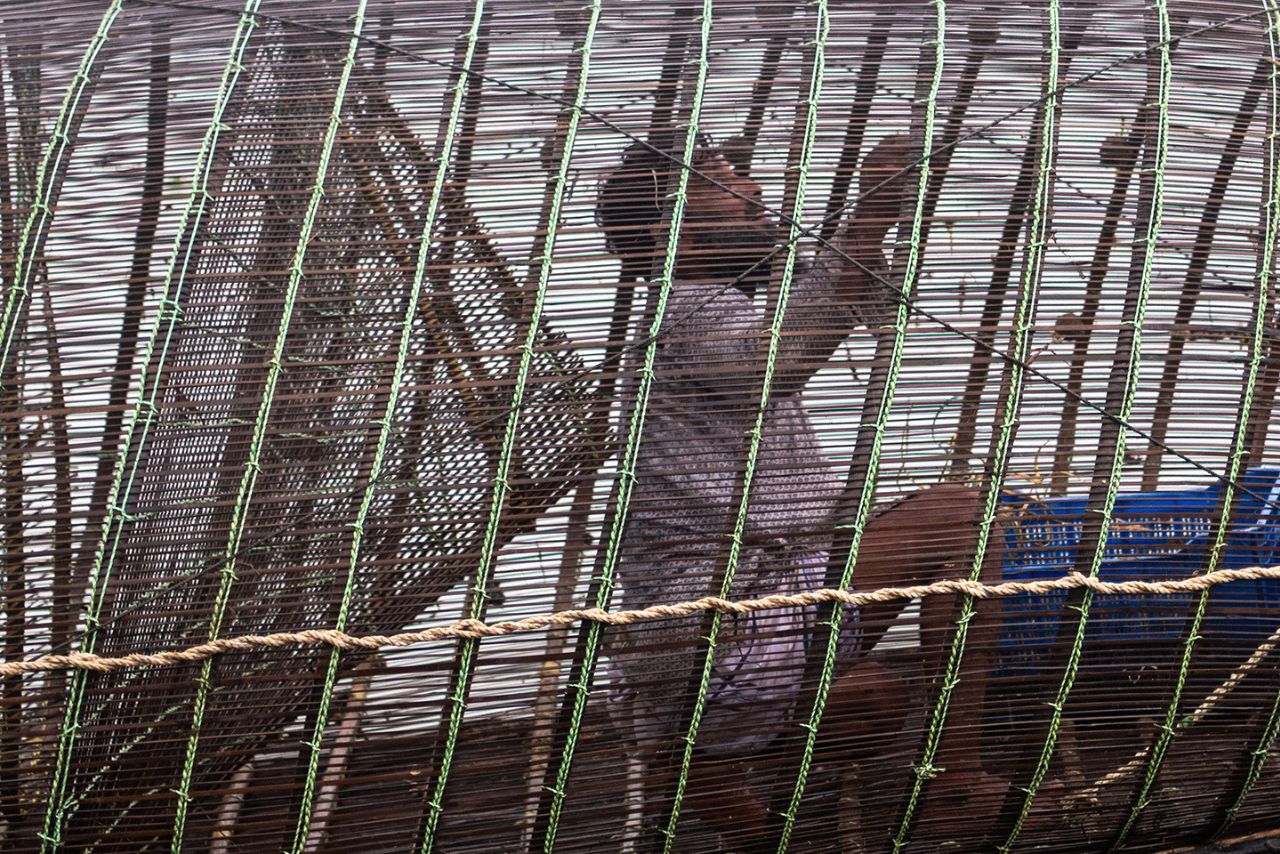
They return to the river because there are few other choices.

Their boats, nets, and knowledge have been handed down through generations.
Fishing is not simply a job here.
It is part of the identity of the community.
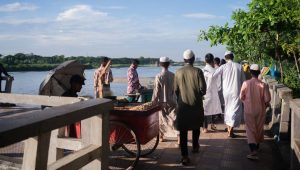
Along the banks, the life surrounding the catch continues.
Fish are brought to market, sorted, and sold.
People wash, work, and gather beside the same water that provides their food and income.




Children grow up watching their parents make a living from the river.
But uncertainty is becoming part of everyday life.
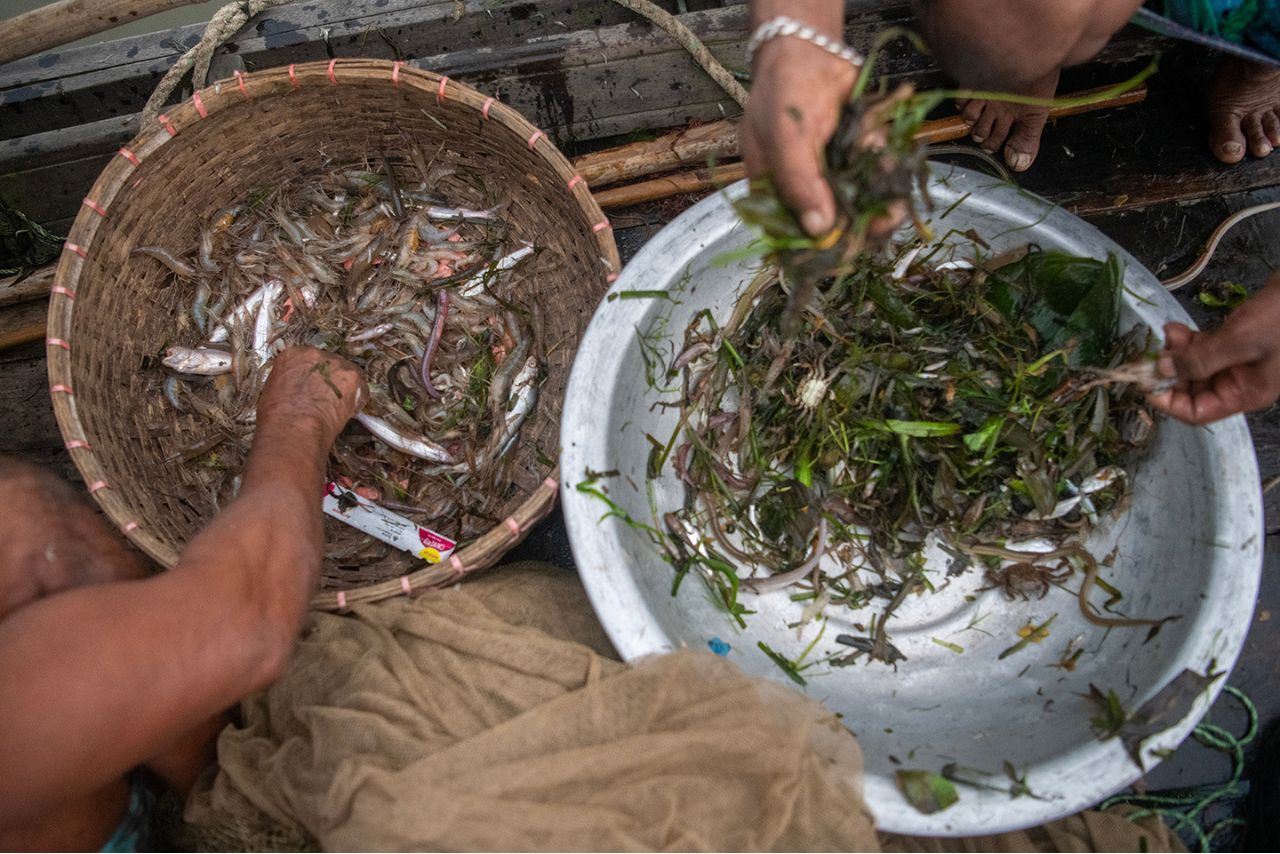
Fishermen speak about declining catches and the changes they have noticed in the water and the fish.
Some have experienced skin problems after spending long periods in the river.
For families already living with limited incomes, even a small change in their catch can affect what they can afford at home.
The Meghna is connected to a much larger river system.
The Buriganga, which flows through Dhaka, is one part of that interconnected network.
For decades, the river has received untreated sewage, industrial waste, and other pollution from the city.
What happens to Bangladesh’s rivers upstream does not always stay where it begins.
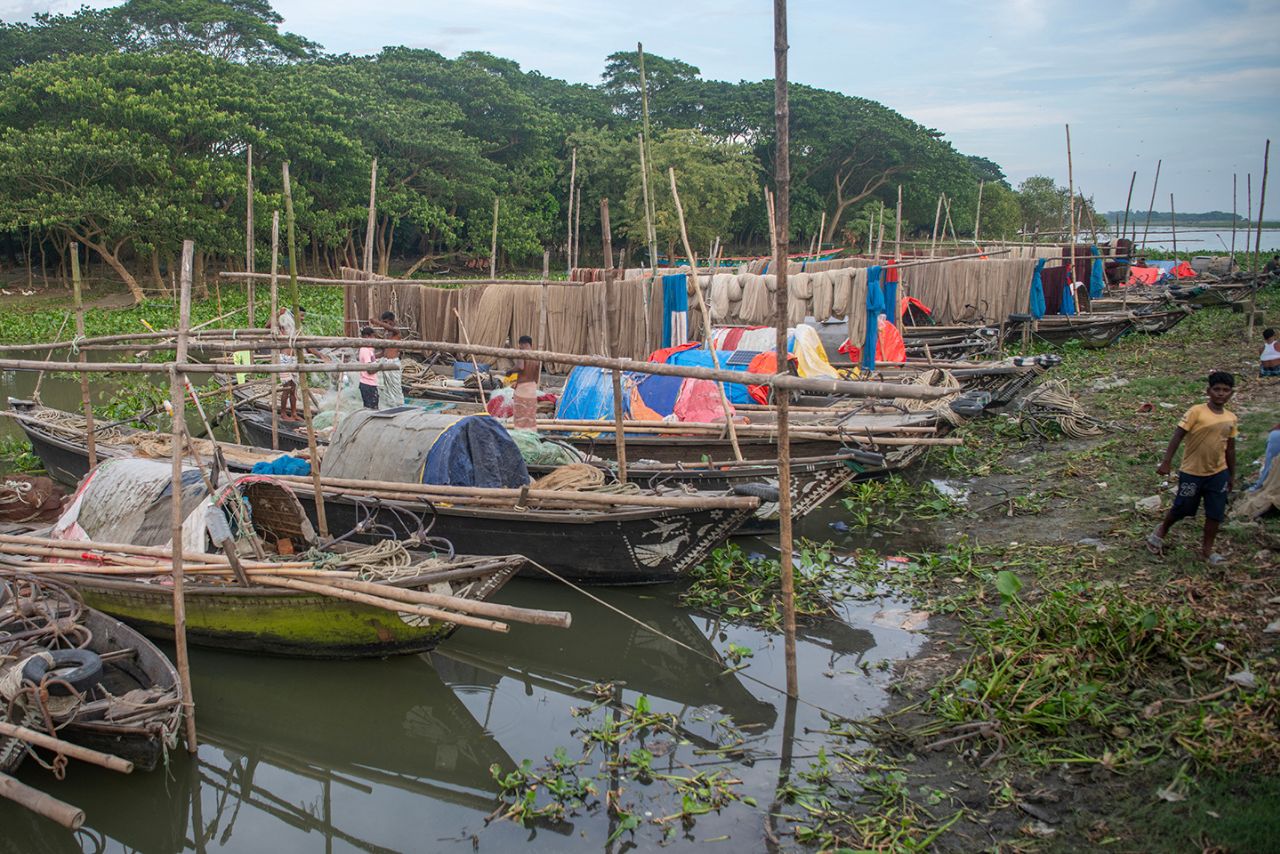
Water continues to move, connecting one river and one community to another.
For the people living beside the Meghna, however, these changes are not something measured only in reports or statistics.
They are measured in an empty fishing net.
In a smaller basket at the market.
In a fisherman returning home after a long day with less than he had hoped for.
And yet, the next morning, they go back.
The river is still their workplace, their source of food and income, and a place woven into the memory of their families.
They have spent their lives learning how to live with the river’s changing moods.
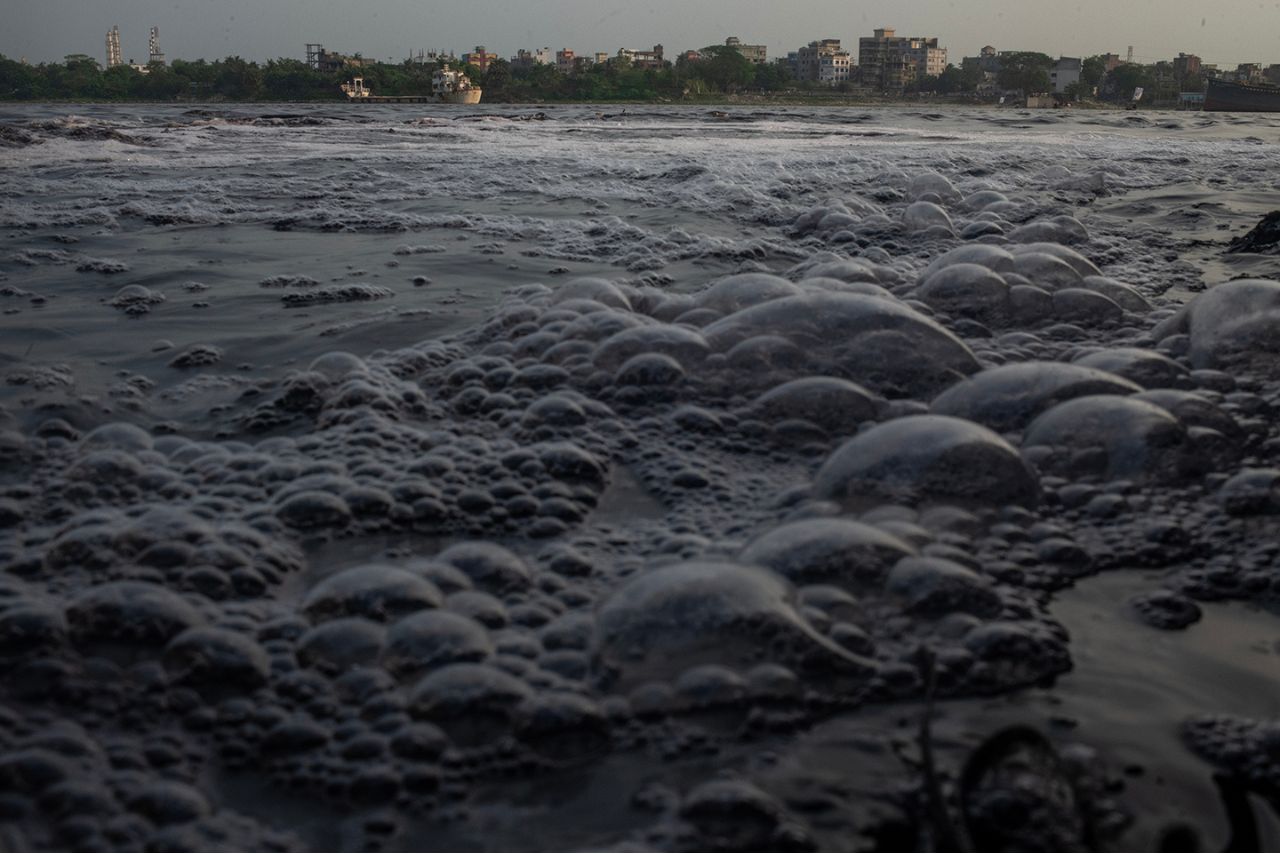
Now they are learning how to live with a changing river.
For them, leaving the river is not a simple choice.
Their lives are tied to it too deeply.
So, they continue to cast their nets, waiting for the river to give something back.
The river has always been a provider and a challenge.
But for the fishermen of Matlab, it is also a home, one they cannot abandon, even as it slips further from what it once was.
The water moves on, carrying with it the sediment of cities and the hopes of villages.
And every morning, the boats push out again, because the river, for all its changes, is still all they have.