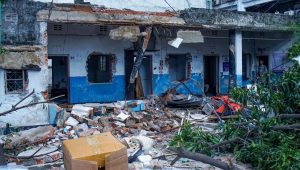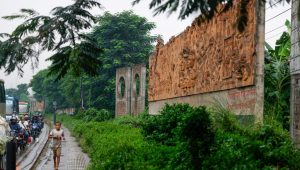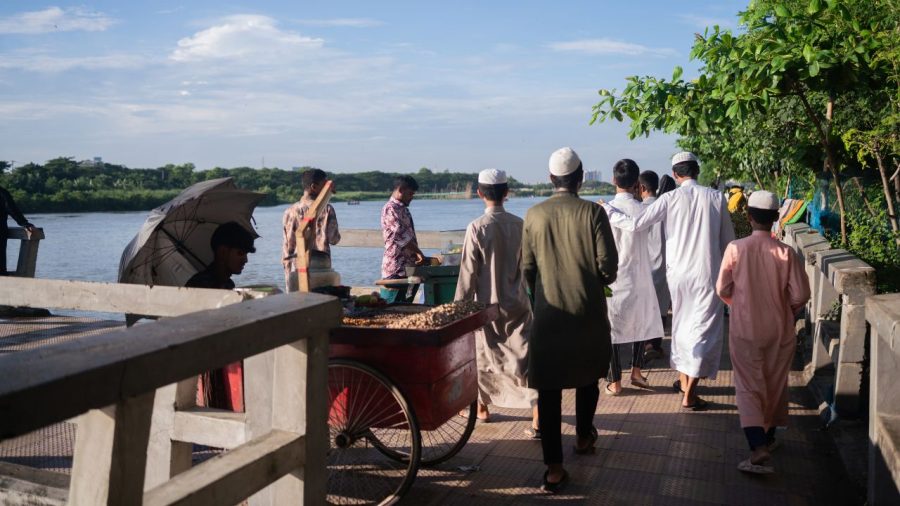



Along parts of Dhaka’s riverbanks, the boundary between public property and private use appears to be steadily disappearing.
Despite efforts by the Bangladesh Inland Water Transport Authority (BIWTA) to identify and protect river areas by installing boundary pillars, sections of the riverbank continue to be fenced off and used for private purposes.
In Mohammadpur’s Dhaka Udyan, adjacent to Block C, Road 1, one such fenced-off area has reportedly been turned into a small children’s park.
A house owner has allegedly occupied a portion of government-owned riverbank land, enclosed it with fencing and converted it into a recreational space, charging Tk40 per child for entry.
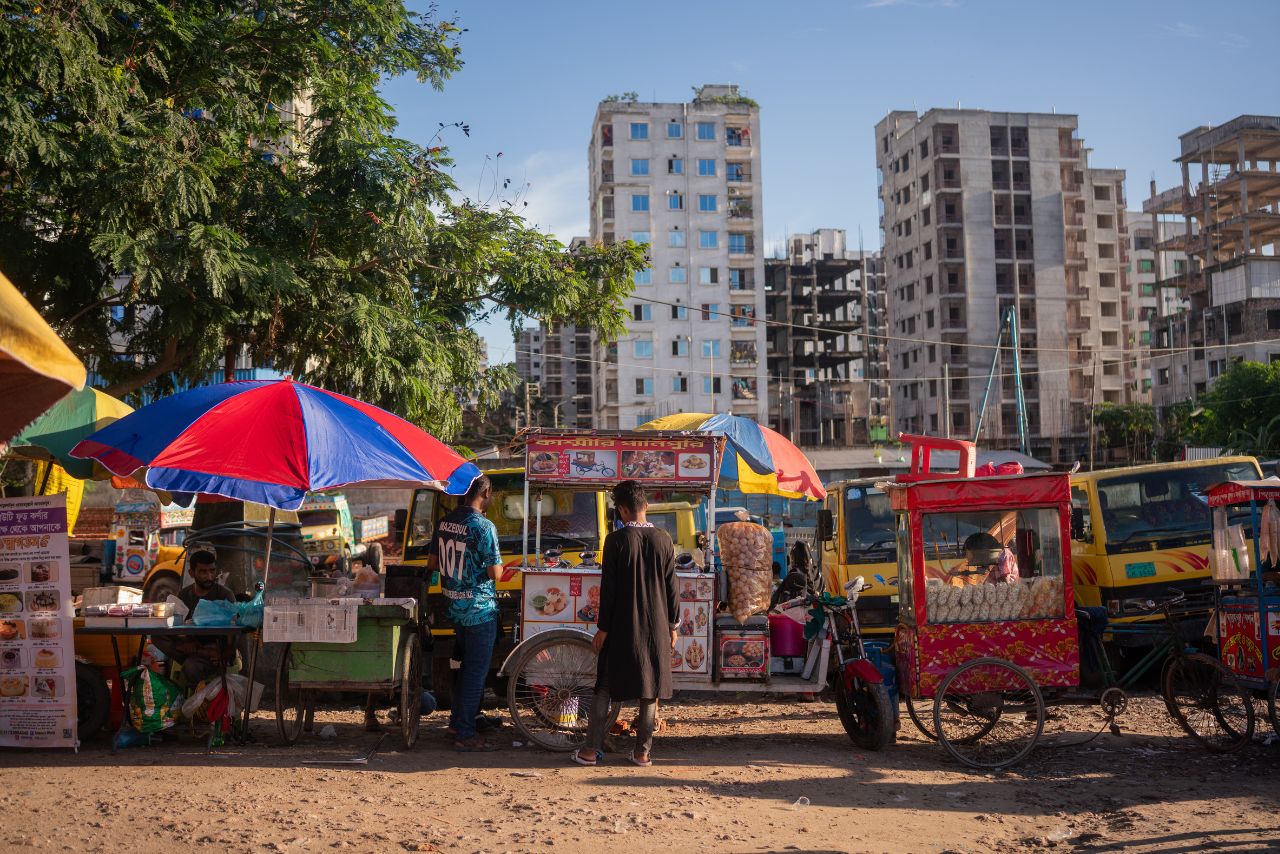
While the park may provide children with a place to play, its location raises a larger question: who has the right to use land that belongs to the public?

The issue is not limited to one location.
Various forms of unauthorised structures and private uses have emerged along government-owned riverbank areas, including shops, markets, houses and other installations.
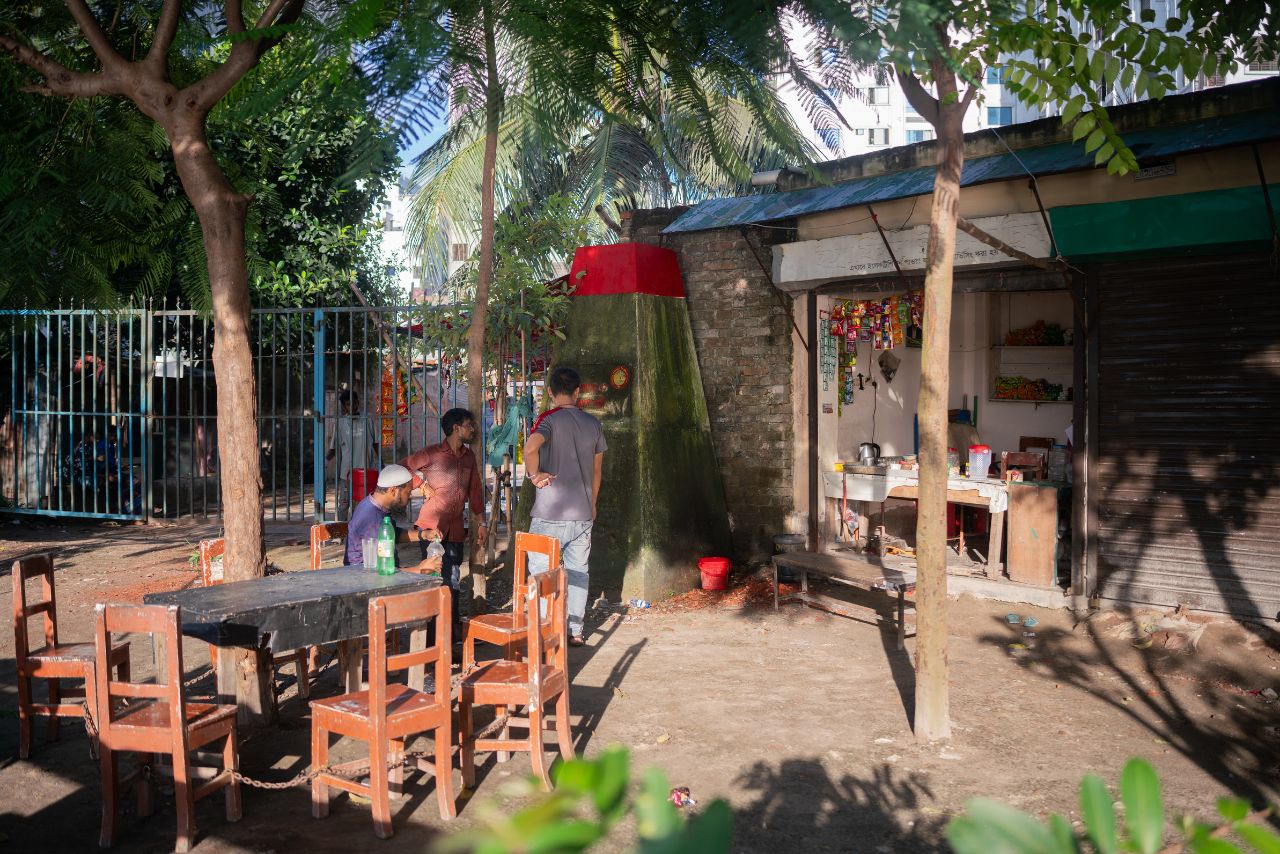
When public land is occupied and used commercially without authorisation, it can also create the perception that such occupation carries little consequence, potentially encouraging others to follow the same path.




Rubel, 35, who runs a small tea stall, said the situation creates an unfair advantage for those occupying government land.
“We rent a shop and earn our living honestly, while those who occupy government land illegally do not have to pay rent or bear the costs that ordinary small businesses face. When this continues unchecked, it encourages others to believe that grabbing public land is an easy way to make money,” he said.
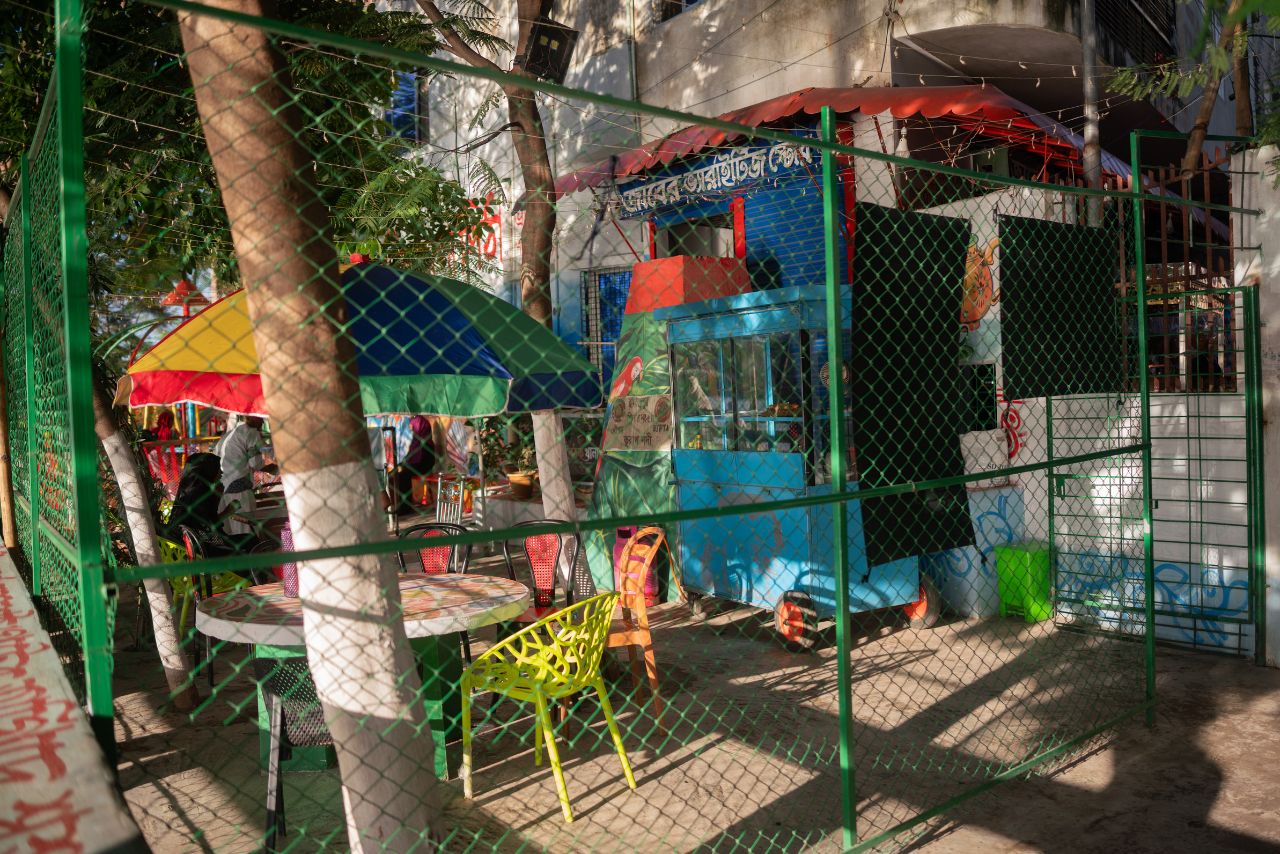
He added, “The riverbank belongs to everyone. If one person can fence off public land and run a business there, others may also feel encouraged to claim their own piece of it.”
The legal consequences can be significant.
Under Bangladesh’s Land Crime Prevention and Remedy Act, 2023, illegal occupation of government-interest land, unlawful entry or construction on such land can constitute an offence.
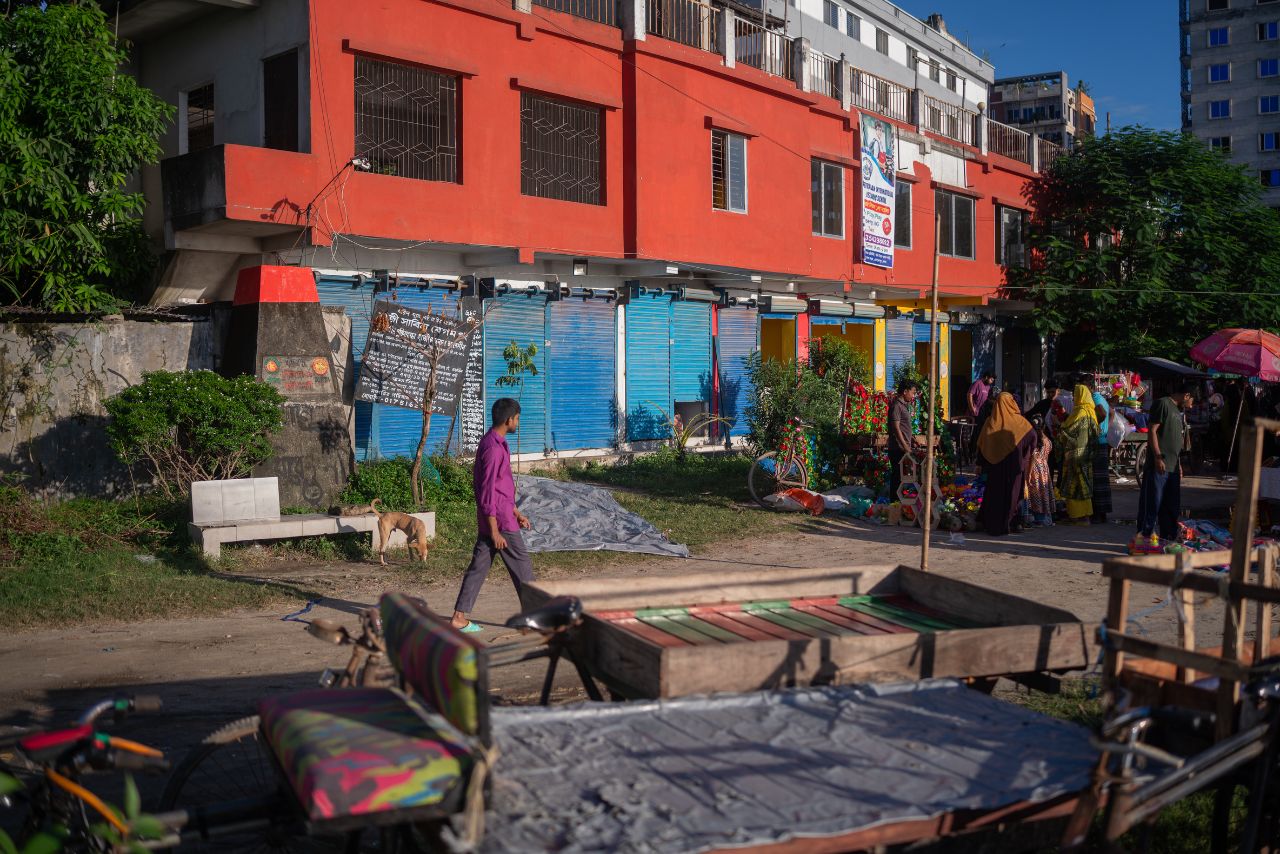
Section 11 provides for up to two years’ imprisonment and a fine.
The law also provides mechanisms for removing illegal occupation and structures.
Section 12 similarly addresses the illegal filling or alteration of government-interest or public-use land, with penalties that can include imprisonment of up to two years and a fine.
Local resident Motiur Rahman, 45, said, “This is not simply about one small park. When government land is occupied and turned into a private business, it creates the impression that public property can be taken over without consequences. The authorities need to act before these temporary structures become permanent.”
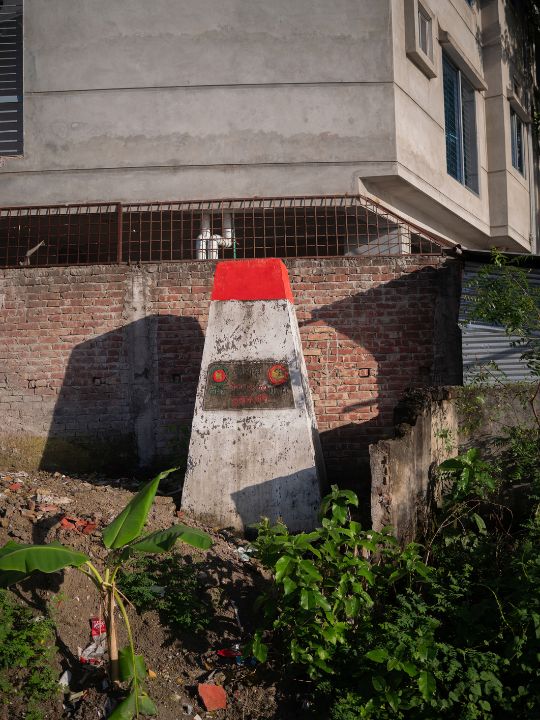
The issue, therefore, extends beyond a Tk40 entrance fee.
It concerns whether public riverbank land can remain genuinely public when individuals gradually fence it off, build on it and turn it into a source of private income.
BIWTA’s boundary pillars may mark where public river land begins, but protecting that boundary ultimately depends on effective and consistent enforcement.