


In the waterlogged wetlands of southwestern Bangladesh, the monsoon season often means losing access to farmland for many farmers.
But in Pirojpur, farmers have learnt to work with the water rather than see it as an obstacle. For generations, they have built floating gardens on the water, locally known as “Dhap.”
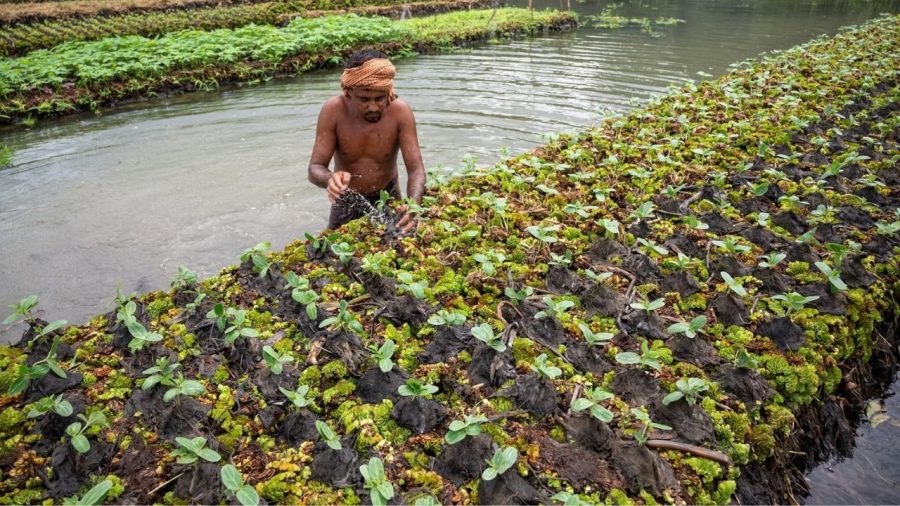
These floating beds are made by layering water hyacinth, aquatic plants, and decomposed organic materials. Vegetables and seedlings are then grown on top.
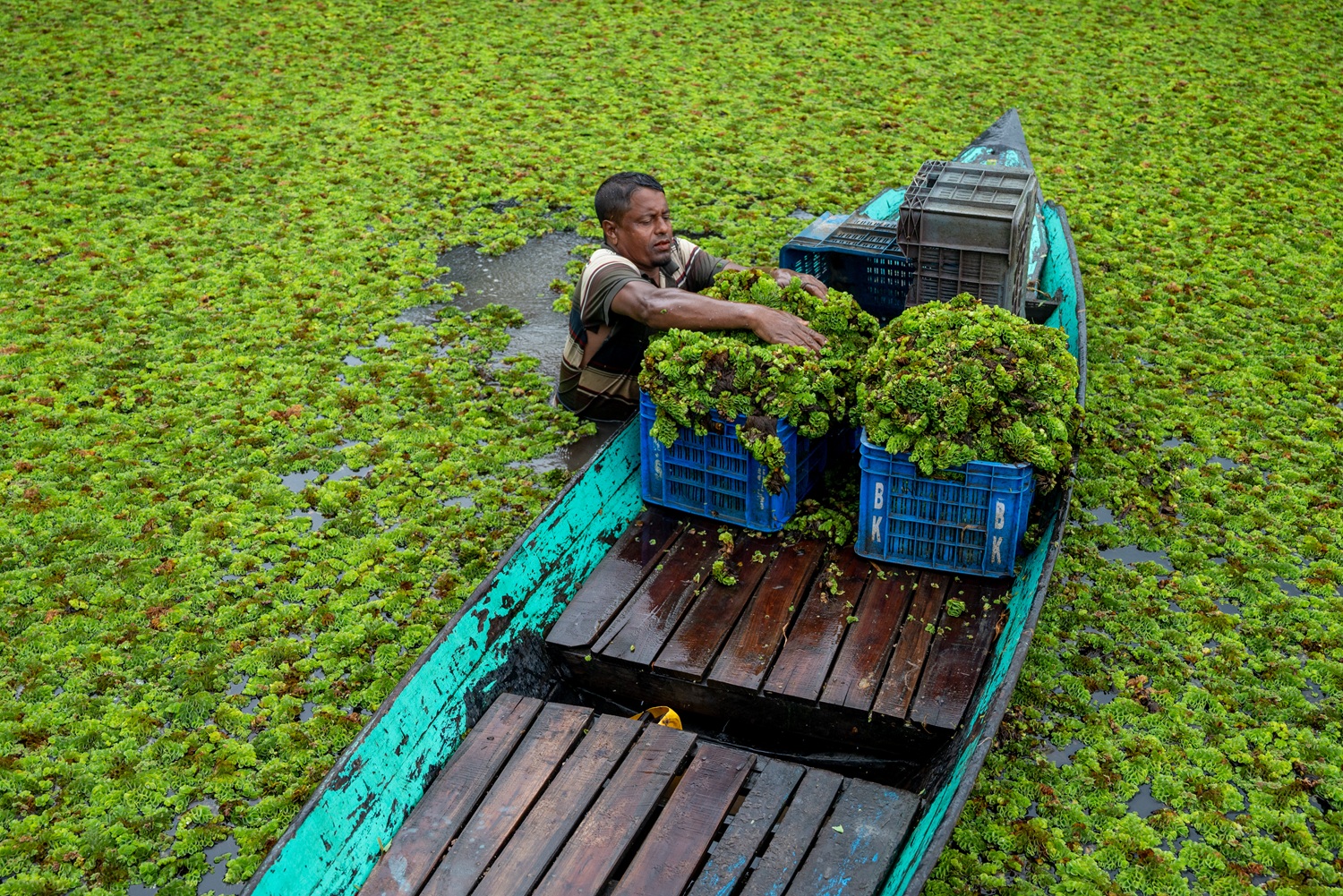
Even when the surrounding land is submerged during the monsoon, the gardens continue to float, allowing farmers to keep cultivating when their fields are no longer usable.

The floating gardens are particularly active from June to October in the wetlands of Pirojpur’s Nazirpur and Nesarabad upazilas.
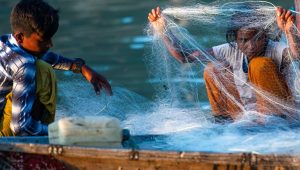
From early morning, farmers travel by boat to their floating plots. Some build new beds, others plant seedlings, while some carry freshly harvested vegetables by boat to local markets.
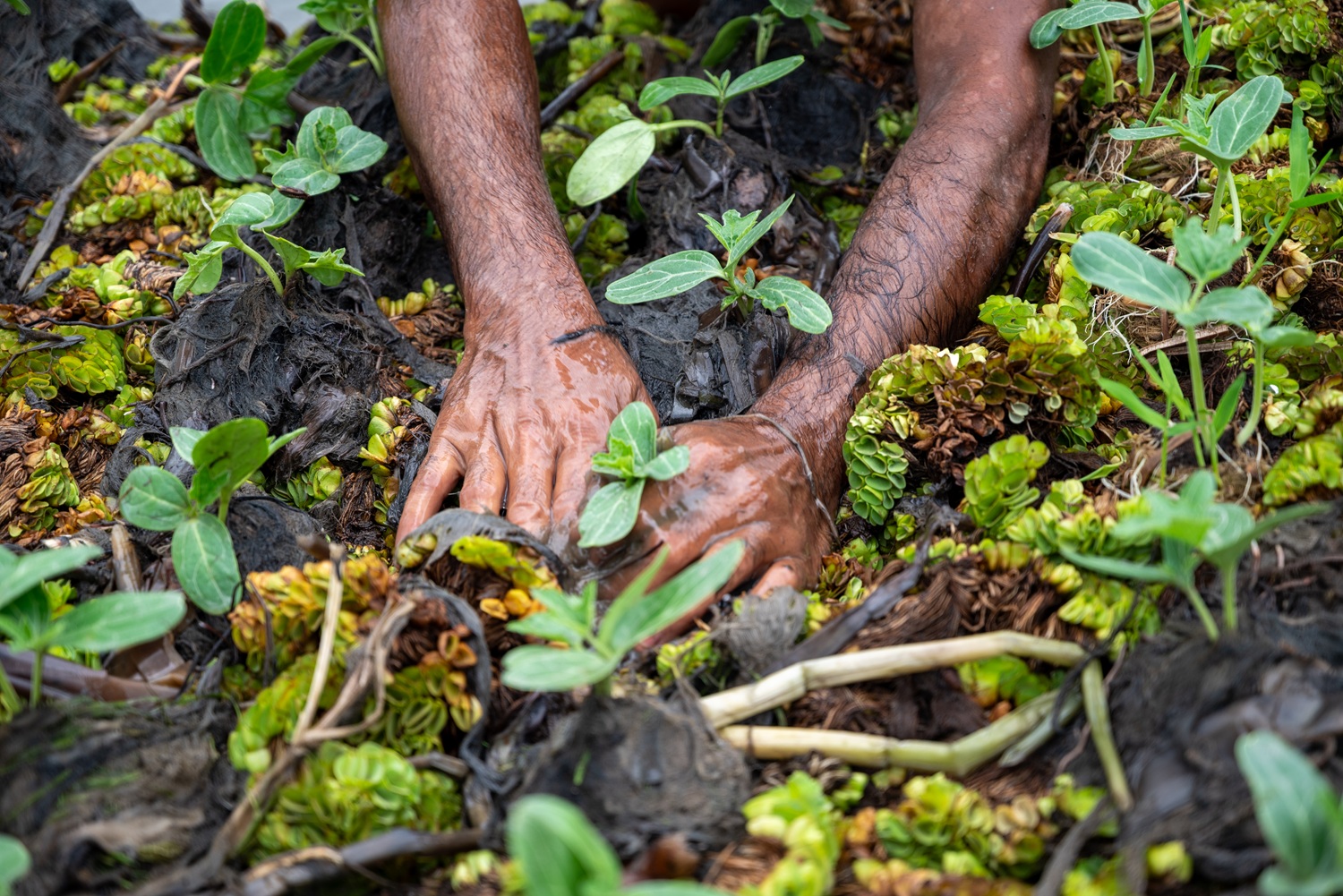
For many families, this is more than an old agricultural tradition; it is an important source of livelihood. Even during prolonged waterlogging and heavy rainfall, floating gardens allow them to continue farming and earn an income.




The water that once seemed like an enemy has become the foundation of their survival.
As climate change brings increasingly unpredictable rainfall, prolonged waterlogging, and rising sea levels, this traditional farming system in Pirojpur is gaining renewed importance.
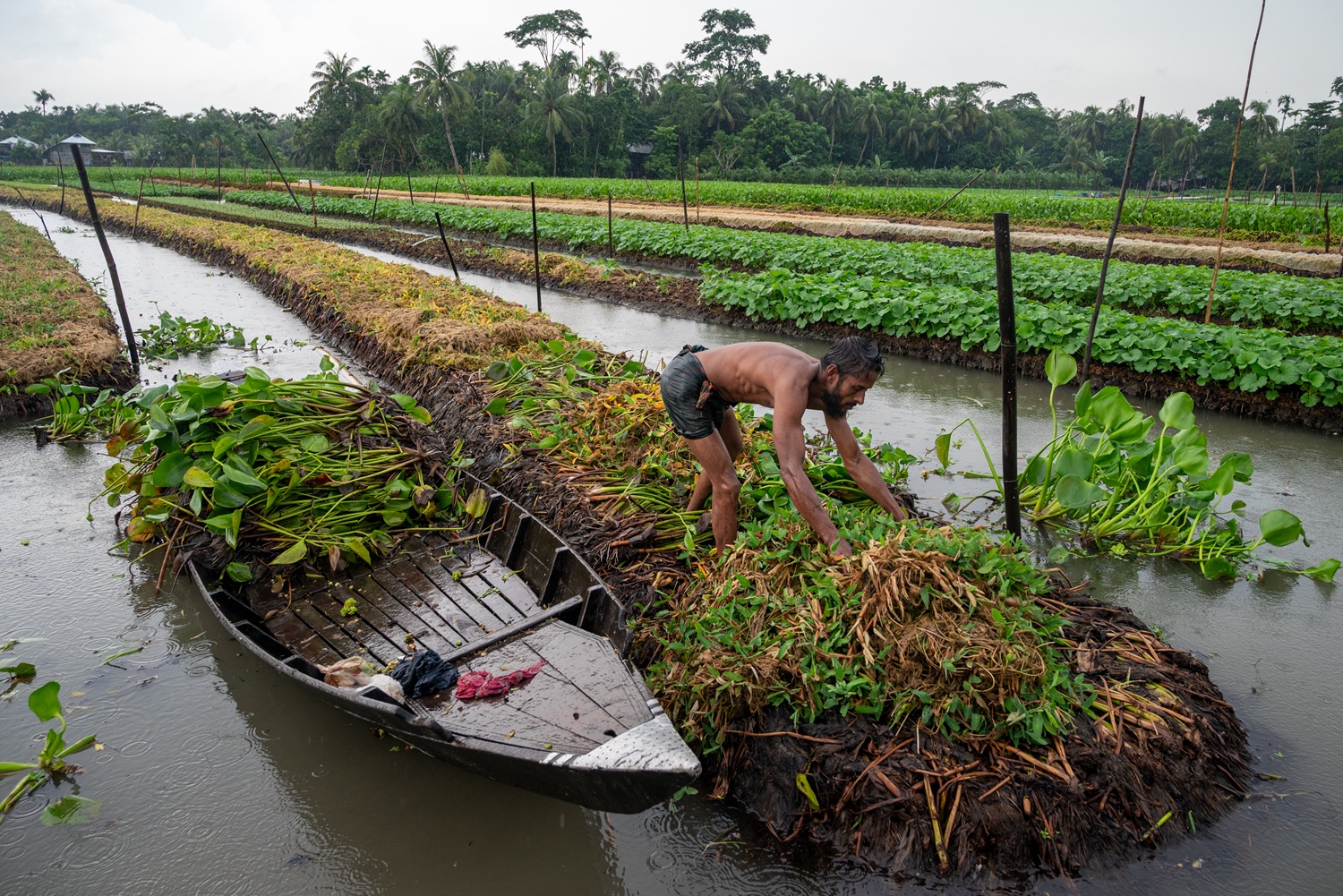
As available farmland becomes more vulnerable to flooding, farmers are creating new spaces for cultivation directly on the water.
What was once a local adaptation to seasonal flooding has become a model of climate resilience.
The floating gardens do not require fertile land or dry ground: only water, organic material, and knowledge passed down through generations. In a country where rising seas and erratic monsoons threaten millions of livelihoods, the Dhap offers a glimpse of how communities can adapt.
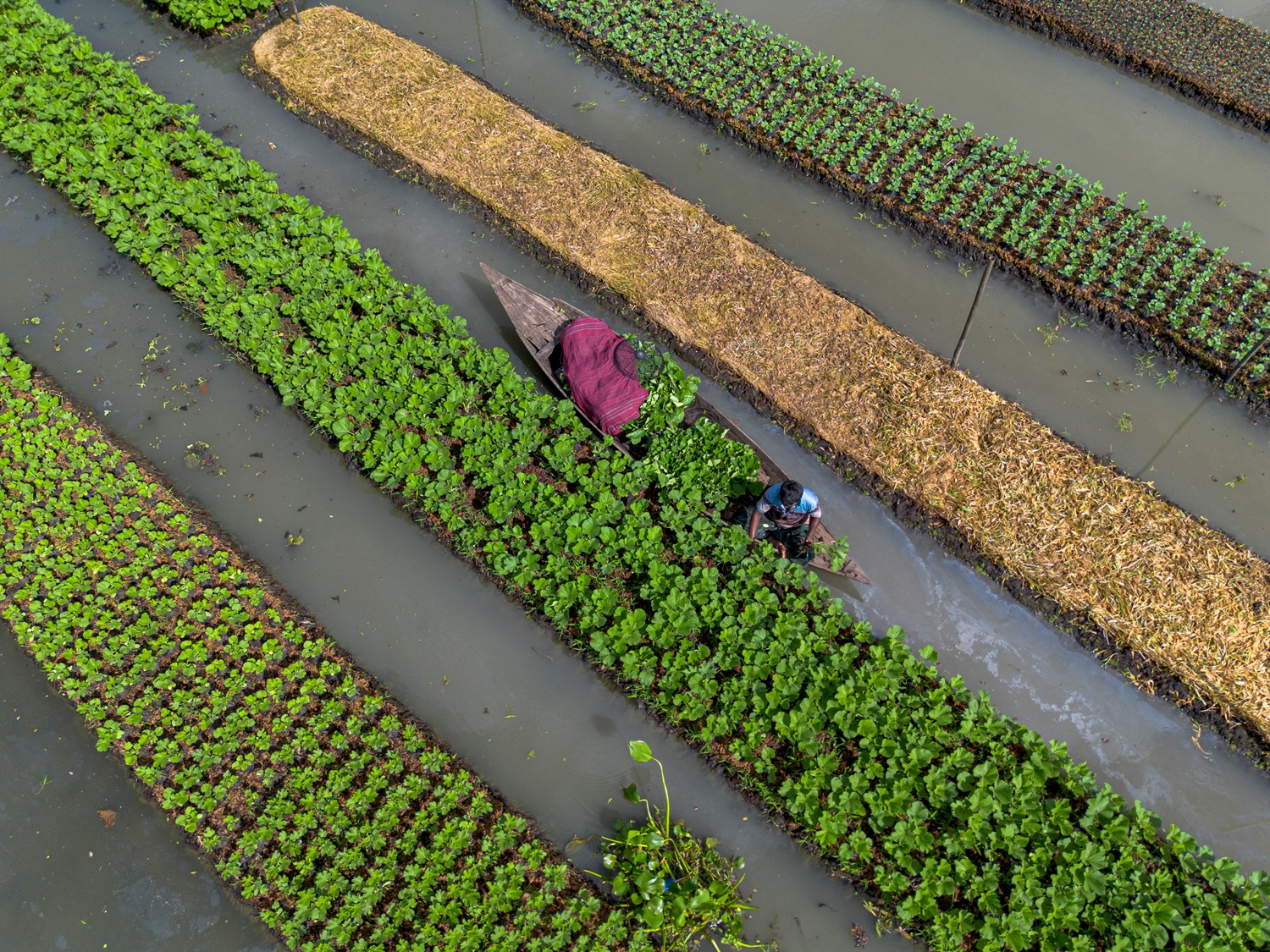
Small wooden boats moving through green waterways, floating gardens beside them, and farmers working day after day tell a simple story: survival does not always mean fighting against nature; sometimes it means learning to live with it.
For the farmers of Pirojpur, the floating gardens are not just a farming technique. They are a way of life: one that has endured for centuries and may prove essential for the centuries to come.
As the waters rise, the gardens rise with them. And as long as they do, the farmers of Pirojpur will continue to plant, harvest, and survive.