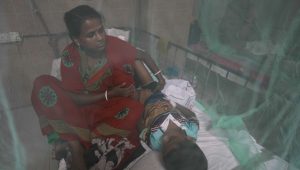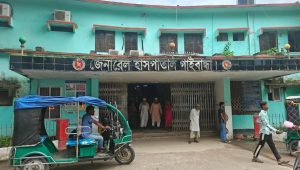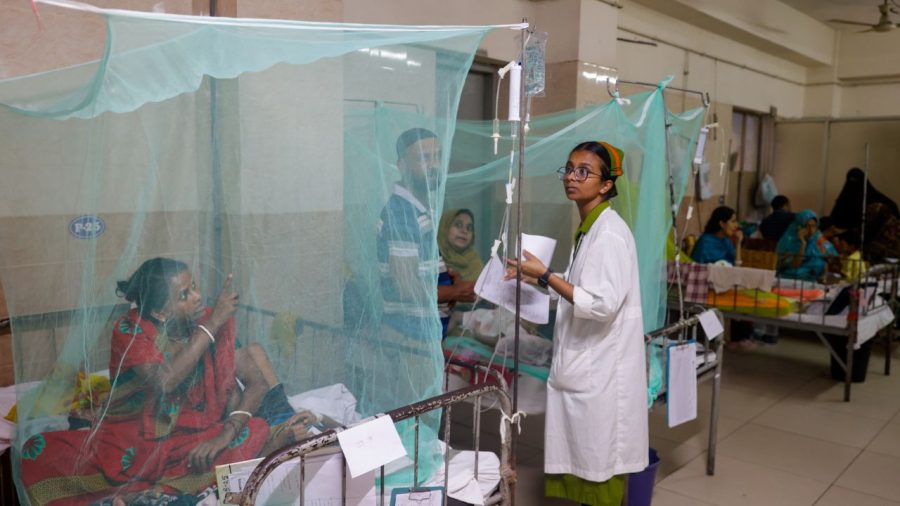



Mehedi Hasan, a security guard at a garment factory in Kaliakair, Gazipur, was diagnosed with dengue after developing a fever. Admitted to Kaliakair Upazila Health Complex, he was transferred to a private hospital after two days without improvement. His platelet count plunged from 230,000 to 24,000 within a day, prompting another transfer to Dhaka Medical College Hospital, where he is now receiving treatment.
Mehedi’s experience reflects a growing challenge for physicians treating dengue patients: the disease can become critical within a short time, leaving doctors with a narrow window for life-saving intervention.
Late hospitalisation, dengue shock syndrome, fluid loss and limited intensive care unit (ICU) capacity are compounding the problem. Doctors also point to misconceptions about warning signs, platelet counts and home remedies, which can delay appropriate treatment or complicate clinical assessment.
According to the Directorate General of Health Services (DGHS), dengue killed 299 people and led to 97,825 hospitalisations nationwide between January and 10 October this year. The toll has raised concerns among physicians as infections and deaths continue before the end of the traditional dengue season.
Bangladesh recorded 1,705 dengue deaths in 2023, the highest annual toll in the country’s history. Fatalities stood at 575 in 2024 and 413 in 2025.

A review by the Institute of Epidemiology, Disease Control and Research (IEDCR) found that more than one-third of 119 patients whose deaths were analysed died within a day of hospital admission, leaving physicians little time to intervene.
The study, conducted under IEDCR Director Professor Kazi Ahmed Zaki, attributed 62.5 per cent of the deaths to dengue shock syndrome, 31.2 per cent to expanded dengue syndrome and 16.1 per cent to haemorrhagic complications. Another 12.5 per cent were attributed to other causes.
Rapid deterioration complicates treatment
Doctors say many patients initially dismiss fever as a routine illness and delay diagnostic tests or hospital visits. Even after a dengue diagnosis, some fail to recognise warning signs that require urgent medical attention. Young adults, particularly those aged 20 to 35, may seek treatment only after their condition has become severe.
Transfers from outside Dhaka to specialised hospitals in the capital can further delay critical care.

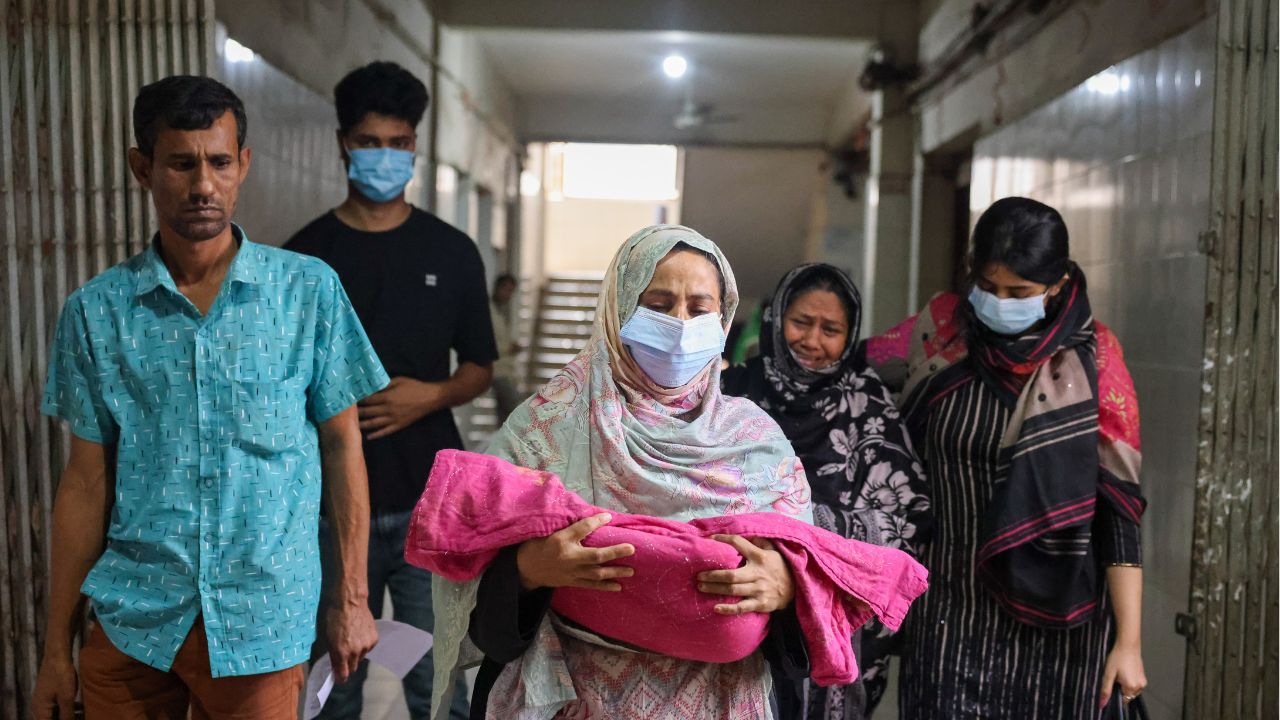

Experts also point to a shift in the dominant dengue virus serotype. While DENV-2 predominated in Bangladesh over the previous four years, DENV-3 has become dominant this year. Sequential infections with different serotypes can increase the risk of severe disease through a process known as antibody-dependent enhancement (ADE).
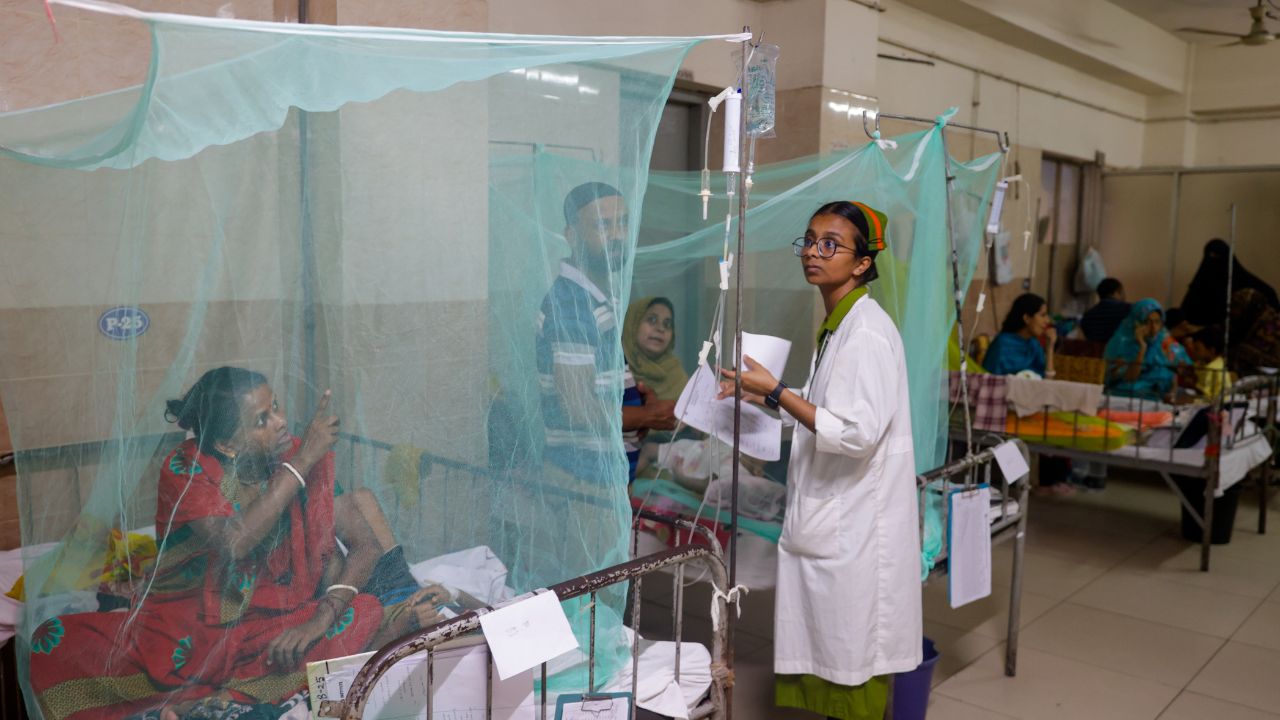
At Sir Salimullah Medical College Mitford Hospital, where 13 dengue deaths have been recorded, physicians said most fatal cases involved shock syndrome.
Dr Meherunnesha Nehana, a physician in the hospital’s dengue ward, told TIMES that plasma leakage in severe dengue causes fluid to escape from blood vessels, reducing circulating blood volume and lowering blood pressure. Without prompt treatment, patients can develop shock, which can be fatal.
Dr Shah Md Galib Alam, who works in the dengue ward at DMCH, said patients this year were experiencing severe diarrhoea and vomiting more frequently than during the 2017-18 seasons.
Fluid loss from these symptoms, combined with plasma leakage, can accelerate deterioration. Diabetes, heart disease and chronic respiratory conditions can further complicate treatment.
Platelet misconceptions, ICU shortage
Misconceptions about platelet counts also complicate patient management, Dr Galib said. A falling platelet count alone does not determine whether a patient needs a blood transfusion. Doctors must consider active bleeding, circulatory signs, overall clinical stability and laboratory findings.
He also cautioned against relying on coconut water, papaya, oranges and other foods as remedies for dengue. Such foods have no established role in curing the disease, while excessive fruit or coconut water consumption can raise blood glucose levels in diabetic patients or cause gastrointestinal discomfort.
Food-related changes can also complicate clinical assessment. For instance, reddish stool after eating dragon fruit may be mistaken for gastrointestinal bleeding, a potentially serious dengue complication.
When patients develop shock or haemorrhagic complications, rapid intervention and close monitoring become essential. However, limited ICU capacity can leave critically ill patients waiting for specialised care.
Mitford Hospital has only 10 ICU beds, all of which remain occupied, according to physicians. They cited a recent case in which a patient’s platelet count fluctuated between 13,000 and 22,000 before falling to 15,000, but the patient could not be transferred to the ICU despite a two-day search and waiting list.
Patients with diabetes, cardiovascular disease, chronic respiratory illnesses, thalassaemia and blood cancers require particularly close observation because dengue can aggravate existing conditions and cause electrolyte imbalances and organ complications.
Doctors say early medical assessment, close monitoring for warning signs and timely referral are essential to reducing the risk of fatal outcomes. However, limited beds, staffing constraints and delays in seeking care continue to make the management of severe dengue a major challenge.