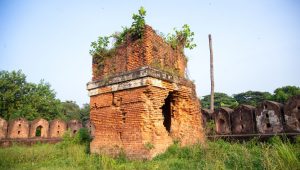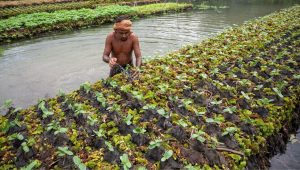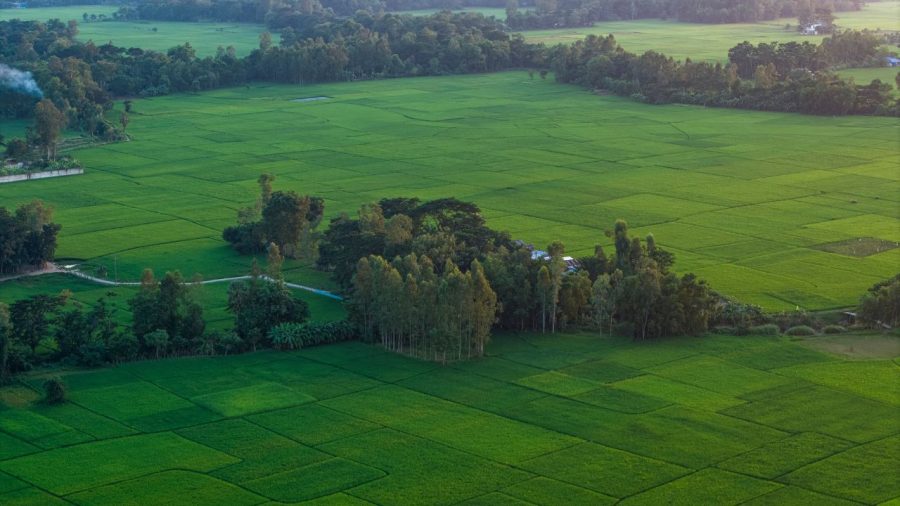



The Sitakunda and Mirsharai upazilas, located along both sides of the Dhaka-Chattogram highway, are a region rich in natural beauty.
At one time, large numbers of eucalyptus trees were planted at the foothills of the hills, beside the railway lines and the highway, in the hope of rapid greening or profitable timber.
But in the long term, this fast-growing foreign tree has brought severely negative effects on the environment, nature, and local people of this region.
How harmful the eucalyptus tree is to the environment is now proven by environmentalists’ research.
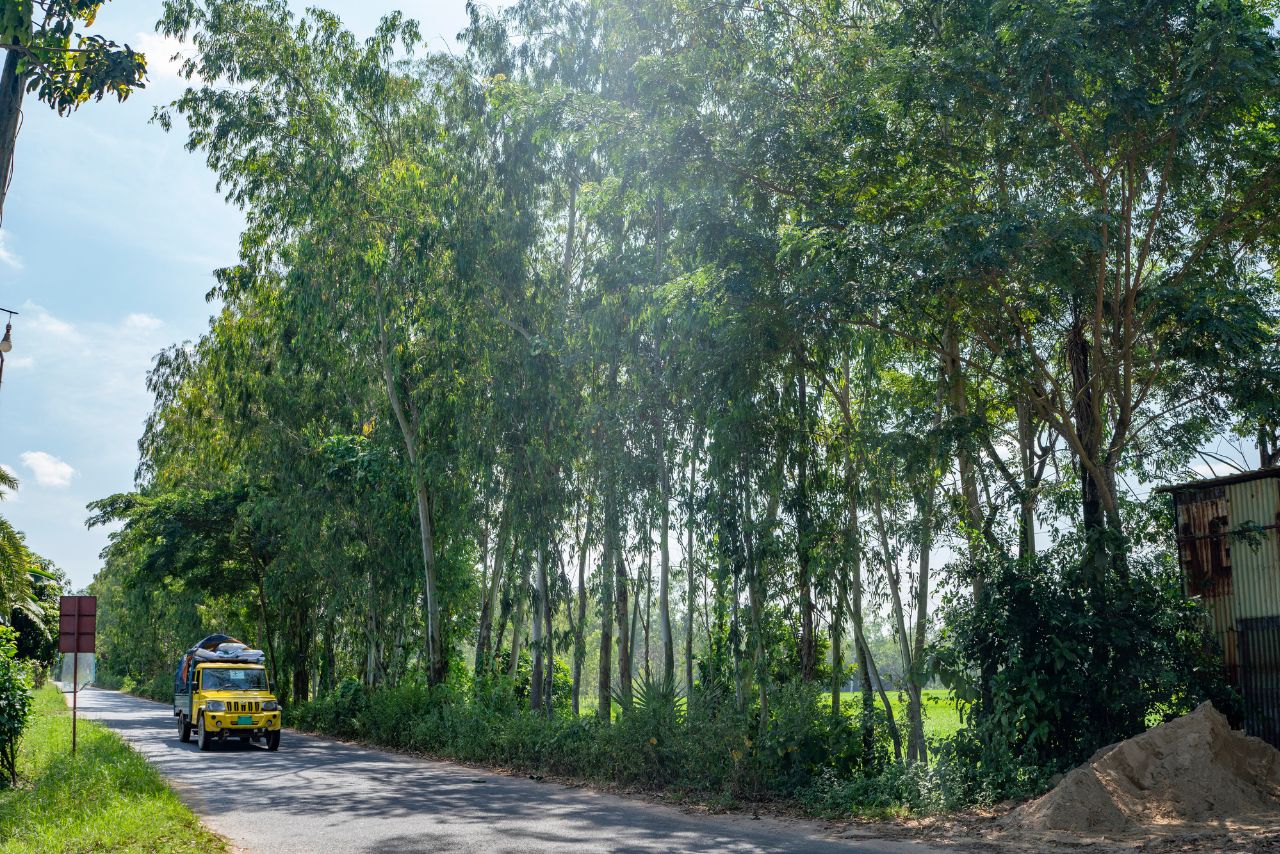
In this region of mixed hills and plains, eucalyptus, as an extremely thirsty plant, absorbs huge amounts of water from the soil, causing the groundwater level to drop rapidly and creating an acute crisis of drinking water.

At the same time, because of the strong smell of its leaves, birds and bees do not build nests, and since no grass grows beneath it, biodiversity and the food chain are being destroyed.
Moreover, because the roots of this tree cannot hold the soil firmly on hill slopes, the risk of landslides during heavy rain has increased manifold.
Alongside the environment, those local farmers and landowners who thought eucalyptus cultivation was easy and profitable are suffering major economic losses in the long term.



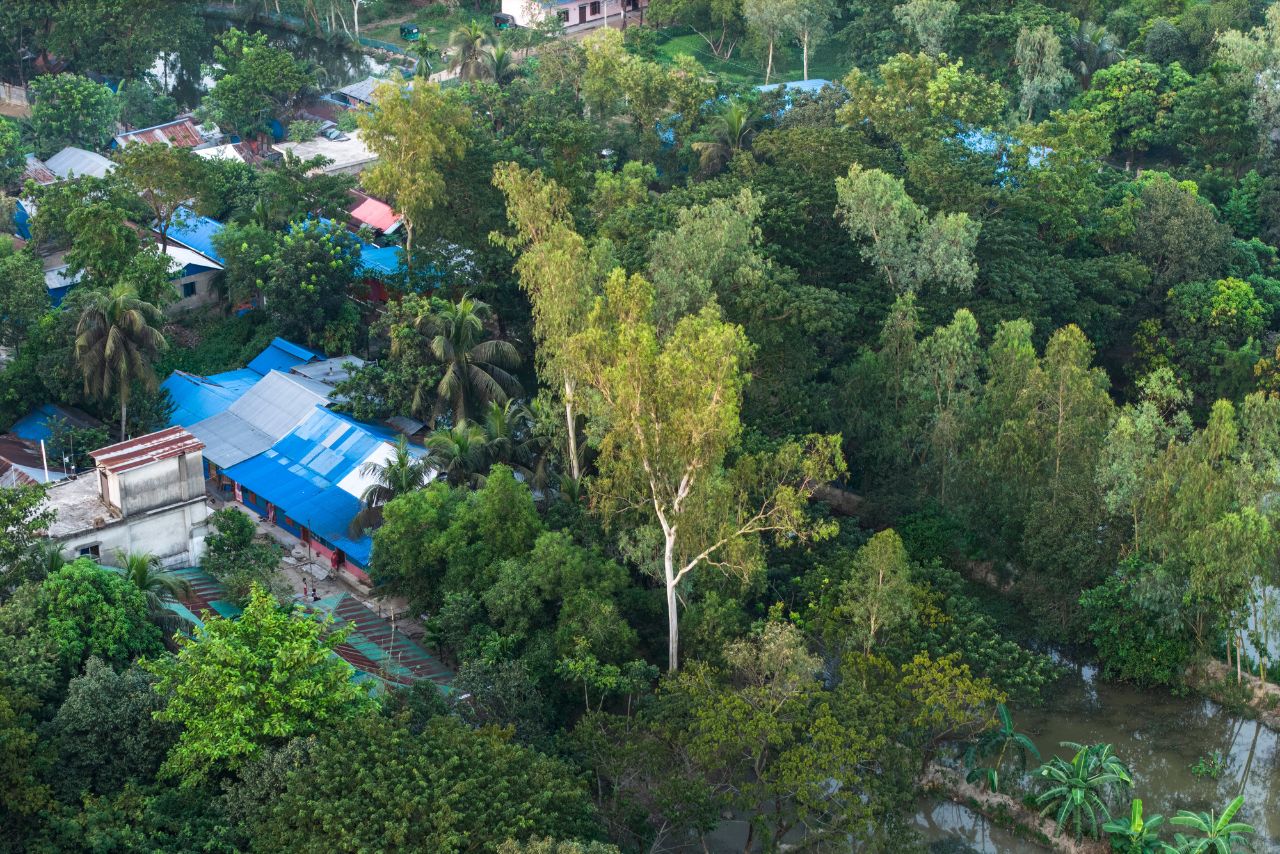
The roots of this tree spread far and wide, absorbing moisture and nutrients from surrounding land, so the desired yields of paddy and vegetables are not being obtained.
Moreover, since eucalyptus wood is soft and brittle, it is not suitable for making furniture or houses, and its demand and price in the market are much lower compared to domestic woods like mahogany or rain tree.
What was once seen as a quick solution has become a slow disaster.
The tree that promised rapid greening has instead drained the land, impoverished the soil, and left farmers with little to show for their investment.
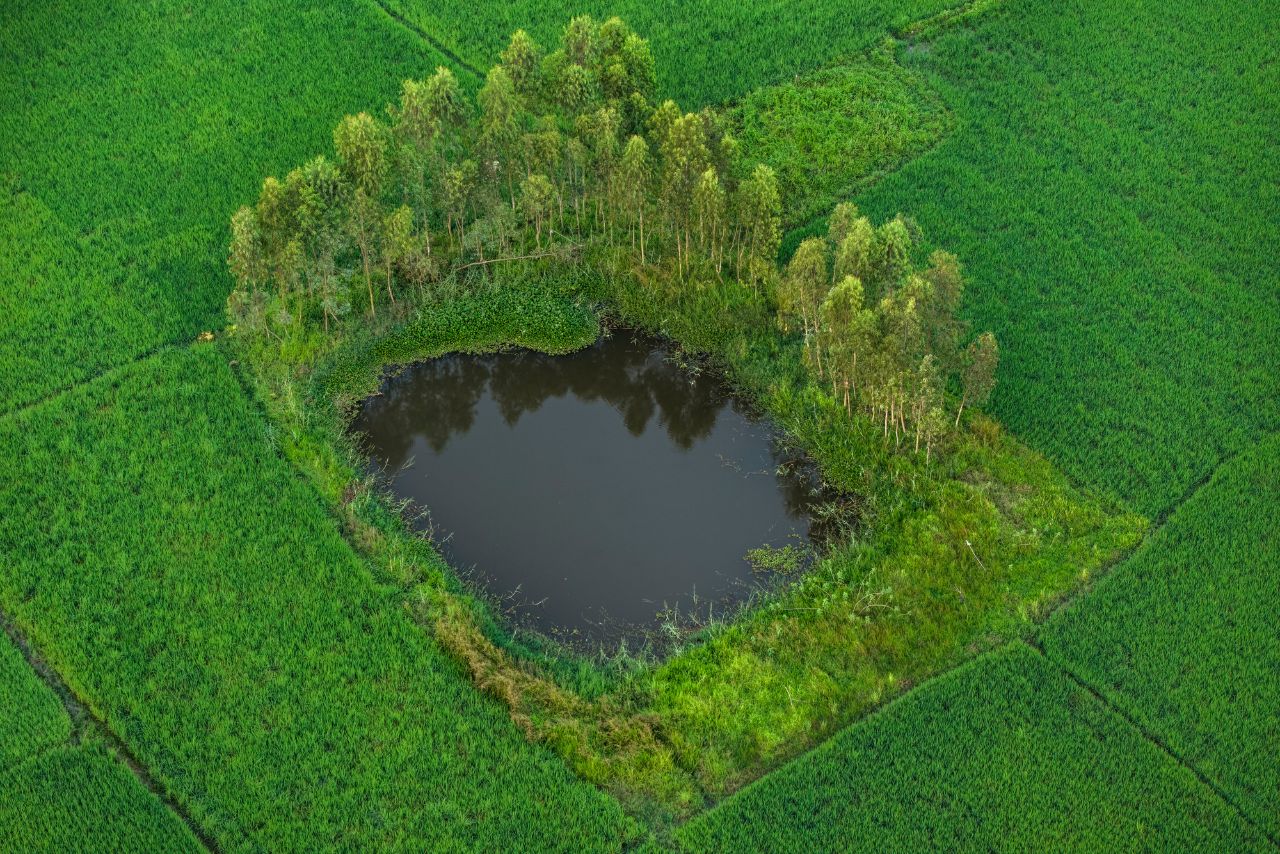
To protect against this crisis, effective measures are urgently needed to save the environment and agriculture of the Sitakunda and Mirsharai region.
The eucalyptus trees beside the highway and on the aisles of farmland need to be cut down in phases and replaced with domestic species like mango, blackberry, jackfruit, arjun, mahogany, or kadam, which will restore soil moisture and biodiversity.
Alongside, awareness campaigns must be carried out at the initiative of the local administration and the agriculture department.
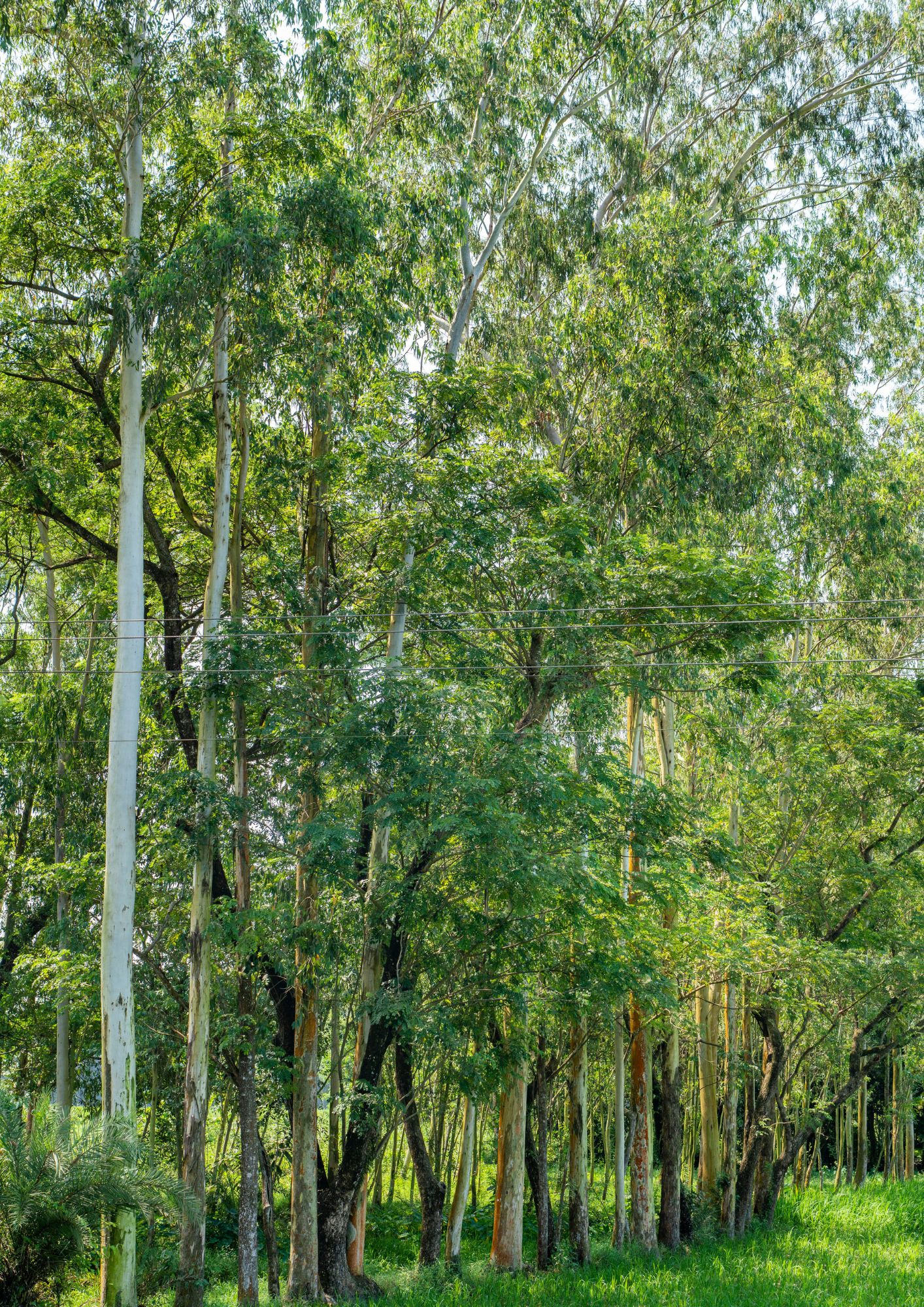
Expanding eucalyptus cultivation in the greed for temporary profit was a self-destructive decision.
Preventing the encroachment of this tree and building domestic forestry to ensure natural balance and the protection of farmers is now the demand of the times.
For a region blessed with hills, plains, and rich biodiversity, the choice is clear: continue down a path of short-term gain and long-term loss, or restore the native trees that once held the soil, sustained the water, and supported the farmers.
The eucalyptus may have been planted in the hope of a greener future. But the future it has created is one of thirst, erosion, and regret.