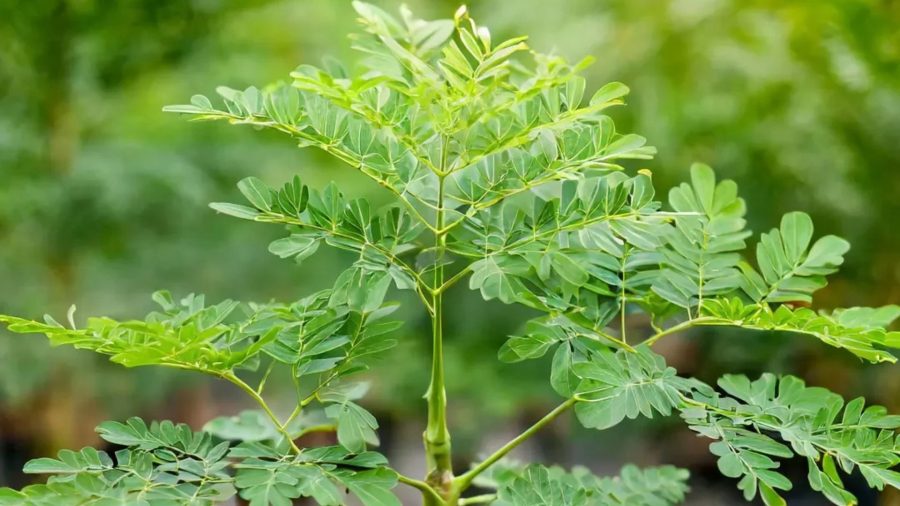



For centuries, the moringa plant hid in plain sight across Bangladesh. A gnarled, unassuming tree lines rural courtyards, gardens, and dusty roadsides, its delicate green leaves routinely shaken down for a casual dinner. Locally known as Sojne, it is often treated as nothing more than a humble, everyday staple, though globally it is increasingly recognised as a “miracle tree” for its widespread use in holistic wellness and natural health practices.
The history of moringa spans over 4,000 years, beginning in its native home within the sub-Himalayan foothills of northern India. It first appears in ancient Sanskrit texts as “shigru,” becoming a foundational element of Ayurvedic medicine. The plant’s reputation for providing energy and resilience grew so profound that Mauryan Empire soldiers consumed moringa extracts on the war fronts to sustain their strength and soothe their injuries.
Thanks to its exceptional drought resistance, the tree flourished across the Indian subcontinent, seamlessly integrating into the ecology and diets of the Bengal region (modern-day Bangladesh and West Bengal). Over centuries, it became deeply localised, evolving from an ancient medicine into a beloved, everyday staple.

It functions as a highly concentrated natural pharmacy, offering an exceptional nutritional profile where every component provides health benefits. Gram for gram, its leaves outpace standard dietary staples, delivering more Vitamin C than oranges, more Calcium than milk, and more Potassium than bananas, alongside all nine essential amino acids as a complete plant protein. Packed with vitamins, minerals, and over 46 antioxidants, it actively aids natural healing by stabilising blood sugar, lowering harmful LDL cholesterol, reducing chronic inflammation, and accelerating liver detoxification.




This resilient, drought-resistant plant delivers diverse health solutions through its distinct structural parts. While the nutrient-rich leaves serve as a potent dietary supplement, the fibrous pods (Sojne data) optimise digestive health, the therapeutic flowers ward off seasonal illnesses, and the crushed seeds act as a natural water purifier. Growing rapidly even in depleted soils, moringa seamlessly bridges daily nutritional gaps. By combining deep cellular repair with accessible, everyday nourishment, this botanical remains an indispensable cornerstone of holistic health.
While highly beneficial, moderation is crucial to prevent side effects like stomach cramps and diarrhoea. Daily intake should not exceed 70 grams of fresh leaves or 1 to 2 teaspoons (3 to 6 grams) of dried leaf powder. Crucially, while the leaves, pods, and flowers are perfectly safe, the roots and bark must be avoided as they contain spirochin, a toxic alkaloid that can cause paralysis. Furthermore, because moringa actively reduces blood sugar and blood pressure, pregnant women and individuals on diabetes or hypertension medications must consult a doctor before use.
Ultimately, this unassuming roadside plant bridges ancient wellness with contemporary medical caution. By balancing mindful consumption with traditional preparation, moringa ceases to be just a humble staple. Instead, it becomes a sustainable, protective, and lifelong guardian of natural health across Bangladesh and beyond.