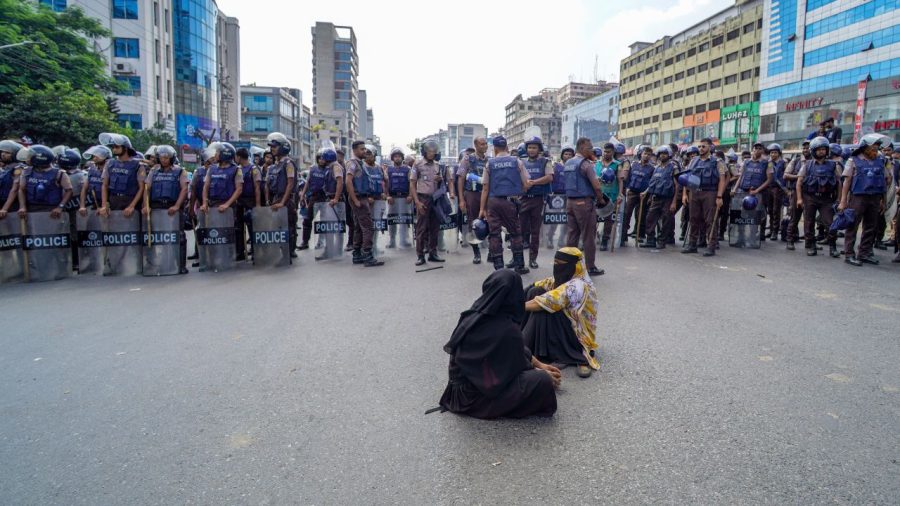



Under a relentless morning sun, the vital highway connecting the capital to the country’s northern districts ground to a standstill.
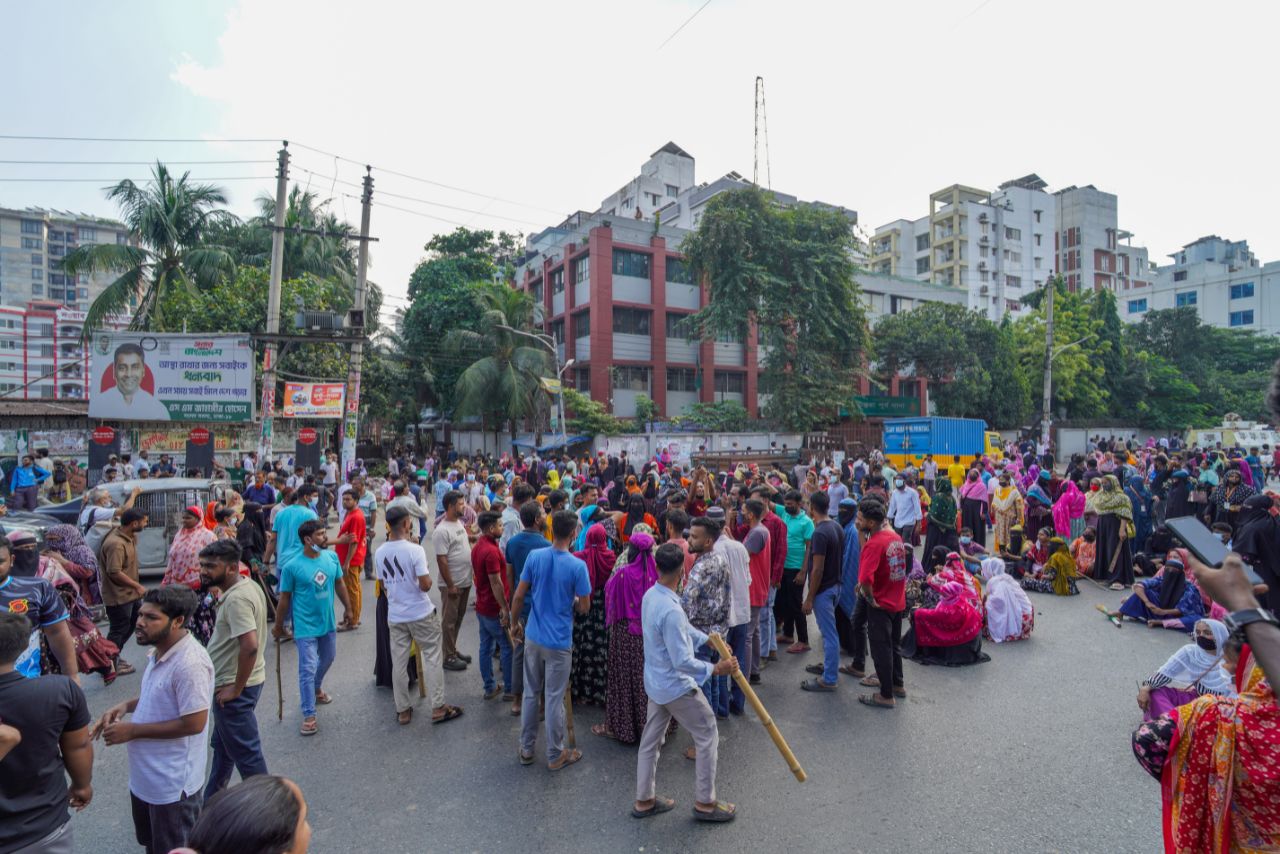
Across the Dhaka–Mymensingh highway at Uttara’s Azampur and Rajlokkhi intersections, hundreds of ready-made garment workers stood shoulder-to-shoulder, turning a primary commuter artery into an epicentre of agitation.
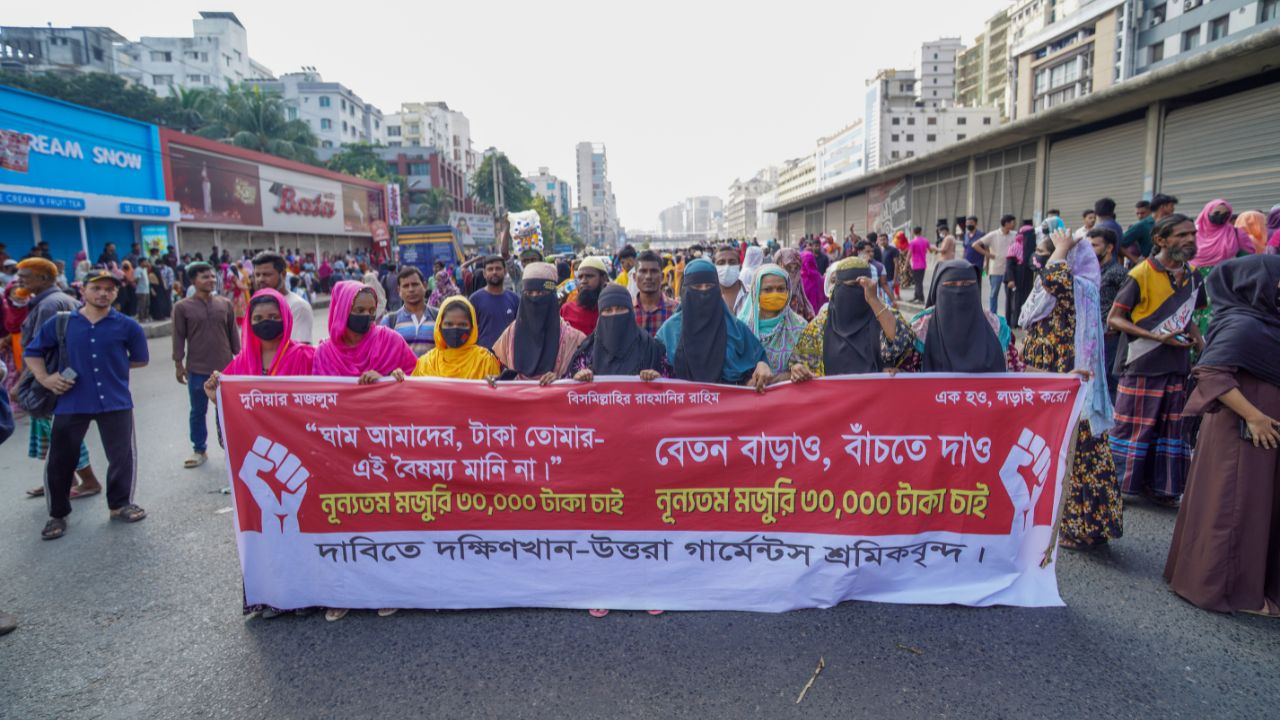
For the third consecutive day, factory floors emptied as workers marched to demand a minimum monthly wage of Tk30,000, the clearance of outstanding salary arrears, and an end to arbitrary layoffs.

“The rising prices of essential goods have made it impossible to make ends meet on our current earnings,” explained a protesting worker who noted that repeated appeals had yielded no redress, leaving them no choice but the streets.
With the legal entry wage pegged at Tk12,500 to Tk15,000 since 2023, soaring living expenses have pushed households to the brink.




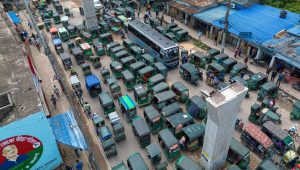
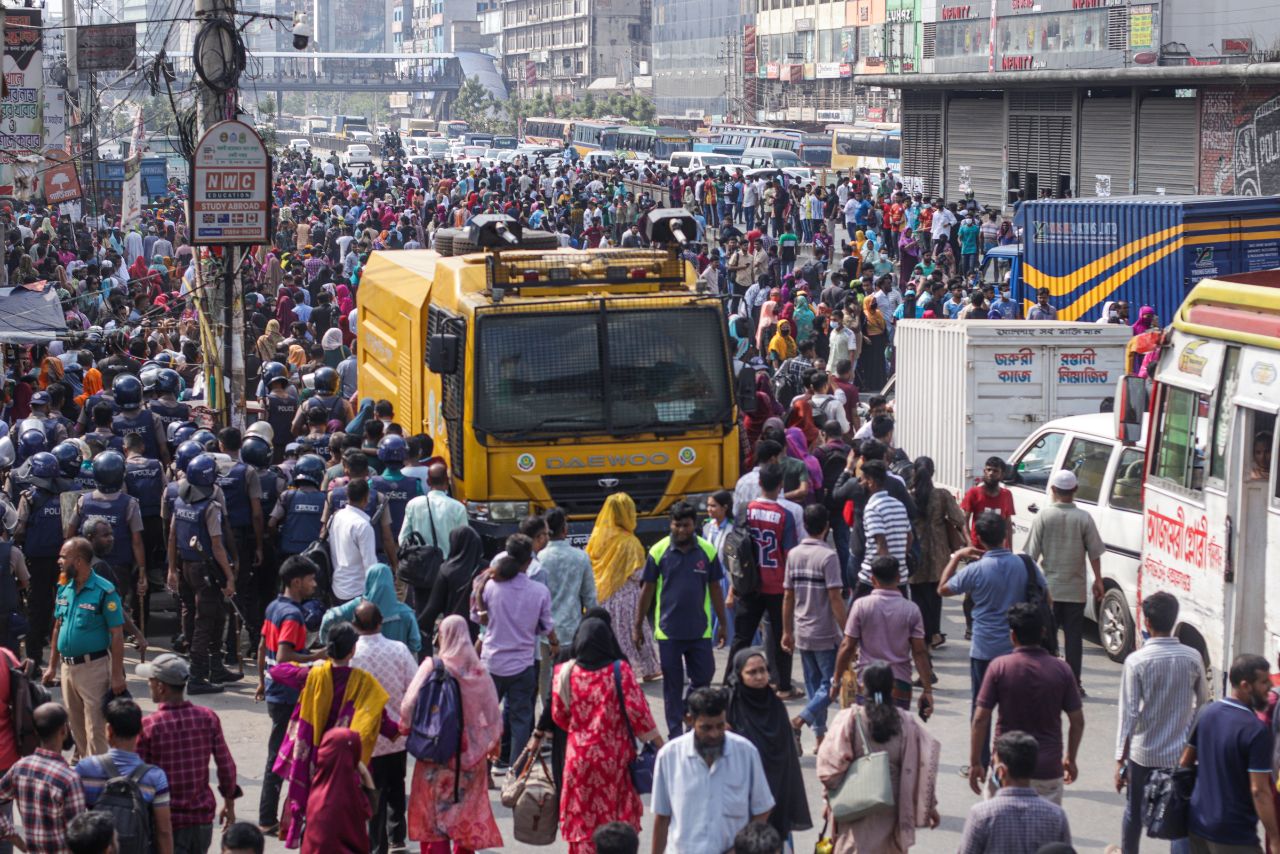
The blockade halted northern Dhaka’s traffic. Vehicles were stranded for kilometres stretching toward Airport Road, forcing thousands of office-goers and commuters to trudge on foot under rising heat.
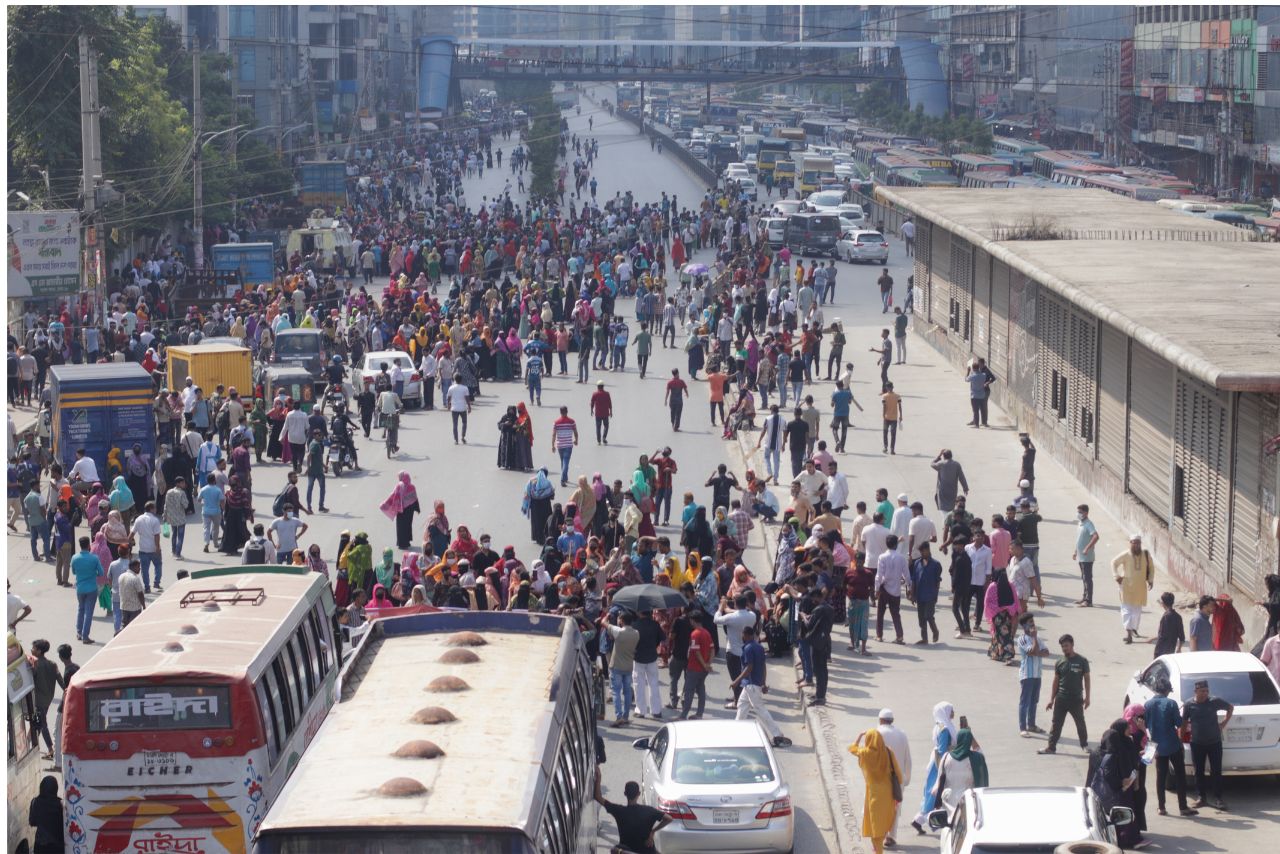
The impasse broke around midday. As demonstrators refused appeals to disperse, law enforcement personnel resorted to a mild baton charge and sound grenades, scattering workers into surrounding alleys amid scattered brickbats.
Traffic slowly limped back to normal by 12:15pm, but the air remained thick with unresolved grievance.
Though the Labour Ministry swiftly moved to seek nominations for a new minimum wage board, the confrontation reflects a broader systemic squeeze.
Pressured by double-digit living expenses, domestic power shortages, and unyielding purchase pricing from global brands, the workforce behind Bangladesh’s multi-billion-dollar apparel lifeline is signalling that its patience has worn thin.