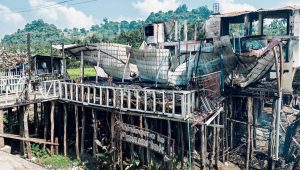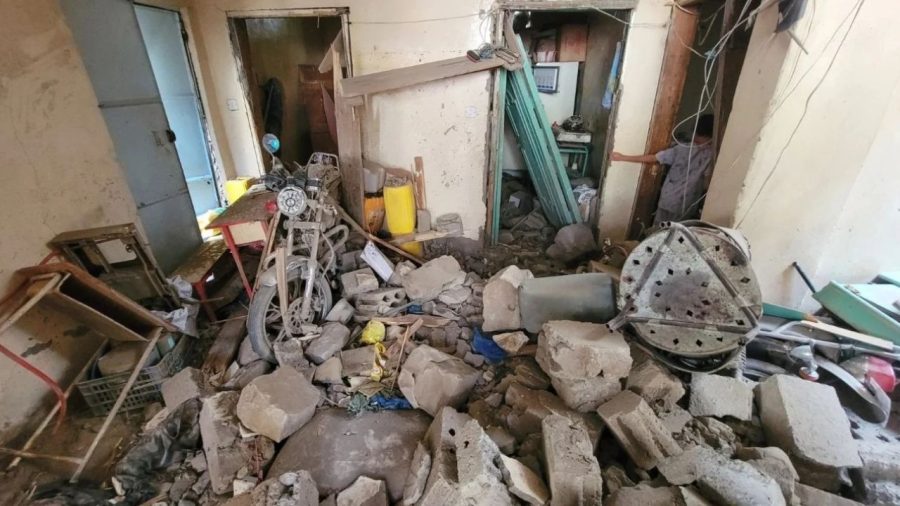



Under a blistering desert sky in Lahj governorate, Maher, a former fisherman from Mokha, sits outside a makeshift canvas tent with his family.
Forced to flee on foot for a day and a half as artillery shells battered Yemen’s western coastline, he is one of more than 2,30,000 civilians uprooted since mid-September 2026 by a violent resurgence in fighting between Houthi rebels and Saudi-backed Yemeni government forces.
This latest flare-up erupted when Houthi militants launched a rapid coastal offensive, seizing the strategic port of Mokha and heights overlooking the Bab al-Mandab Strait.

The loss severed vital supply lines and threatened global shipping passing between the Red Sea and the Gulf of Aden.

In response, Presidential Leadership Council chairman Rashad al-Alimi launched “Operation Dawn of Yemen,” backed by nearly 100 Saudi fighter jets and renewed financial support from the UAE, in a bid to reclaim lost ground and relieve the siege on Taizz.
However, the pro-government coalition remains hamstrung by divided command structures among the National Resistance, Giants Brigades, and local Salafi units.




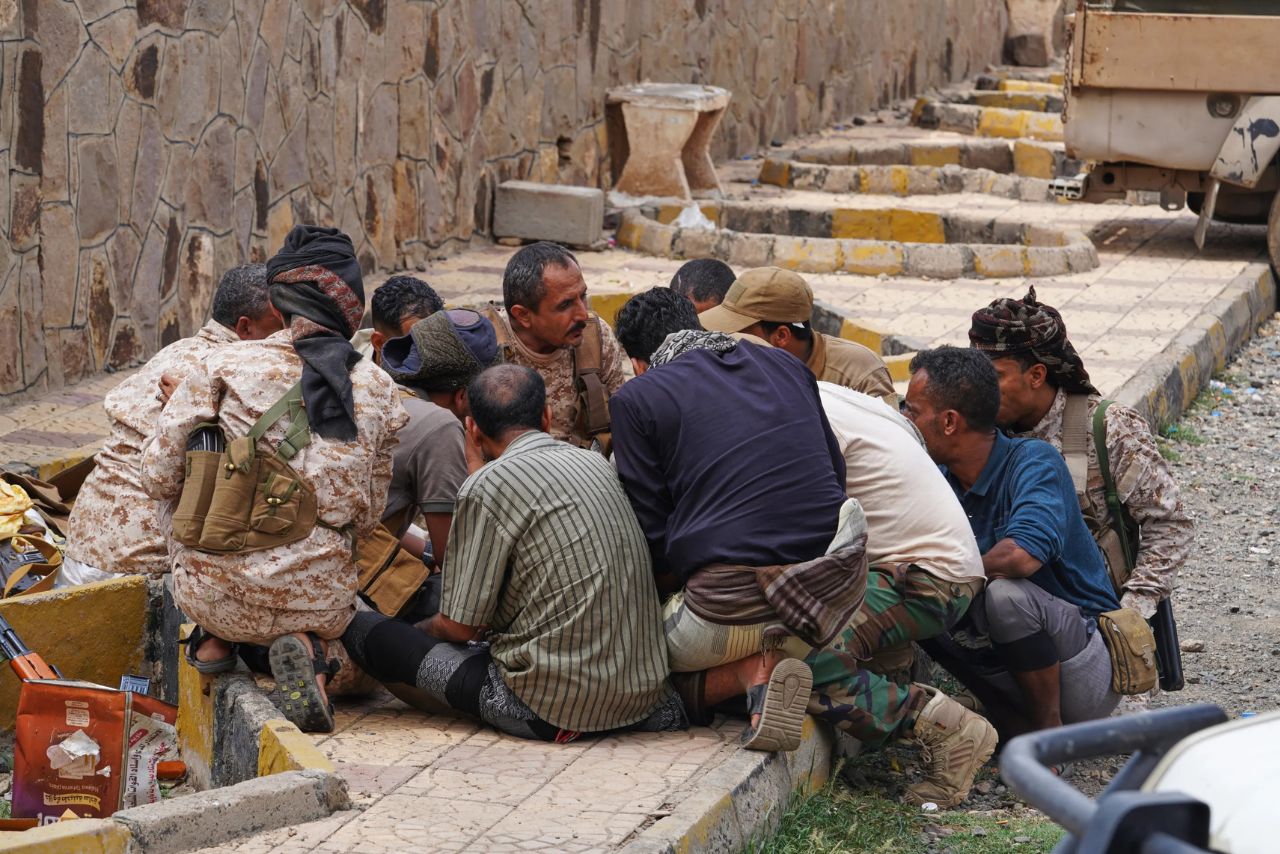
Beyond Yemen’s borders, the conflict has metastasised into a wider regional confrontation.
Emboldened Houthis have launched barrage after barrage of ballistic missiles and drones into Saudi Arabia, targeting oil infrastructure and international airports in Riyadh, Abha, and Dammam.
A 10 October missile strike on King Khalid International Airport in Riyadh left 13 people dead – including two Bangladeshi expatriates – and over 300 injured.
The escalating barrage prompted the US State Department to order a partial diplomatic evacuation from Saudi Arabia.

While political leaders trade strikes, the humanitarian toll on ordinary civilians grows increasingly catastrophic.
Over 18 million Yemenis face acute food insecurity, while surging cholera outbreaks and severe international funding shortages threaten millions of lives.
For families huddled in informal displacement camps without clean drinking water, the conflict is not a distant geopolitical chess match, but an unyielding daily struggle for survival.