The sight of thousands of migratory birds gliding across the lakes of Jahangirnagar University, their calls echoing through the surrounding greenery, has long been a defining feature of the campus’s identity.
However, that familiar winter spectacle is rapidly fading as pollution and habitat destruction threaten the wetlands that once sheltered them.
A joint survey by researcher Auritro Sattar and the university’s Department of Zoology revealed that migratory bird numbers plummeted from around 3,500 in 2019 to 2,000 in 2022, before dropping below 1,500 three years later.
The sharp decline has raised serious concerns among academics, students, and conservationists, as untreated sewage, accumulated silt, organic waste, commercial fish farming, and ongoing construction put increasing pressure on the university’s lakes.
The environmental threats extend beyond migratory birds, impacting native fish, turtles, snails, mussels, and other aquatic species that rely on the wetlands.
Teachers and students reported that several lakes now feature foul-smelling water, thick layers of sediment, and rotting organic matter.
Wastewater from residential halls flows directly into the lakes, where decomposing waste severely depletes dissolved oxygen levels. Severe oxygen depletion makes survival precarious for aquatic organisms, whilst anaerobic decomposition releases pungent, foul-smelling gases.


Soil and sediment washed into the lakes from construction sites during heavy rainfall are steadily reducing water depth, further shrinking critical habitats for fish and aquatic fauna. Furthermore, excess nutrients trigger abnormal blooms of algae and aquatic plants; when these decay, oxygen levels fall even further, disrupting the natural ecological balance.
Commercial fish farming heightens pressure
Auritro Sattar, a student and researcher, questioned the policy of leasing ecologically vital lakes for commercial fish farming.
According to his observations, commercial operations at Monpura Lake, including frequent boat movements and the application of feed and chemical additives to boost yield, have disrupted the natural movement and breeding patterns of avian species.
He expressed particular concern for habitats utilised by waterbirds such as little grebes and lesser whistling ducks.

Allegations have also surfaced regarding the illegal use of banned Chinese duari fishing nets in the wetlands. These fine-mesh nets indiscriminately trap fish and aquatic life of all sizes, posing an acute threat to local biodiversity.
Moreover, commercial fish farming undermines breeding and survival conditions for native species, including punti and gazar fish, as well as freshwater eels.

Threats to native wildlife and flora
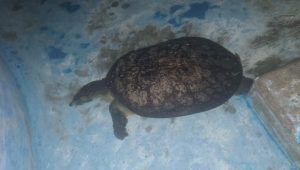
Concerns also extend to the introduction of non-native turtles alongside indigenous species. Indian roofed turtles and Indian flapshell turtles have been recorded on campus, alongside the invasive red-eared slider.
Conservationists fear that established populations of non-native turtles will outcompete indigenous species for limited food and habitat resources.
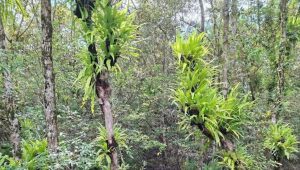
Meanwhile, the clearing of trees and bamboo groves beside the artificial lake behind the new Arts Building has sparked alarm over potential habitat loss for larger species, including fishing owls and large civets.
Signs of recovery offer hope
Despite the deteriorating conditions, recent targeted restoration efforts have yielded encouraging results.
Sattar noted that an initiative was undertaken to clear excessive waste from the lakes and improve water quality through aeration, which accelerates the breakdown of organic matter.
Following habitat restoration plans launched last year, focusing on cultivating water lilies and floating aquatic vegetation, birds were again spotted at Transport Lake this October.
However, conservationists warn that migratory birds will permanently shift to alternative habitats if optimal ecological conditions cannot be sustained.

The sharp drop in bird numbers has amplified demands for a comprehensive, long-term conservation strategy to safeguard the university’s wetlands.
Experts demand formal protection for lakes
Professor Md Mostafizur Rahman of Jahangirnagar University’s Department of Environmental Sciences emphasised the urgent need to stop raw sewage discharge from residential halls, control invasive water hyacinth growth, and dredge silted-up lakes.
He called for ecologically significant waterbodies to be strictly exempted from commercial leasing.
These include the old Transport Lake, the lake behind Bishmile, areas behind the gymnasium and botanical garden, and the large pond beside Chourangi.
He recommended forming an independent nature conservation department composed of academics, students, and environmental experts, free from political interference.
JU Treasurer Md Sohel Rana said that the university is preparing a proposal for the ministry seeking special funding for lakebank stabilisation, dredging, and designated visitor walkways. He added that while certain general-purpose ponds had been leased out, the university intends to retain full control over key lakes crucial to migratory birds and preserve them as protected sanctuaries.
These proposed conservation measures arrive as migratory bird counts remain at less than half of 2019 levels, leaving the future of one of Jahangirnagar University’s most cherished natural spectacles hanging in the balance.