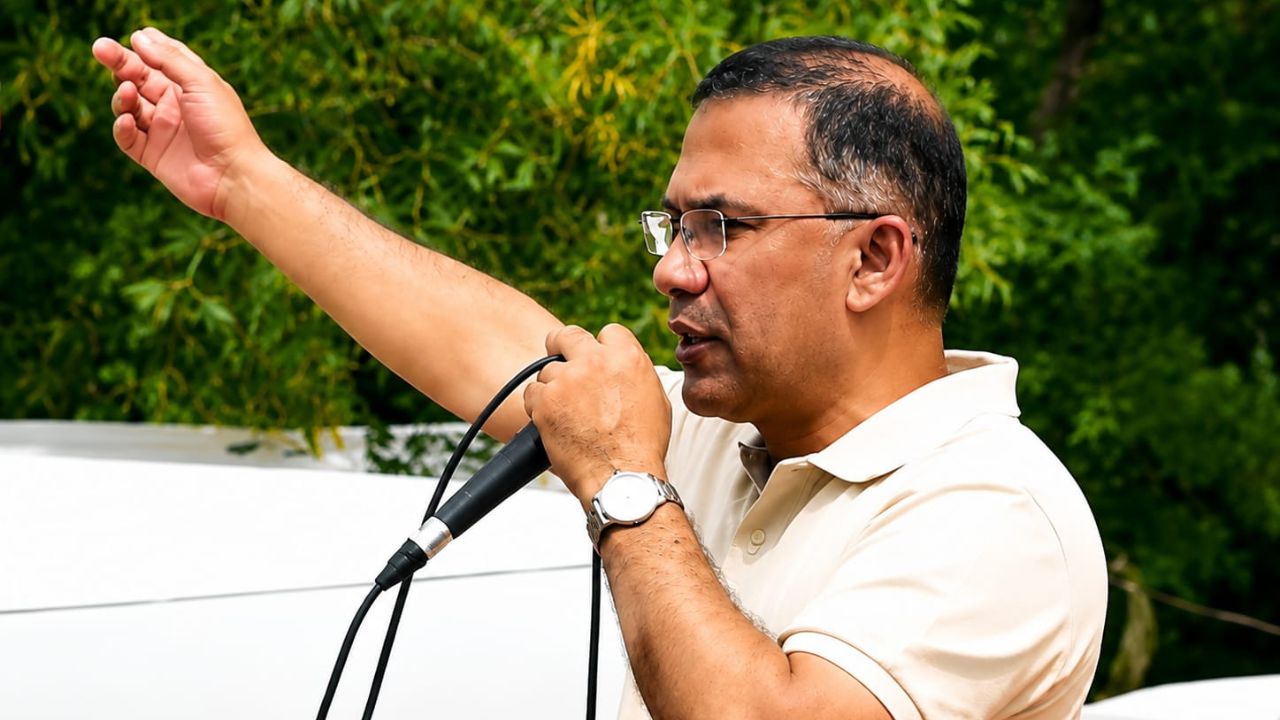
Economist Anu Muhammad has alleged that unplanned development projects in Cox’s Bazar are destroying natural protective systems instead of strengthening them in a country increasingly vulnerable to climate change.
He cited the construction of roads on the sand dunes of Cox’s Bazar sea beach, a road through the reserved hill forest of Moheshkhali and the expansion of shrimp enclosures by destroying mangrove forests on Sonadia Island as examples of environmentally damaging projects.
He made the remarks at a press conference titled “Cox’s Bazar Endangered by Unplanned Development: Environmentalists’ Concern” at Dhaka Reporters Unity on Monday.
Anu Muhammad said Cox’s Bazar’s long and wide sea beach is one of Bangladesh’s most important natural assets, but projects such as constructing roads on sand dunes, cutting roads through forests and clearing mangroves are weakening the country’s natural defences.
He also said various infrastructure projects and hotels in Cox’s Bazar had been developed in an unplanned manner.
Highlighting growing climate risks in coastal areas, Anu Muhammad said sand dunes and mangrove forests act as natural barriers against disasters, but initiatives are being taken to destroy them.
He described such projects as “senseless” and demanded accountability over funding provided by the Japan International Cooperation Agency (JICA) for projects affecting Cox’s Bazar’s environment.

He also called for a review of environmentally harmful projects funded by the Asian Development Bank (ADB), JICA and the World Bank.
Referring to remarks by a state minister regarding court orders on Cox’s Bazar development, Anu said the comments reflected disrespect for judicial directives and could be seen as an attempt to influence the judicial process.
He said the government’s actions must match its commitments on environmental protection.
Presenting a written statement at the press conference, BAPA Vice-President Zakir Hossain said an initiative had been taken to construct a 1.6-kilometre-long and 28-metre-wide road on the sand dunes of Sugandha-Kolatoli beach in Cox’s Bazar.



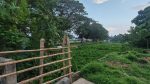
He said the project, estimated to cost around Tk63.50 crore, was being implemented under Cox’s Bazar Municipality’s urban development project with JICA funding.
Zakir alleged that despite Cox’s Bazar sea beach being declared an Ecologically Critical Area (ECA), steps were being taken to build infrastructure on the dunes.
He demanded strict enforcement of court directives and environmental restrictions to protect the beach’s natural environment and biodiversity.
BAPA also expressed concern over the construction of the Kalarmarchhara road through the reserved hill forest of Moheshkhali.
According to the organisation, the project could damage around 18.50 hectares of forest land and affect nearly 1,500 trees.
Karim Ullah Kalim, General Secretary of BAPA’s Cox’s Bazar District Branch, said Cox’s Bazar was a national asset with unique beach characteristics.
He said sand dunes protect the coastline and warned that constructing roads there in violation of ECA laws could threaten the environment and the long-term livelihoods of local communities.
The organisation also raised concerns over the destruction of mangrove forests on Sonadia Island for expanding shrimp enclosures.
BAPA said mangroves act as natural shields against cyclones, storm surges and tidal waves while providing habitats for fish, crabs, shrimp, birds and various plant species.
BAPA General Secretary Alamgir Kabir said environmental protection was impossible if one ministry ignored the laws and regulations of another ministry.
He urged the Environment Ministry to take an effective role and questioned the rationale behind building roads through reserved forests and hills.
In his presidential address, BAPA President Professor Nur Mohammad Talukder said tourists visit Cox’s Bazar to enjoy nature, not concrete structures.
He warned that constructing roads on sand dunes would damage the beach’s natural beauty and biodiversity and urged the government to withdraw from environmentally harmful projects.
The press conference placed several demands, including an immediate halt to road construction on Sugandha beach dunes, implementation of court directives, removal of illegal structures and land grabbers, and mandatory Environmental Impact Assessments (EIAs) and expert opinions before approving projects on sand dunes.
BAPA also recommended abandoning road construction through Moheshkhali’s reserved forest, protecting wildlife corridors, forming a joint environmental management committee involving government agencies and local communities, and enforcing environmental and biodiversity laws.
For Sonadia Island, the organisation proposed removing illegally occupied mangrove areas and shrimp enclosures, stopping further forest destruction, launching ecological restoration programmes using local plant species and introducing community-based mangrove conservation involving fishermen, salt farmers and forest-dependent communities.
BAPA Treasurer Md Aminur Rasul, Joint Secretaries Humayun Kabir Suman, Javed Jahan and Halim Dad Khan, Executive Members Monsefa Tripti, Fahmida Naznin and Shakil Kabir, along with other leaders of the organisation, attended the event.