
More than two decades after Bangladesh banned polythene bags, their use remains widespread, fuelling concerns over plastic pollution. Against this backdrop, BRAC has introduced a biodegradable bag that looks and functions like conventional polythene.
Made from corn starch and calcium carbonate, the transparent and durable bags have entered commercial production.
Manufacturing began in November at the BRAC GreenPack factory in Tongi, Gazipur. The plant can produce 30 tonnes a month, with capacity expandable to 40–45 tonnes if demand rises. Current purchase orders stand at around 15 tonnes.
Conventional plastic and polythene can take up to 500 years to decompose. BRAC officials said tests showed that GreenPack bags break down within six to seven months when exposed to soil, water and oxygen.
“We want to contribute to building a sustainable future by reducing plastic pollution,” Tamara Hasan Abed, managing director of BRAC Enterprises, told TIMES of Bangladesh.
Bangladesh banned the production, marketing and use of polythene shopping bags in 2002. However, the ban has remained largely ineffective. Discarded polythene continues to clog Dhaka’s drainage system, obstructing water flow and worsening waterlogging during rainfall.
Technology adapted from abroad
BRAC officials said the organisation’s chairperson instructed them in 2025 to develop alternative packaging. After reviewing technologies used in Singapore and Thailand, BRAC imported machinery from Taiwan.

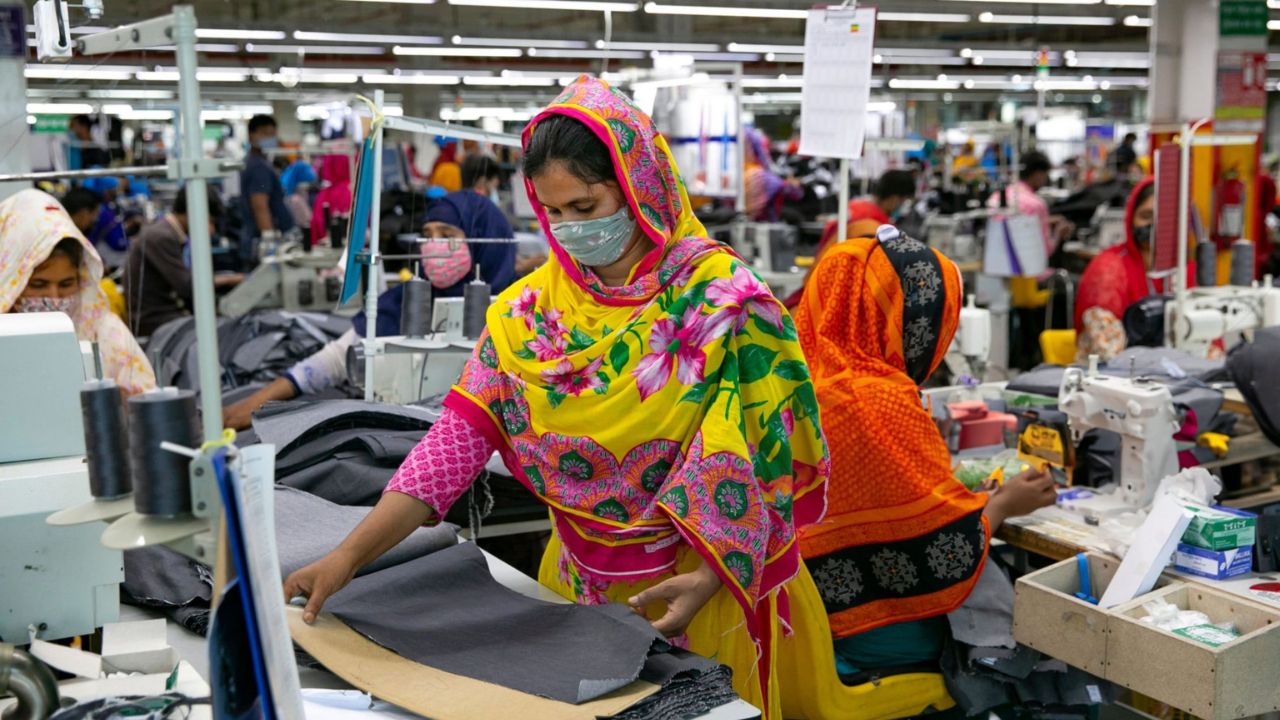
Workers with experience in polythene manufacturing were recruited and trained, as the production process is largely similar, apart from temperature-control requirements.
B2B business model
Md Mahabubul Hasan, deputy general manager of BRAC Printing Pack, said Bangladesh’s biodegradable packaging market remains at an early stage.
Consumers accustomed to paying Tk1 for a conventional polythene bag are often unwilling to spend Tk2 or Tk3 on an environmentally friendly alternative. BRAC is therefore following a business-to-business model, targeting corporate clients, supermarkets and lifestyle brands.
Hasan said supermarkets struggled to package wet products such as fish and meat after the interim government intensified enforcement of the polythene ban. Some retailers placed plastic bags inside paper bags, defeating the purpose of the restriction.



Supermarket chain Shwapno subsequently began using GreenPack packaging in its meat section, while Chattogram-based Well Food adopted the bags for its outlets and in-house catering operations.
BRAC is also working with Meena Bazar, Daily Shopping, Amana Big Bazar, Prince Bazar and Apon Family Mart, while discussions are under way with footwear brand Bata.
Among pending orders, Tasty Treat has placed the largest followed by Shwapno. Other orders were from Daily Shopping, from Apon Family Mart, from Meena Bazar, from Madhumati Agency, from BRAC Nursery, from BRAC Centre Inn and from BCDM.
Production has already been completed for Prince Bazar, Tasty Treat, Mithai, Daily Shopping and BRAC Healthcare. BRAC, however, declined to disclose the price of the bags.
Mohammad Habibullah, manager of Prince Bazar Limited, said the company adopted the bags after considering the environmental damage caused by plastic and polythene.
“Since these bags naturally decompose and disappear after a certain period, we consider them an environmentally friendly alternative,” he said.
Raw materials and certifications
GreenPack’s main raw materials, corn starch and calcium carbonate, are imported from China and Vietnam. No trees are required in the production process.
The company uses NTNK food-grade ink for printing. Ordinary ink costs around Tk400 per kilogramme, while the specialised non-toxic ink costs about Tk700. BRAC said raw fish and meat can safely come into direct contact with the packaging.
According to BRAC, the raw materials have received certifications from Austria’s TÜV, Australian Certification and OK Compost.
Tests by the Bangladesh Council of Scientific and Industrial Research found the bags to be fully biodegradable within six months. Tests by the Bangladesh University of Engineering and Technology showed 81 per cent degradation over the same period, BRAC said.
The economics of weight
Many businesses consider biodegradable packaging expensive based solely on unit price. Hasan, however, said the calculation changes when weight is taken into account.
A conventional paper bag weighs 20 to 30 grammes, compared with 5 to 10 grammes for a GreenPack bag. At fruit shops and supermarkets, the weight of paper packaging may be added to the weight of the goods, meaning customers pay extra.
GreenPack bags are lighter and more flexible, while the corn starch-based material can carry more weight than conventional plastic, he said.
Environmentalist calls for verification
Environmentalist Atiq Rahman told TIMES that the packaging could become a promising alternative if its technological claims are independently verified.
“If this alternative packaging, made from corn starch and calcium carbonate and capable of decomposing within six months, is technologically proven to work, it could be a positive initiative. If the product can genuinely break down chemically into the soil, it has considerable potential,” he said.
Calling for government-led testing, Rahman added, “At the very least, it has opened the door to a new approach. However, its effectiveness must be confirmed over time and through scientific testing. Before any technology is introduced for public use, it must be proven beyond reasonable doubt. Not only production costs but also its long-term performance and environmental effectiveness should be thoroughly examined.”