Plastic and polythene have become inseparable from modern life. From grocery bags and food packaging to water bottles, takeaway containers and disposable household items, these materials offer convenience at almost every turn. Yet behind this everyday ease lies a dangerous reality that affects not only the environment but also human health.

Most plastic products, especially single-use items, are designed for brief use but can remain in nature for hundreds of years. They clog drainage systems, pollute rivers, choke wildlife and contribute heavily to urban flooding. In densely populated cities, discarded polythene bags often block sewers, turning heavy rain into public suffering.
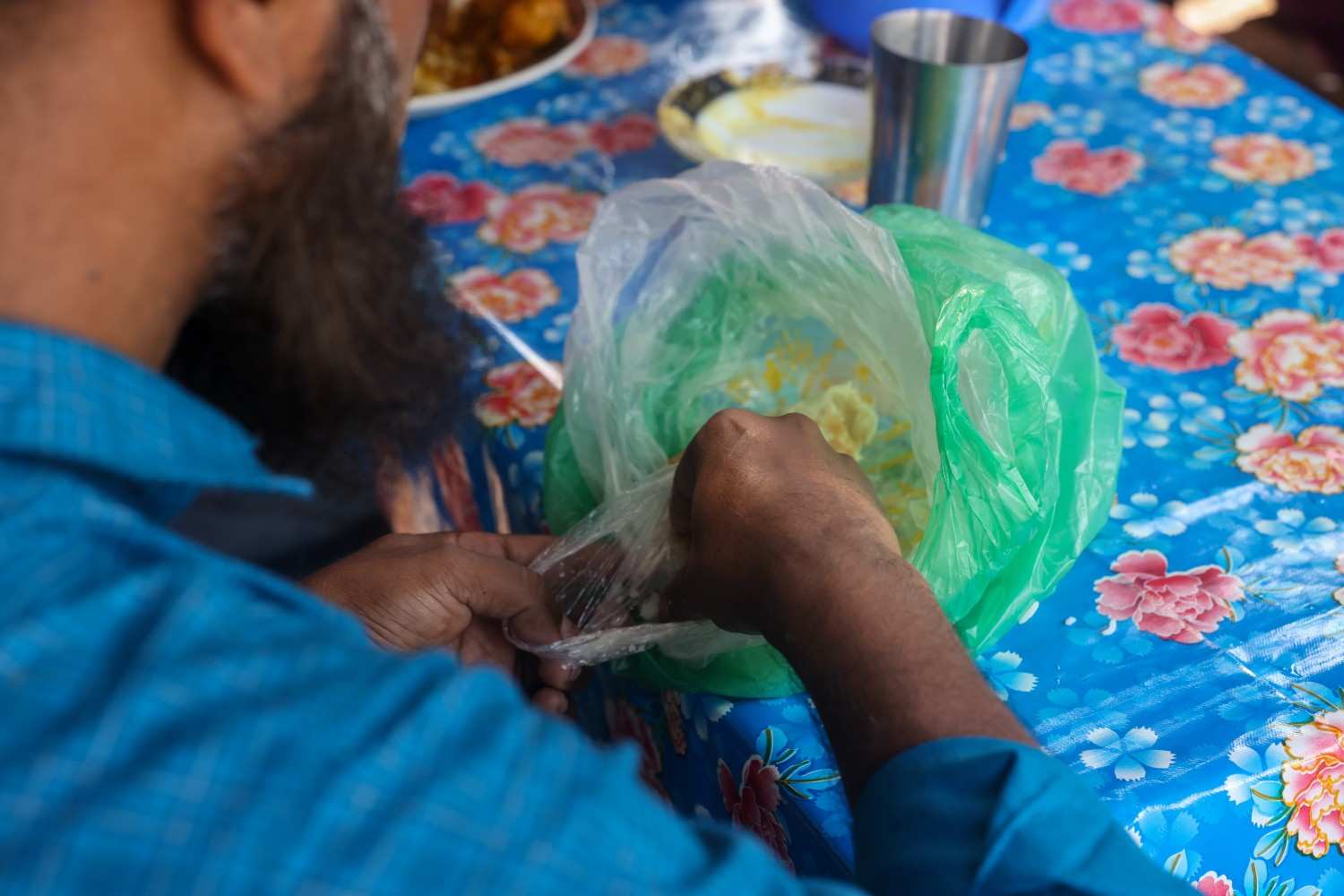
But the hidden health risks are even more alarming. Many plastics contain harmful chemicals such as Bisphenol A (BPA) and phthalates, which can leach into food and beverages, particularly when exposed to heat.

These substances have been linked to hormonal imbalance, reproductive issues, developmental disorders and even certain cancers. Reusing low-quality plastic containers for hot food or water can further increase these dangers.

Plastic waste also breaks down into microplastics, tiny particles now found in drinking water, seafood, salt and even the human bloodstream. Scientists warn that constant exposure to microplastics may contribute to inflammation, organ damage and other long-term health complications, though research is still ongoing.




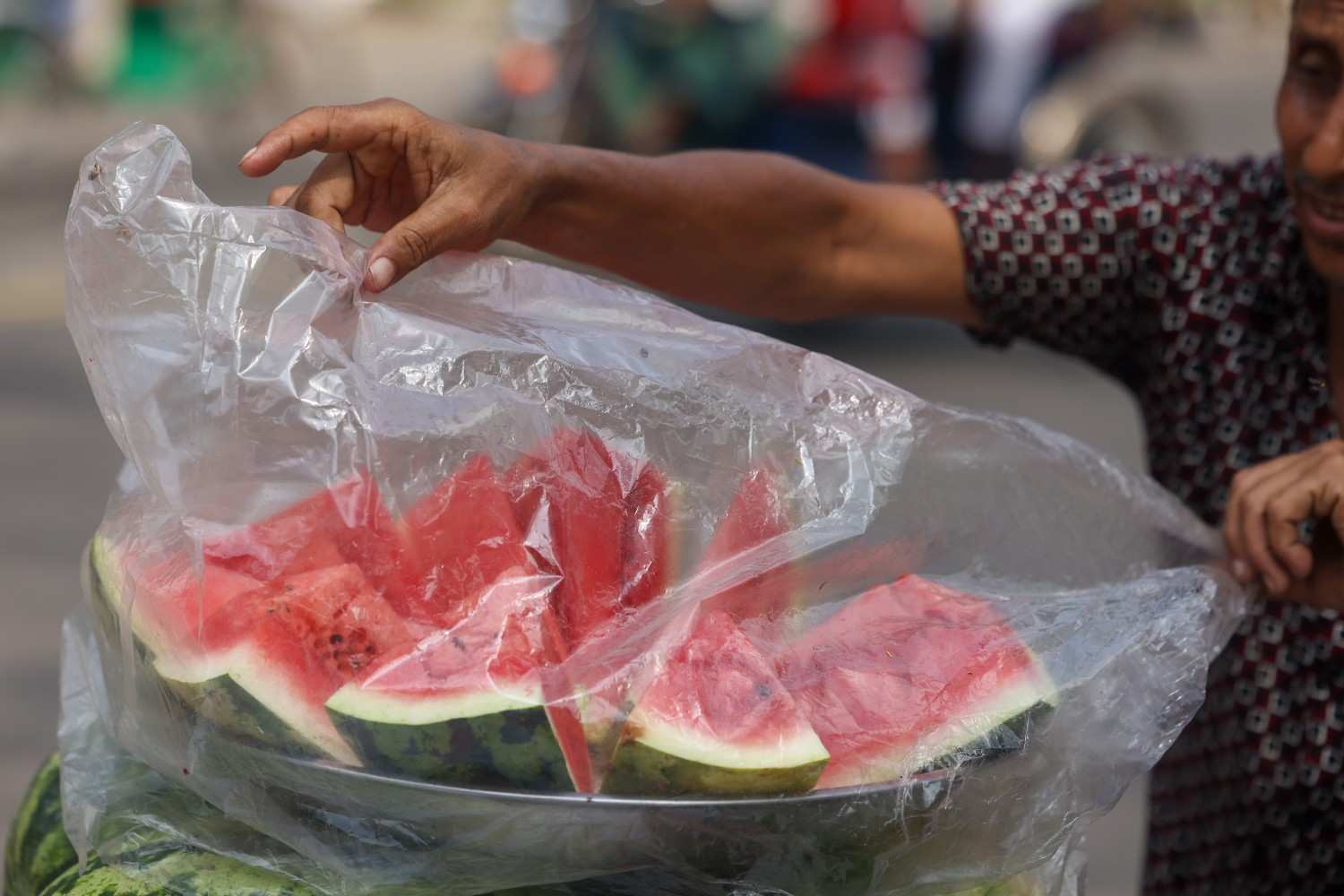
Meanwhile, burning plastic waste, a common disposal method in many communities, releases toxic fumes that can trigger asthma, lung disease and other respiratory illnesses.
Children are particularly vulnerable. Plastic toys, feeding bottles and food packaging made from unsafe materials may expose them to chemicals during critical stages of development.

Despite these threats, convenience often overshadows caution. Cheap, disposable plastic products remain a daily choice for millions, even as evidence of harm grows stronger.
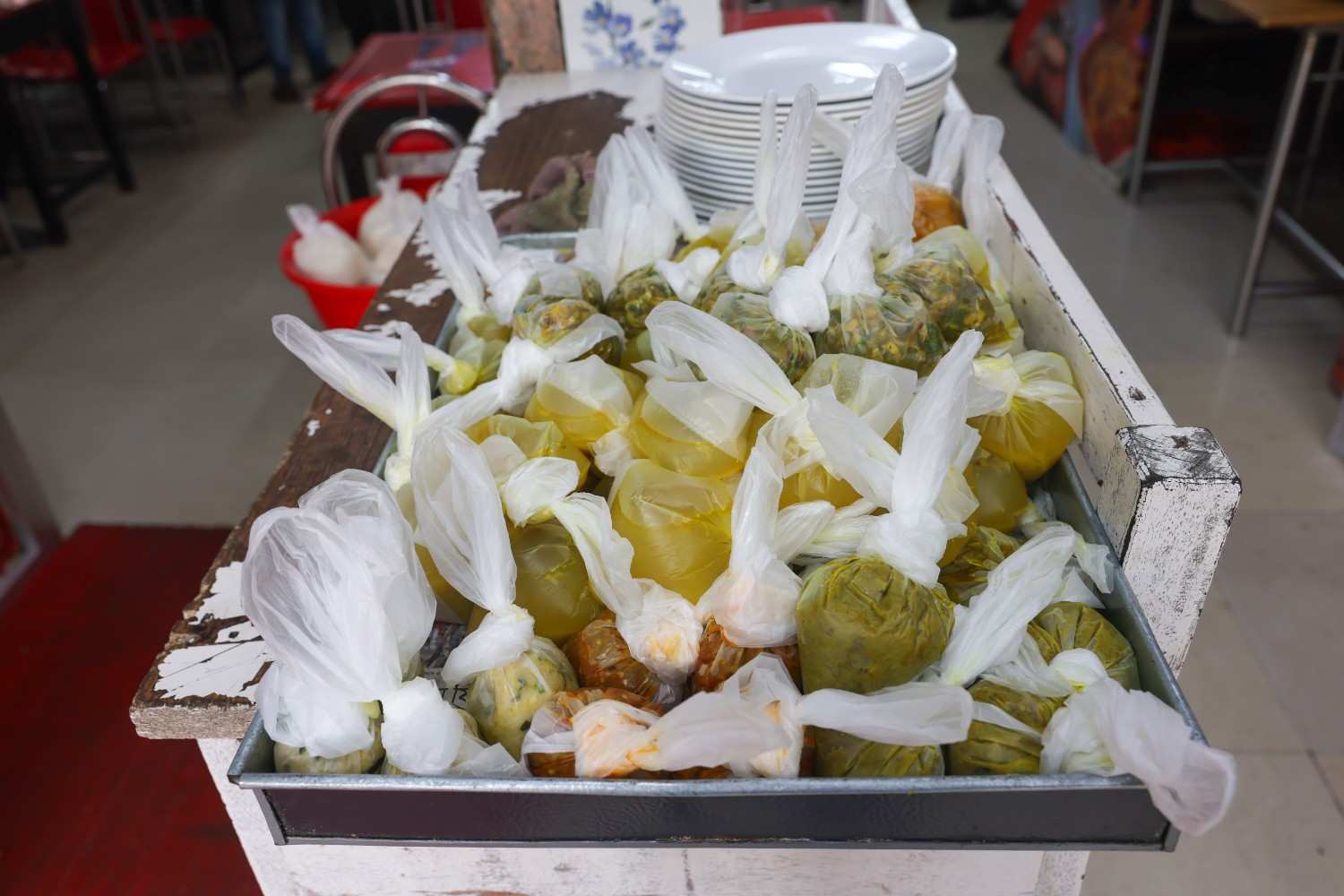
Reducing plastic dependence is no longer just an environmental responsibility; it is a health necessity. Using reusable bags, avoiding heated plastic containers, choosing safer alternatives like glass or steel and supporting stronger regulations can significantly reduce exposure.

Plastic is not merely littering the planet; it is quietly entering our bodies. The true danger of plastic and polythene lies not only in what we throw away, but in what we unknowingly carry into our future.