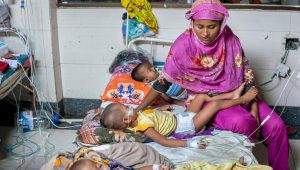
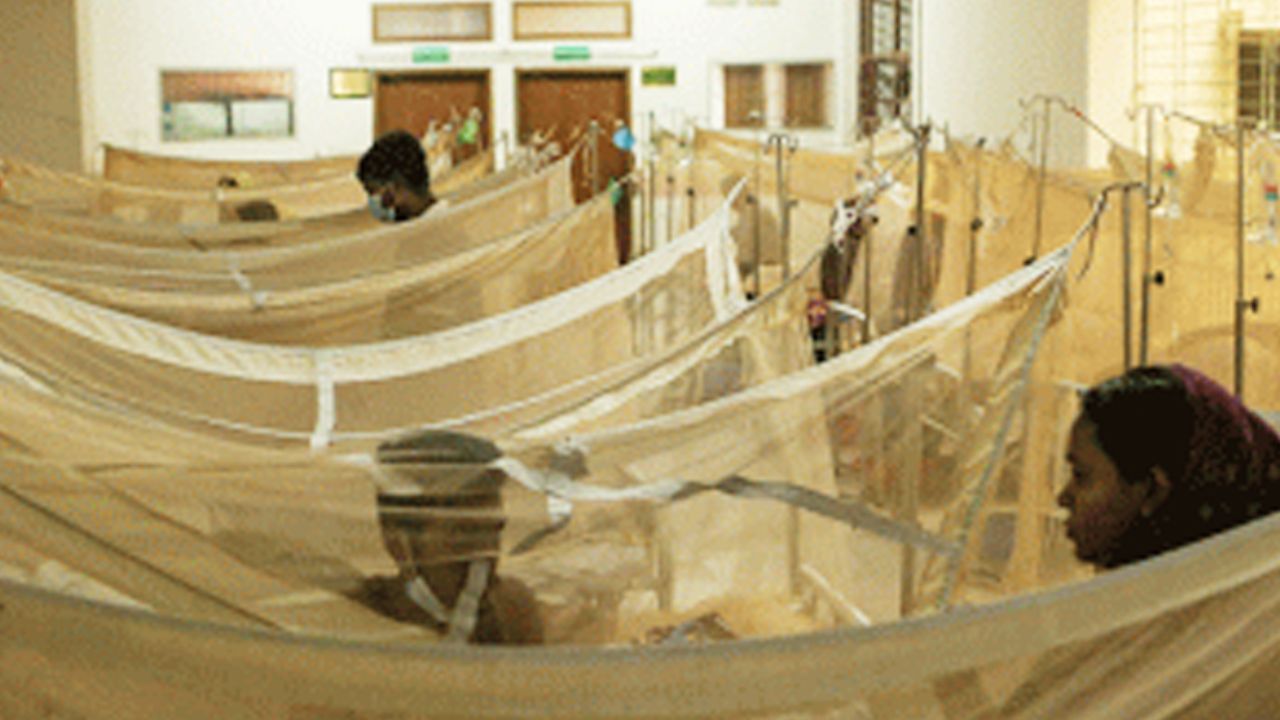
Amid a severe shortage of measles vaccines following the recent outbreak, which has claimed the lives of at least 53 children by Monday, the government has initiated a nationwide effort to assess the remaining stock of measles vaccines across the country.
Officials said that letters have been sent to regional offices to determine the availability of measles vaccines at the field level, with the data expected to be received by 31 March.
The Ministry of Health has also requested detailed information on vaccine stockpiles from the Directorate General of Health Services (DGHS). The government plans to take further action once the complete data is available.
Professor Hamidur Rashid, Director of the DGHS’s Disease Control Branch, confirmed that by Sunday, 676 children had been diagnosed with measles.
However, Dr Mohammad Shahriar Sazzad, Deputy Director of the Expanded Programme on Immunization (EPI), reported that the total number of confirmed cases across the country had already exceeded 1,500.
The outbreak has been particularly severe in seven districts: Dhaka, Mymensingh, Rajshahi, Pabna, Chattogram, Jessore, and Natore.
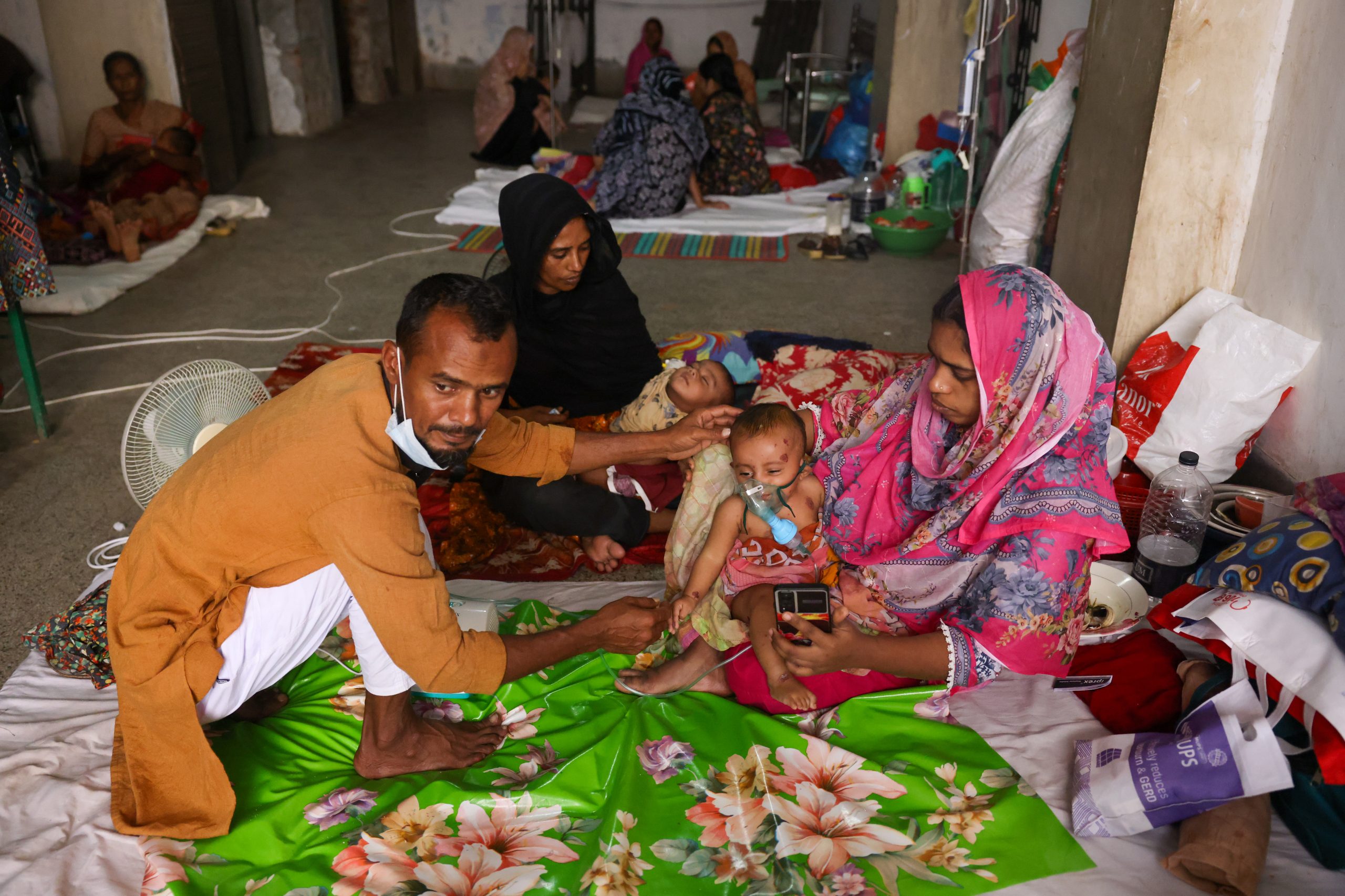
The EPI administers nine vaccines for the prevention of twelve diseases, including MR vaccine for measles and rubella.

However, Dr Sazzad confirmed that six vaccines including MR have completely run out at the central depot.
With 4.2 million children born annually, the country’s annual demand for measles vaccines is nearly 10 million doses. As routine vaccine supplies run low, the government has turned to alternative sources.
“We have more than 20 million doses of vaccines from our campaign stocks. Since the routine vaccines are out of stock, we will start incorporating campaign vaccines into the regular schedule,” Dr Sazzad said.
According to officials from the Ministry of Finance and the health sector, the ongoing measles vaccine crisis can be traced back to the delayed approval of the operational plan under the Fifth Health, Population, and Nutrition Sector Programme (HPNSP). The vaccine shortage began in 2024 under the previous Fourth HPNSP, when many hospitals started reporting stockouts.

Health economist Syed Abdul Hamid directly blames the interim government’s poor policymaking and short-sighted decisions for the current situation.
“The reckless decisions made without understanding the administrative realities have led to this crisis, with tragic consequences now reflected in the deaths of children,” he told TIMES of Bangladesh.
Measles outbreak worsens
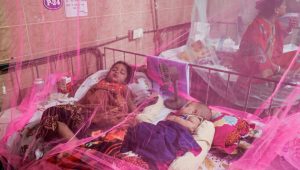
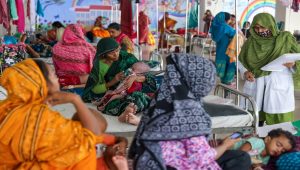
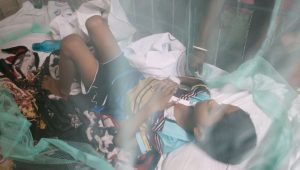
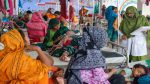
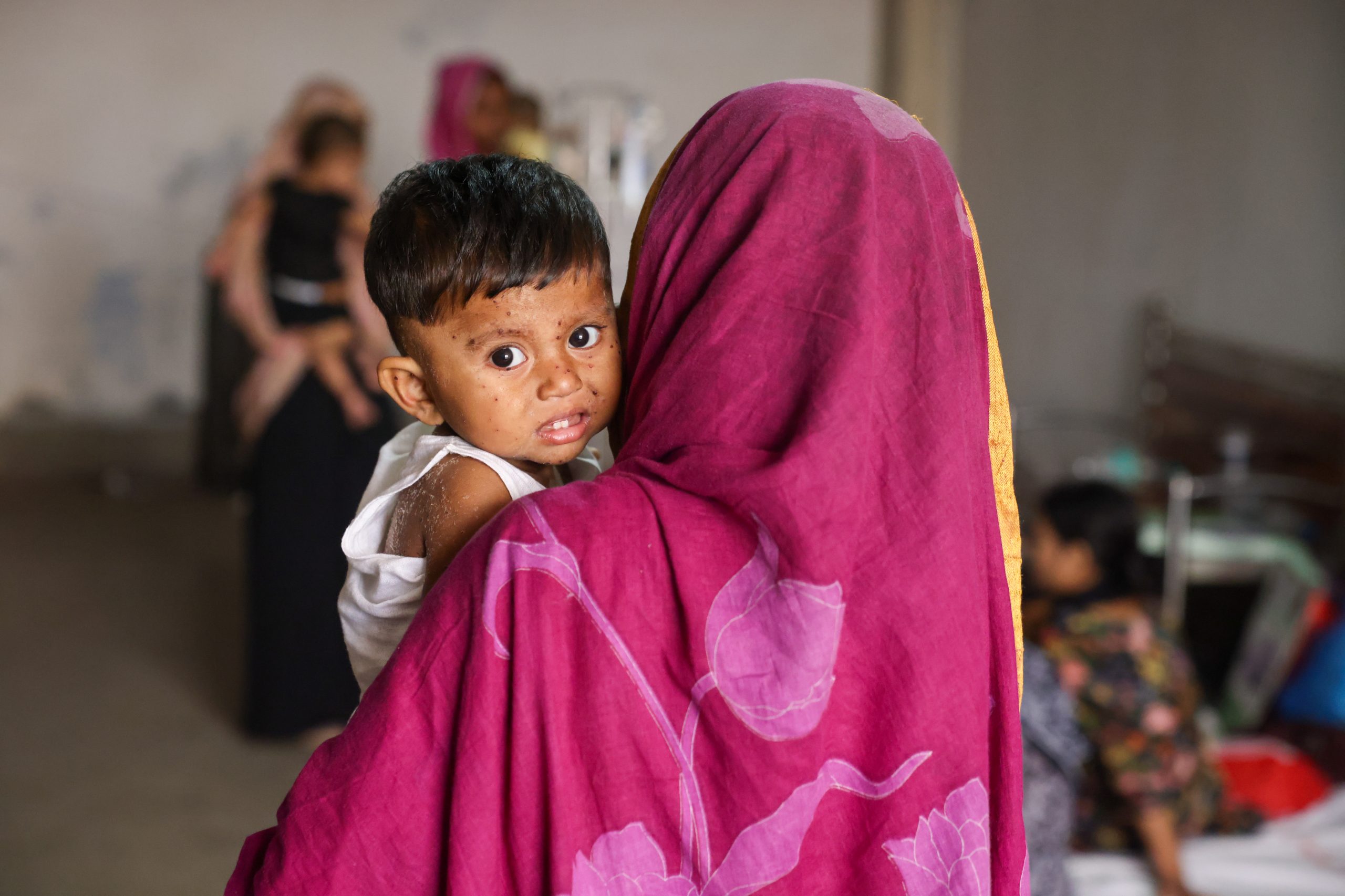
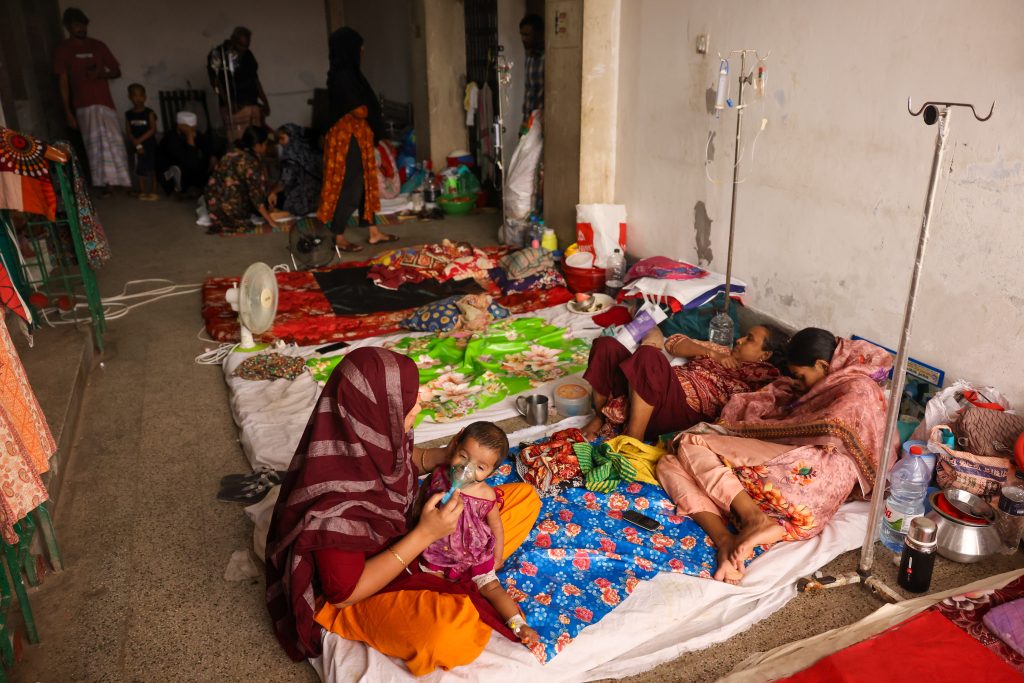
The measles situation has reached alarming levels, with nearly 53 children reported dead across the country by Monday. Of these, 22 deaths occurred at the Infectious Diseases Hospital, while more than 10 children died at Rajshahi Medical College, six at Bangladesh Children’s Hospital, and five in the Mymensingh Division.
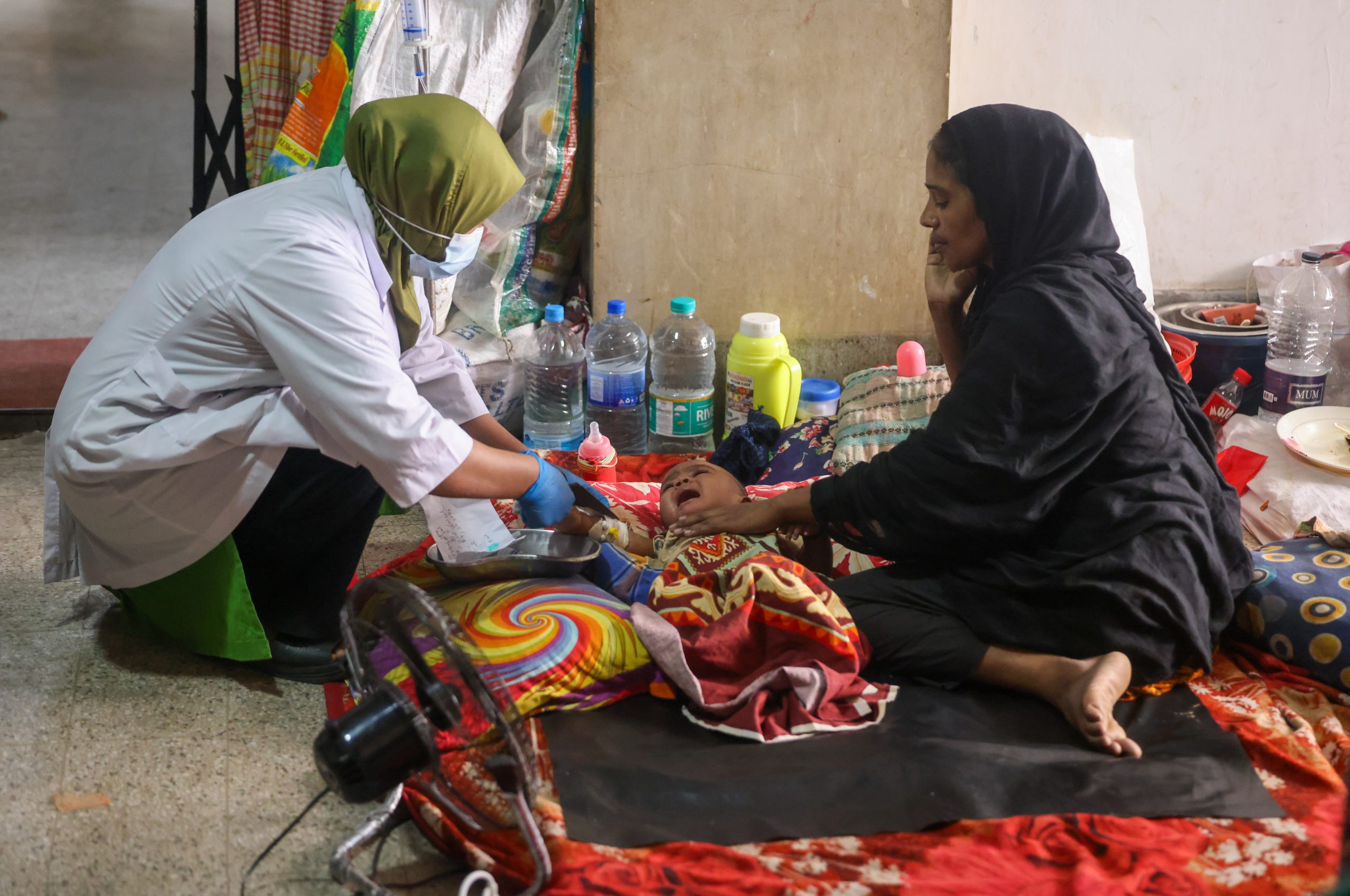
According to recent statistics, by Monday, 77 cases of measles had been reported in Rajshahi alone. The situation is also dire in the Khulna division, where the incidence rate is concerning.
Dr Abu Ahmad Al Mamun, Director of the Management Information System (MIS) at the Directorate General of Health Services, admitted that no data from private or autonomous hospitals is included in their database. The country currently lacks a centralised system to track measles admissions and deaths across the nation.
Health minister’s claim contradicted by facts
Amid this crisis, the Health Minister claimed on 29 March that the country’s immunisation programme had been suspended for eight years. However, this claim has not been substantiated.
According to the World Health Organization’s (WHO) Coverage Evaluation Survey, routine immunisation activities have been ongoing from 2016 to 2024 in Bangladesh.
Statistics show that between 2018 and 2024, coverage for the first dose of the measles-rubella vaccine remained stable at around 96 to 97 percent, while the second dose (MR2) had coverage rates between 90 and 93 percent.
UNICEF also reported in a press release on 28 February that Bangladesh has seen consistent improvement in immunisation since the launch of the EPI in 1979. The coverage rate has increased from 2 percent to 81.6 percent. However, they cautioned that a significant gap remains, with nearly 70,000 children still deprived of their vaccine doses.
On 19 March 2025, the interim government cancelled the proposed fifth HPNSP, which had a potential cost of approximately Tk1.06 trillion.
Govt rushes to purchase vaccines
Mohammad Shafiul Alam, Joint Secretary at the Ministry of Health, confirmed that Tk842 crore was allocated from the revenue budget for vaccine procurement in the current fiscal year. Half of this amount, Tk421 crore, has already been released and used to purchase vaccines. Once the remaining funds are disbursed, vaccines for an additional six months will be acquired.
Additionally, last week, the Cabinet Committee on Public Procurement approved the purchase of vaccines worth Tk604 crore under a project funded by the Asian Development Bank. These vaccines will cover at least the next four months. Overall, measures are in place to secure vaccines for nearly 10 months.
Health Secretary Md Kamrulzzaman Chowdhury said, “UNICEF has been paid for vaccines, and we expect supplies to arrive in the first week of April.”
He also mentioned that between May and July, nearly 2 crore syringes will be supplied, and the international organisation GAVI has been informed to ensure vaccine delivery.
The National Immunization Committee plans to vaccinate nearly 2 crore children aged six months to five years against measles in June. A special vaccination campaign is also being prepared for July-August.
Meanwhile, on Monday, a delegation led by US Ambassador Brent Christensen met with the Health Minister at the Secretariat. Following the meeting, the Health Minister announced that Bangladesh and the United States have agreed to establish a joint working group to focus on global health security, infectious disease prevention, and improving maternal and child health. The group is expected to submit its action plan by May, with the US offering technical and technological assistance.