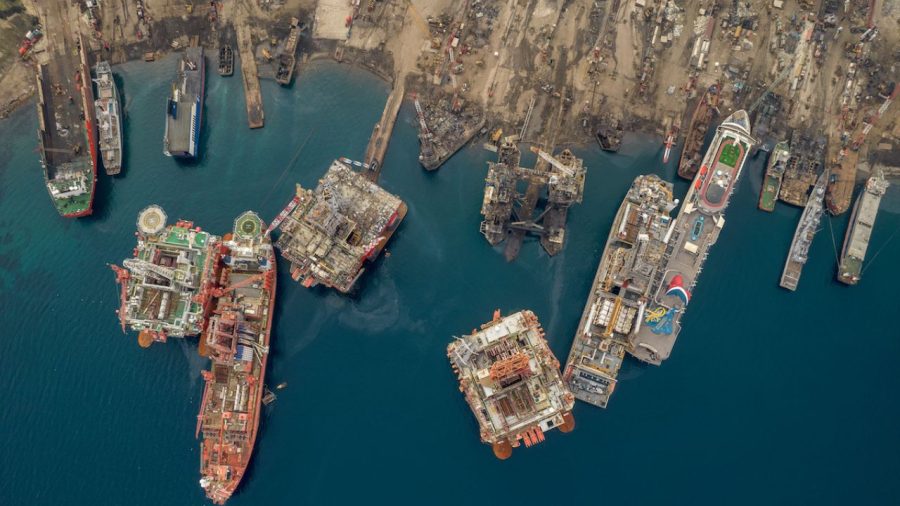

The government is pushing internet-connected camera monitoring and specialised training for high-risk work at Bangladesh’s ship-recycling yards as it seeks to expand the industry while bringing worker fatalities down to zero.
Officials and experts also called for stronger emergency response, systematic analysis of past accidents and sharing of information on accidents, near-misses and potential risks across yards at a workshop organised by the Ministry of Industries and the Japan International Cooperation Agency (JICA) in Chattogram on Saturday.
Ministry of Industries Additional Secretary (Ship Recycling, BIRA & Private Sector) Md Rashedul Islam said the government wanted to develop the ship-breaking industry while achieving zero worker deaths, adding that the sector could eventually become a billion-dollar industry.
He called for stronger safety awareness, low-cost internet-connected cameras to monitor yards remotely by mobile phone and specialised training for high-risk operations, saying experience alone could not replace proper safety procedures.

JICA ship-breaking expert Akira Okamoto urged yards to systematically analyse accidents, near-misses and potential risks, share the findings and apply preventive measures across the industry.
The discussion also drew on the 14 August Sitakunda accident, in which 10 workers died after exposure to hydrogen sulphide gas during ballast-tank cutting.




Participants described the incident as a new type of experience for the industry and stressed the need to incorporate its lessons into future safety practices.
Bangladesh Ship Breakers and Recyclers Association (BSBRA) President Mohammed Mohsin said accidents had declined with the growth of green ship-recycling yards and greater compliance with the Hong Kong Convention, but the recent ballast-tank incident had exposed a new risk and underscored the need for stronger risk assessment and emergency preparedness.
He said the industry was receiving support from the Ministry of Industries and other regulators and hoped government initiatives would make ship recycling safer and more environmentally sustainable.
Mohsin also said safety and environmental responsibility should begin at the ship-construction stage, with shipbuilders considering where vessels would be recycled after 20 to 25 years and whether those facilities met required standards, rather than leaving responsibility solely to recycling yards.
Chattogram Divisional Commissioner Md Ziauddin said Bangladesh was moving from its long ship-breaking tradition towards green ship-recycling yards, warning that even a minor lapse in what he called a “mechanical monster” industry could cause a major accident.
He said the government was modernising the sector and strengthening regulatory institutions with the aim of eventually achieving zero casualties.
Bangladesh University of Engineering and Technology (BUET) Department of Chemical Engineering Professor Yasir Arafat Khan presented a scientific analysis of the Ferdous Steel accident, examining how toxic gases and chemical hazards arise during ship breaking and outlining measures to identify, control and prevent such risks.
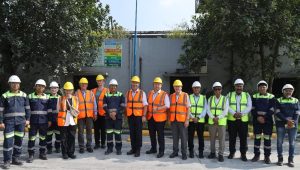
Bangladesh Ship Recycling Board Director General (Acting) Gazi Asaduzzaman Kabir, government officials, BSBRA representatives, safety officers from ship-recycling yards and other industry stakeholders attended the workshop.