World leaders across continents have hailed the first phase of the Gaza ceasefire and hostage exchange deal brokered by US President Donald Trump, calling it a potential turning point after two years of devastating conflict.
According to the Associated Press (AP) and Reuters, Argentina’s President Javier Milei described the agreement as historic and said he would nominate Trump for the Nobel Peace Prize.
Canadian Prime Minister Mark Carney said he was relieved that hostages would soon be reunited with their families and urged all sides to swiftly implement the terms.

New Zealand’s Foreign Minister Winston Peters called the accord “a positive first step in bringing suffering to an end,” while Japan’s Chief Cabinet Secretary Yoshimasa Hayashi termed it a “major step” toward achieving calm and advancing a two-state solution.
United Nations Secretary-General António Guterres welcomed the deal, stressing that both Israel and Hamas must fully honour their commitments and use the opportunity to establish a lasting ceasefire.




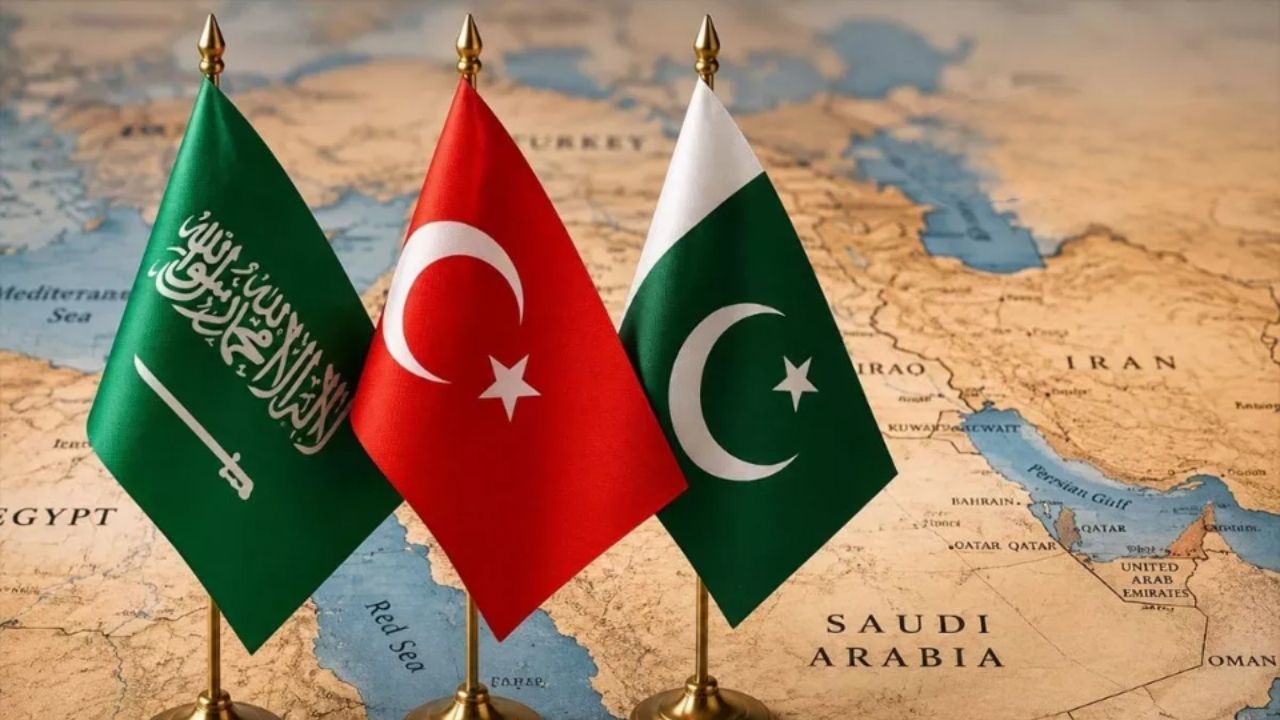
Reuters reported that the agreement, which follows indirect negotiations in Egypt, will initially pause fighting, ensure the release of all living hostages held in Gaza, and require Israeli forces to withdraw to a designated line. Mediators from Qatar and Egypt played key roles in finalising the plan. Turkey joined with Egyptian and Qatari mediators later.
However, observers cautioned that several critical issues remain unresolved—including future governance of Gaza, security guarantees, and prisoner exchanges—that will determine whether the deal leads to lasting peace.
Russia also reacted cautiously to the development. Foreign Minister Sergey Lavrov called Trump’s initiative “the best option on the table,” while Kremlin spokesperson Dmitry Peskov said Moscow supports any effort that could end the “tragedy in the Middle East.”
Lavrov acknowledged that the proposal lacks clarity on key political issues but praised its inclusion of Palestinian statehood as a positive sign.
Reuters said the Kremlin hopes the plan will be implemented and reiterated Russia’s support for a two-state solution, maintaining its diplomatic balance between Israel and the Arab world.
The success of the deal now depends on sustained compliance and international oversight. Analysts note that the global chorus of praise, tempered with caution, reflects both the rare hope for peace and the deep mistrust that has followed years of failed ceasefire efforts in Gaza.