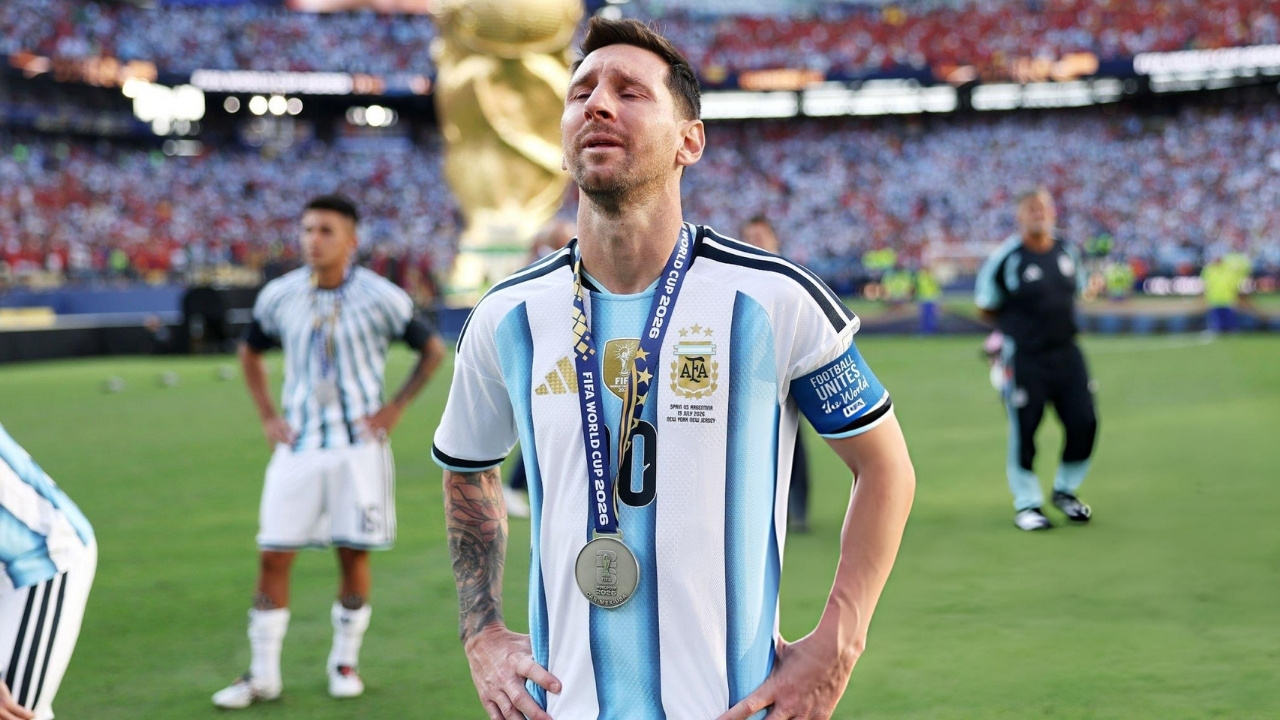

Lionel Messi was left in tears after being unable to conjure one final piece of magic to save Argentina from defeat to Spain in Monday’s World Cup final at MetLife Stadium, admitting afterwards that the better side had won.
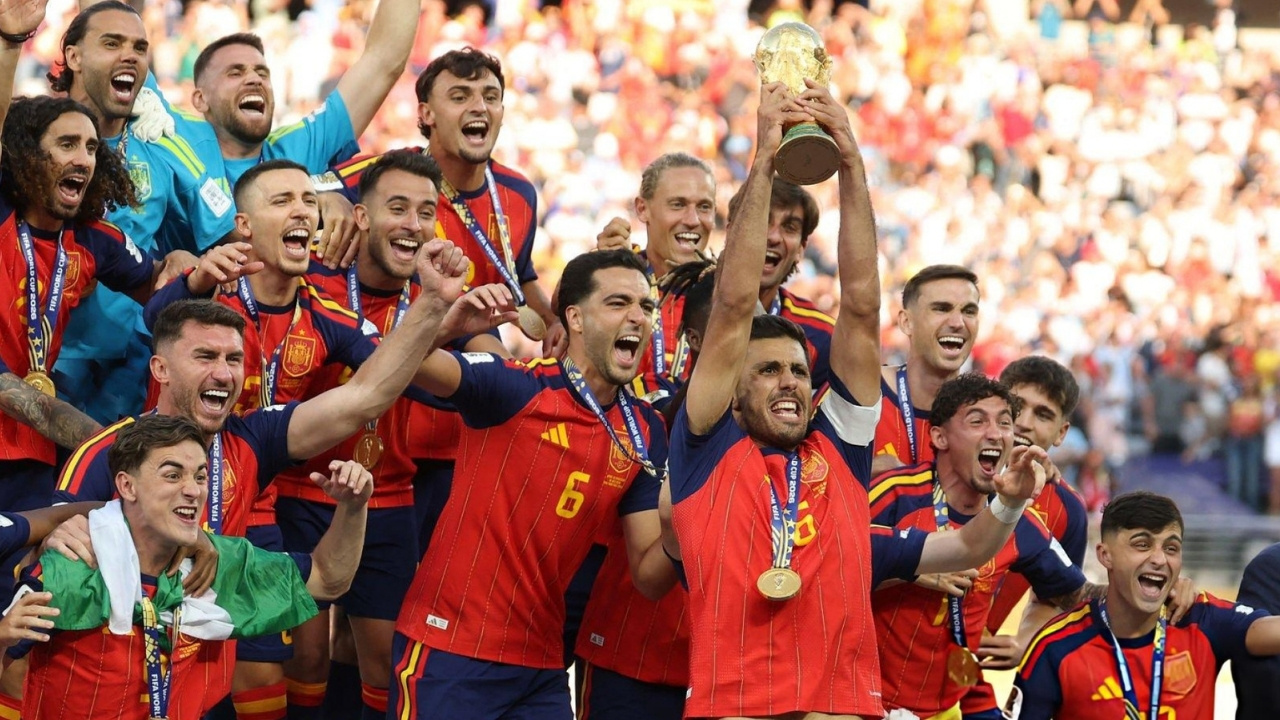
Ferran Torres scored 37 seconds into the second period of extra time to hand Spain a 1-0 victory and their second World Cup title, denying Argentina the chance to become the first side to win back to back men’s titles since Brazil in 1962. The overwhelming majority of the 80,663 crowd had been rooting for a Messi recoronation at 39, but instead watched him fight back tears as he and his teammates faced Argentina’s supporters at the stadium’s southern end while Spain’s players lifted the trophy at the centre circle.
“I feel sad, but I am aware that we played our hearts out,” Messi said. Spain’s dominance had been thorough throughout, finishing the final with a 20-1 advantage in shots and out-passing Argentina 845 to 433. “They were better, to be honest,” Messi said. “We lost the game, and we accept that. That doesn’t mean that we will forget everything we’ve done so far, so I’d like to thank my people, my players and the country.”

Messi had led Argentina to victory in the 2022 final against France, sandwiched between consecutive Copa America titles, but could only bow his head and grimace as Spain’s Lamine Yamal, less than a week past his 19th birthday, ran to embrace Torres after the winning goal. He finished the tournament with eight goals and four assists, taking his career World Cup tally to 21, a mark since surpassed by France’s Kylian Mbappe, who scored twice in Sunday’s third place playoff to reach 22. Messi became the first player to start three World Cup finals, and his international goals total now stands at 125, second only to Cristiano Ronaldo’s 146.
Argentina coach Lionel Scaloni said Messi’s standing in the game needed no further validation regardless of the result. “I hope that everyone feels proud of him, of what he’s achieved, because he’s the best football player ever stepping foot on a pitch,” Scaloni said. Spain coach Luis de la Fuente confirmed that containing Messi had been central to his side’s approach throughout. “The first idea was to keep Messi at bay,” he said. Messi managed just 15 touches in the first half and 54 across the whole match, never finding the ball in a position to threaten Unai Simon’s goal.
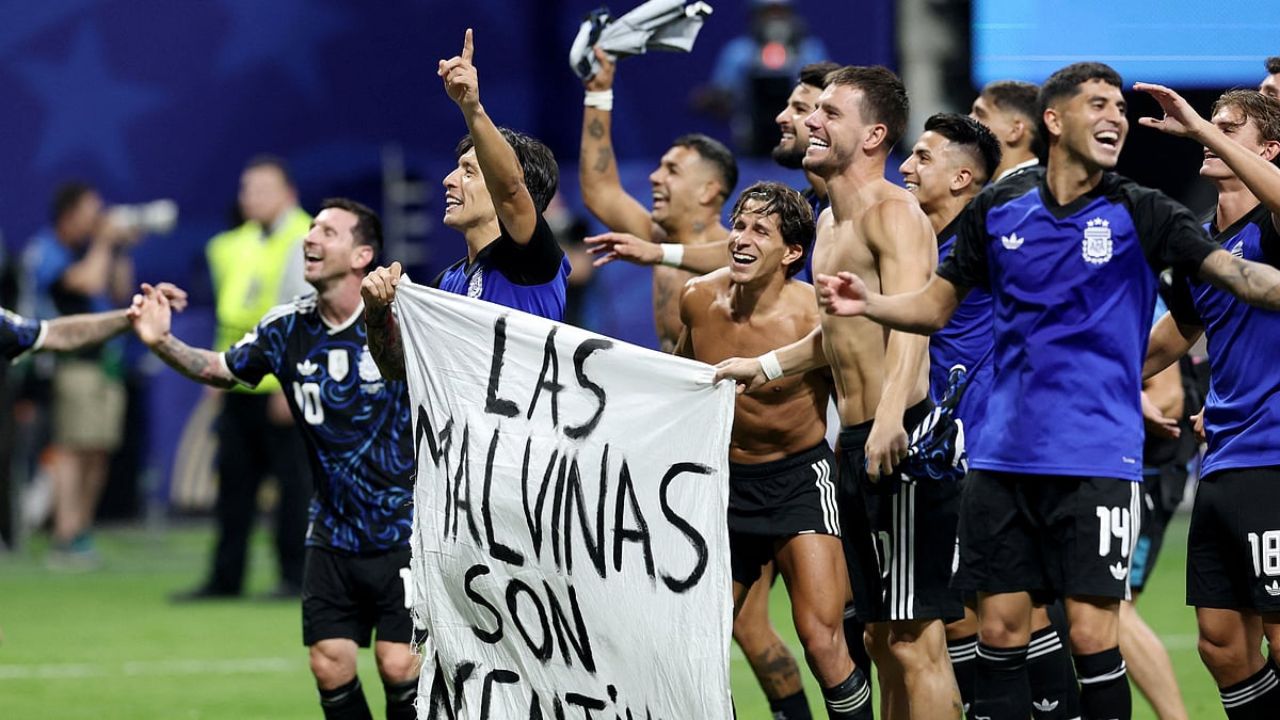
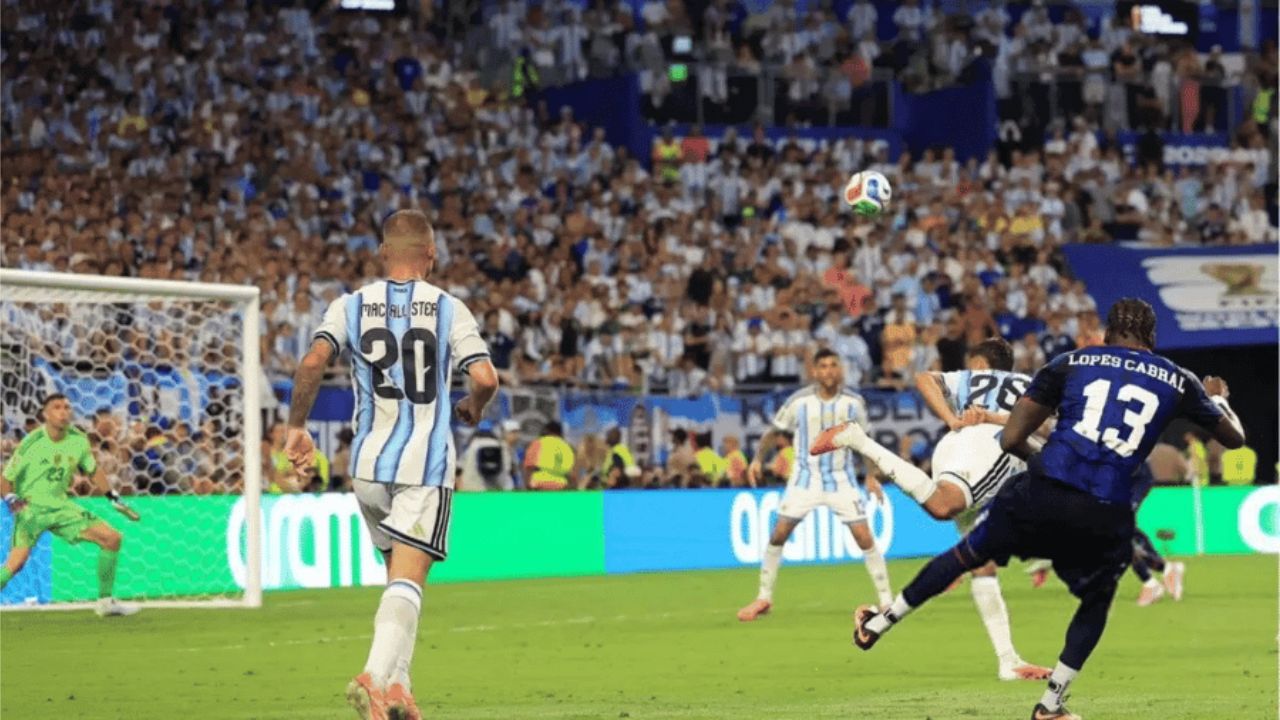
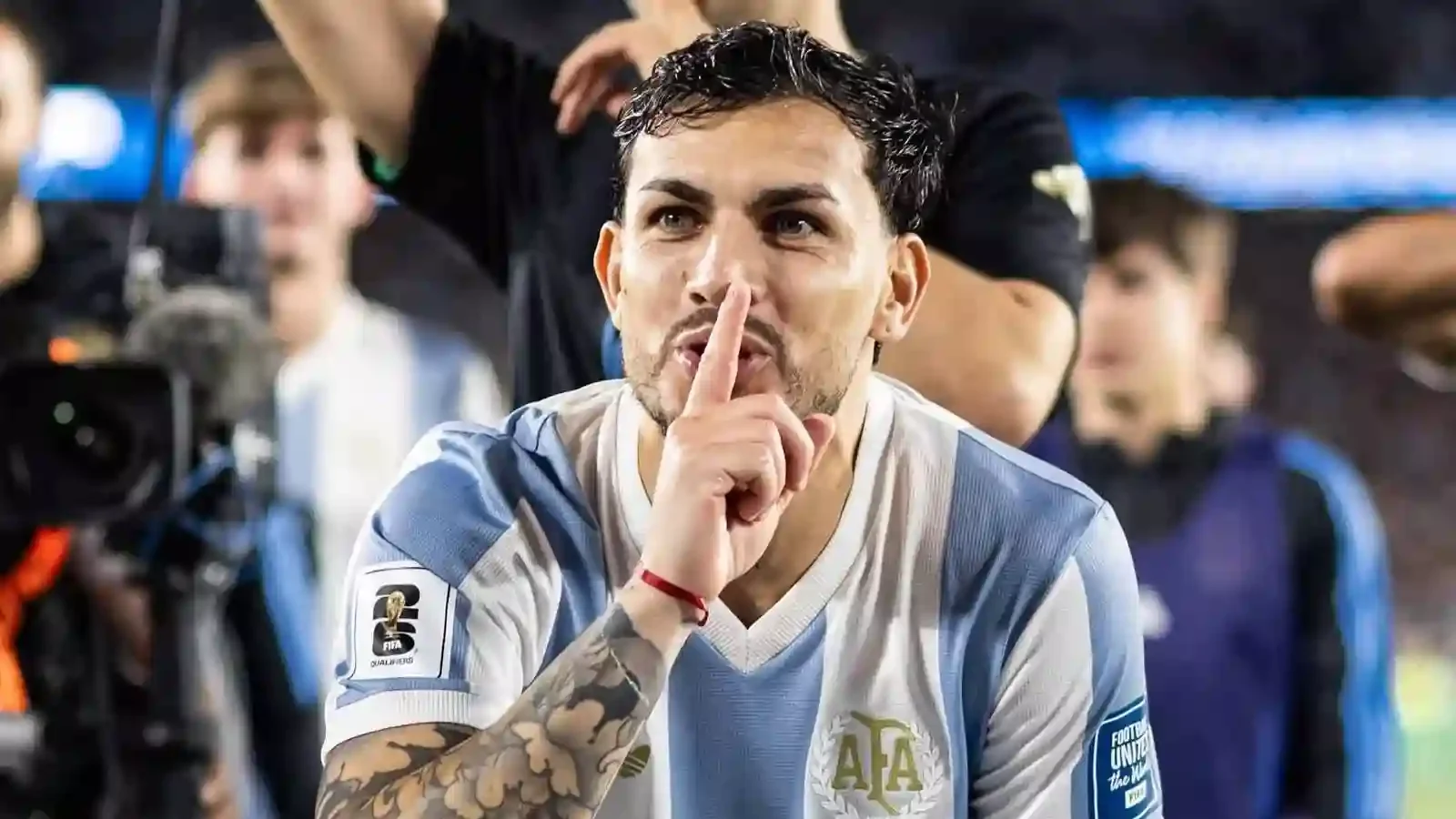
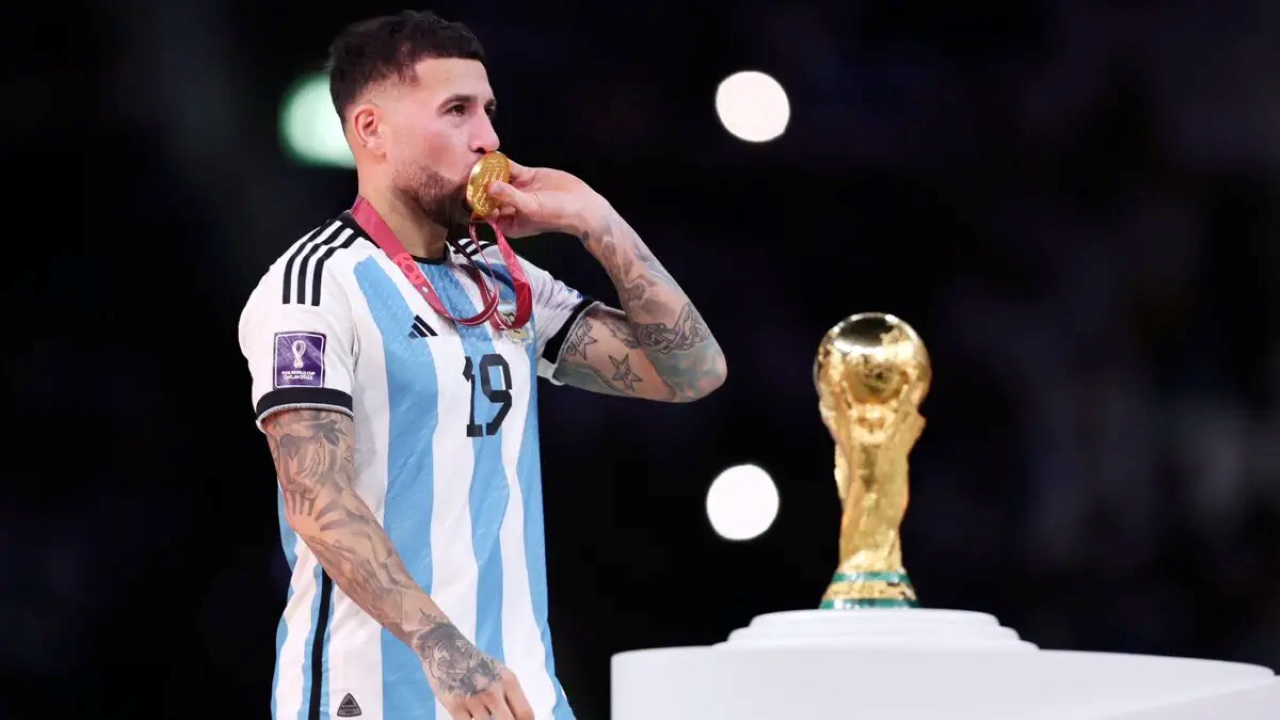
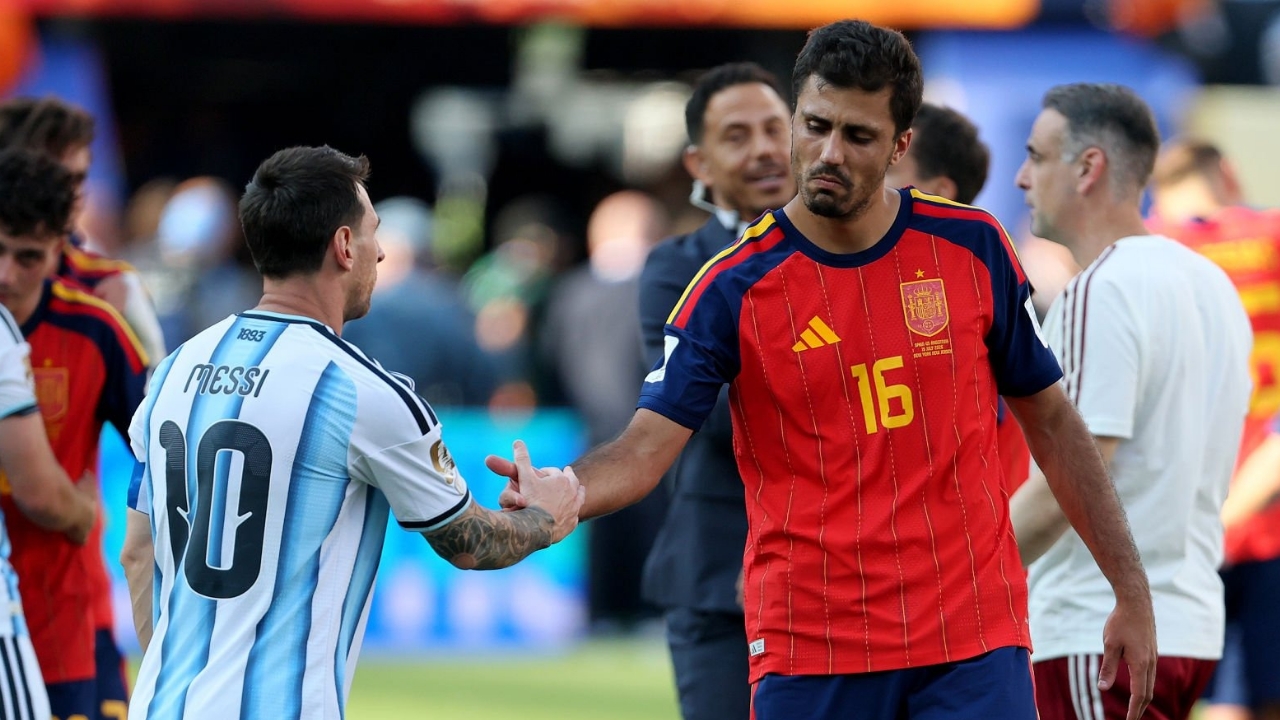
Half a dozen Spain players consoled Messi at the final whistle, and he later walked through a guard of honour formed by the Spanish squad as Argentina collected their runners up medals, managing only a blank expression as opponents patted him on the back.
The disappointment was felt as keenly back home. In Buenos Aires, fans who had gathered near the city’s obelisk to celebrate a potential victory instead marched through a cold, rainy night in scenes one supporter likened to a funeral procession. “I cried so much, I fainted, I fell like the last soldier in Troy,” said Marti Pereira, a 24 year old student. Fireworks and coloured smoke bombs bought in anticipation of victory were still let off, though they carried a more subdued mood. “It was the last tango of the best in the world, but it didn’t turn out the way we wanted,” said Mafalda Moreno, 36, sobbing at the back of a bar.
Widely expected to be Messi’s final World Cup appearance, though he has not confirmed as much, the mood in Argentina had already begun shifting from devotion toward nostalgia in the buildup to the final. “I would have loved the fourth star for Messi,” said Jennifer Guaraz, 27. “He deserved it.” Even so, many fans pointed to Argentina’s semi-final win over England as the result that mattered most to them. “At least we got to the final, the English did not even get here,” Guaraz said, a sentiment echoed by student Franco Cruz, who called the England match “much more important” than the final itself.
Argentina’s squad, affectionately known as La Scaloneta after their coach, were expected to receive a warm homecoming despite the defeat. “I’ll love them until death,” said fan Cristian Maidana, 42.