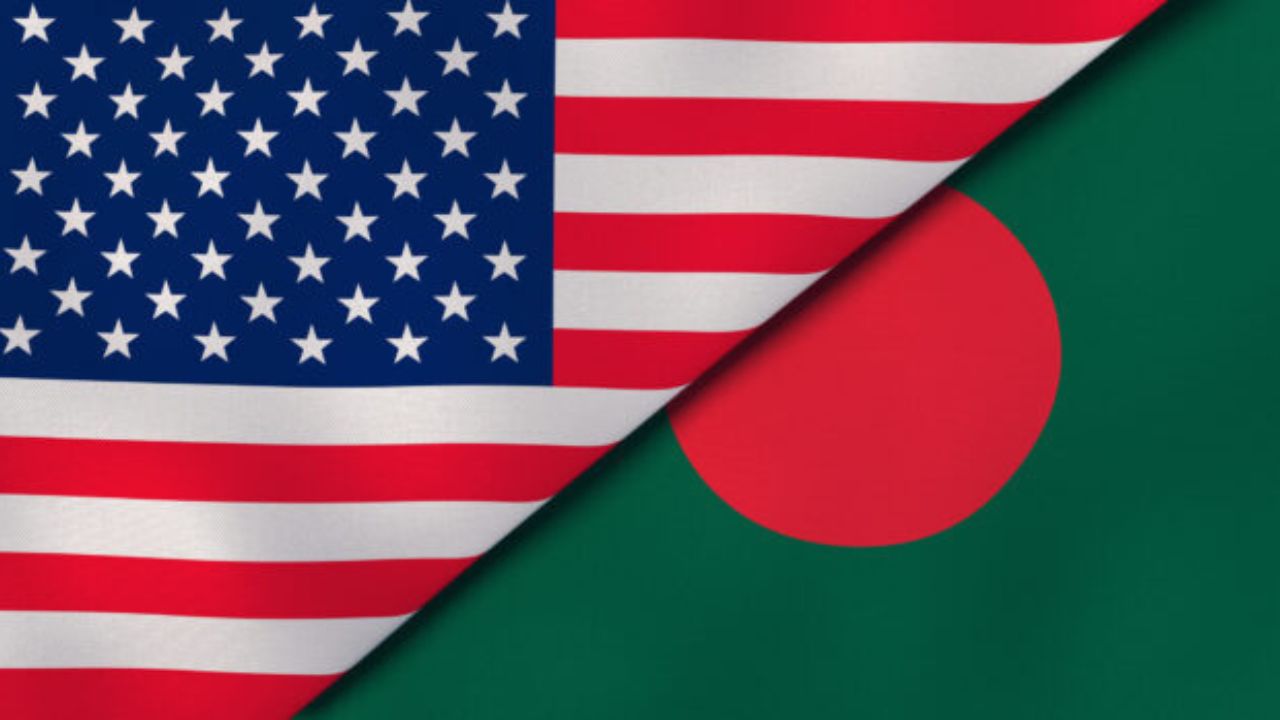

Bangladesh is steadily expanding its maritime defence engagement as part of its “Bangladesh First” policy, strengthening cooperation with partners including the United States and Saudi Arabia while seeking to maintain a careful strategic balance among competing global powers.
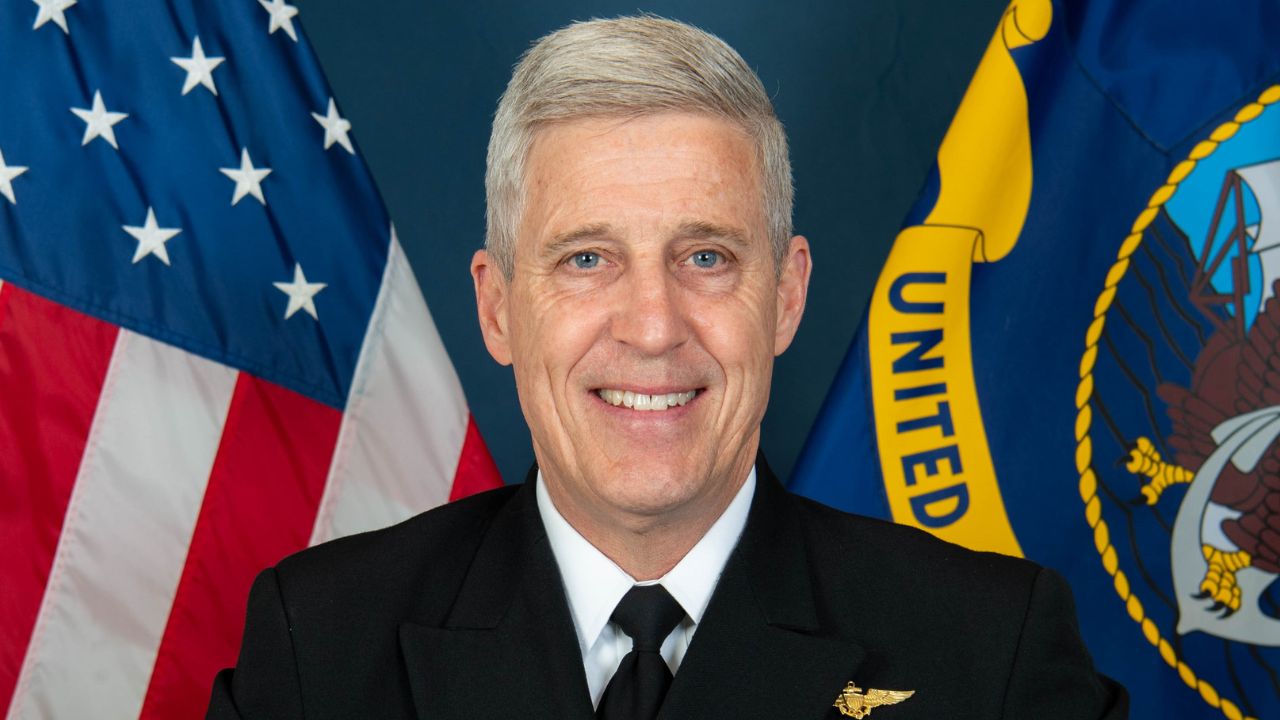
The latest sign of this evolving approach comes with the scheduled three-day visit of US Pacific Fleet Commander Admiral Stephen Koehler, beginning Tuesday. The visit follows Bangladesh’s recent decision to join the Saudi-led Maritime Defence Alliance, underscoring Dhaka’s growing emphasis on maritime security and regional cooperation.
According to his itinerary, Admiral Koehler will pay courtesy calls on Prime Minister Tarique Rahman, Defence Adviser Brig Gen (retd) Shamsul Alam, the Chief of Naval Staff and senior officials of the Armed Forces Division. His itinerary also includes visits to Lalbagh Fort, the Combined Military Hospital and Bir Uttam AK Khandker BAF Base, where he will observe Bangladesh Air Force operations.
Armed forces sources noted that this will be the first time a commander of the US Pacific Fleet will meet Bangladesh’s prime minister, highlighting the greater importance Washington attaches to defence engagement with Dhaka.
The previous Pacific Fleet commander to visit Bangladesh was Admiral Samuel J Paparo, who attended the Bangladesh Navy’s International Fleet Review in Cox’s Bazar in 2022. However, his visit did not include engagement at the highest political level.
Diplomatic and security analysts say the latest visit reflects a maturing defence relationship while reinforcing Bangladesh’s effort to diversify strategic partnerships without aligning exclusively with any major power.

Rear Admiral (retd) and former Secretary of the Maritime Affairs Unit at the Ministry of Foreign Affairs, Md Khorshed Alam, described the developments as a significant evolution in Bangladesh’s defence posture.
“This represents a perceived policy shift. Joining a maritime defence alliance is a reality now,” he told TIMES of Bangladesh.
Referring to Admiral Koehler’s visit, Khorshed said military exchanges with the United States are not new, but access to the country’s top political leadership marks an important shift.
Subscribing the same view, Brig General (retd) Kazi Mohammad Kaiser Hossain said, “Perhaps, this is the first time the Commander of the Pacific fleet is visiting Bangladesh which carry newfound significance.”


The high-level delegation of 22-member will surely have expertise from multidimensional fields with greater importance to maritime defence and security, he told TIMES.
The current geopolitical environment also suggests that discussions are likely to go beyond traditional defence cooperation.
Expanding opportunities
Analysts believe closer maritime cooperation with the United States could generate a range of strategic benefits for Bangladesh, including enhanced defence capability, greater interoperability with friendly countries and stronger deterrence.
The United States is already one of Bangladesh’s largest defence suppliers, and two of the Bangladesh Navy’s largest warships were acquired from the US.
Khorshed Alam said future cooperation could include advanced maritime surveillance systems, drones and medium- to long-range missile capabilities, subject to Bangladesh’s operational requirements.
“In line with our needs, Washington could provide improved versions of armament and defence equipment to strengthen our maritime defence capability,” he said.
Kaiser Hossain said meeting Navy chief has a wider connotation in the oceans following the visit of the US special envoy Sergio Gor and joining of Bangladesh in Saudi led maritime defence alliance.
However, he cautioned that Chinese dominance in the South China Sea and the US conflicting interests vis a vis Bangladesh’s all-weather relations with China may not move such maritime defence cooperation between the US and Bangladesh squarely.
In case of maritime cooperation and security, India remained in the forefront from the US point of view. Therefore, the engagement with the US was limited to few exercises and training exchanges during the Sheikh Hasina-led Awami League government.
However, another security expert seeking anonymity, said deeper defence cooperation would also strengthen Bangladesh’s strategic profile and send a signal that the country has capable international partners.
Closer engagement with Washington could also create opportunities for broader defence cooperation with other like-minded countries, he noted.
He further argued that signing the proposed General Security of Military Information Agreement (GSOMIA) would be advantageous, as it could facilitate greater access to US security assistance programmes.
According to official US figures, Washington has provided Bangladesh with US$78.45 million in Foreign Military Financing (FMF) and US$14.5 million in International Military Education and Training (IMET) assistance since 2014.
Who is Admiral Koehler?
Admiral Stephen T “Web” Koehler, who assumed command of the US Pacific Fleet on 4 April 2024, graduated from the University of Colorado Boulder in 1986 with a Bachelor of Science in Physics and was commissioned through the Naval Reserve Officers Training Corps.
During his career, he has served as deputy commander of the US Pacific Fleet, commander of the US Third Fleet and Director for Strategy, Plans and Policy on the Joint Staff.
Analysts say his visit reflects the growing strategic importance of Bangladesh in the Indo-Pacific maritime landscape. At the same time, they stress that Dhaka’s challenge will be to deepen defence cooperation with partners such as the United States while preserving its long-standing policy of maintaining balanced relations with all major powers.