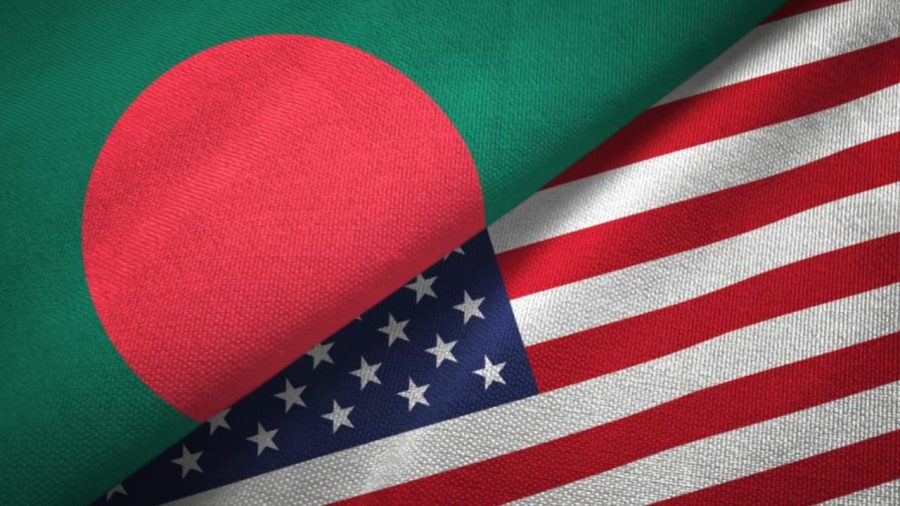



The United States has reiterated that decisions on domestic political bans, including restrictions on the Awami League, are for Bangladesh to decide, while emphasising that Washington’s relations with the newly elected government in Dhaka remain strong.
A senior US State Department official made the remarks during a briefing at the New York Foreign Press Center on the sidelines of the United Nations General Assembly. The briefing, titled “US Policy in Support of a Stable,
Prosperous and Sovereign South Asia”, was attended by South Asian journalists, including representatives from NTV, TIMES of Bangladesh and other regional media.
Asked whether Washington supported lifting the ban on the Awami League’s political activities, the official said that the United States would not prescribe actions concerning Bangladesh’s sovereign internal affairs.
“I do not want to speak about the internal politics of Bangladesh, but I would like to say that our relations with Bangladesh, with the BNP, are in a very good place,” the official said.

“We want to continue working with the elected government. We are on the side of the work that is ongoing to make Bangladesh stronger and safer. The United States has no qualms about making Bangladesh more prosperous. So, I do not think it is appropriate to say anything about the internal politics of Bangladesh,” the official said, adding that “that decision will have to be taken by the Bangladesh government.”
During the session, regional media raised questions on several issues shaping Bangladesh’s current political transition, including cross-border diplomatic tensions, regional power dynamics and bilateral engagements.



Asked about Washington’s position on ousted prime minister Sheikh Hasina, who is currently residing in India following her trial in absentia, the official said the United States had not intervened directly.
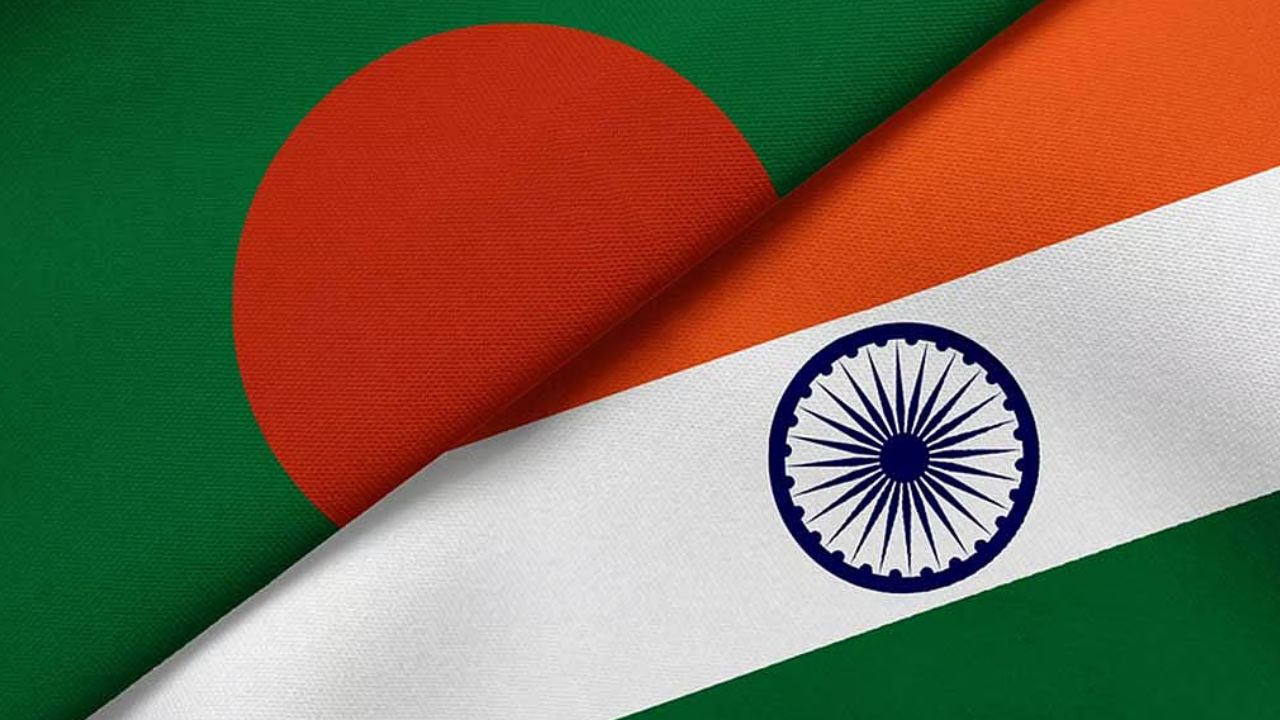
“The US has not yet taken any official position on this issue. We understand that the issue has become a major cause of hostility between India and Bangladesh. So we hope that they will reach a solution through discussions among themselves. And we have not yet specified what should happen to Hasina,” the official said.
Asked how Bangladesh could maintain relations with Washington, New Delhi and Beijing without being pressured to choose sides, the official stressed respect for national sovereignty.
“Geographically, Bangladesh is in a complex part of the world… We always encourage every country to stay in their sphere. We want to help you consolidate your sovereignty; we want to help you keep your system secure. We want to present an alternative. We’re not saying you have to choose; we want to be an alternative for these countries,” the official said.
In response to a question from this reporter about the possibility of a direct meeting between US President Donald Trump and Prime Minister Tarique Rahman, the official declined to comment on the president’s schedule, referring the matter to the White House.
The official, however, noted that Trump had met Foreign Minister Khalilur Rahman briefly during the week.
“Not every foreign minister got to have a meeting and a photo with the president,” the official said.
The official also said US Secretary of State Marco Rubio had met Rahman in Manila “last month or a month and a half ago” during an ASEAN-related engagement.
“And so those touchpoints have been happening, and I can’t tell you what’s on the schedule coming up, but I imagine there’ll be more opportunities for them to meet,” the official said.
Earlier, Bethany Morrison, deputy assistant secretary at the US Department of State Bureau of South and Central Asian Affairs, outlined the administration’s broader regional policy objectives in South Asia and held discussions with visiting press delegations.