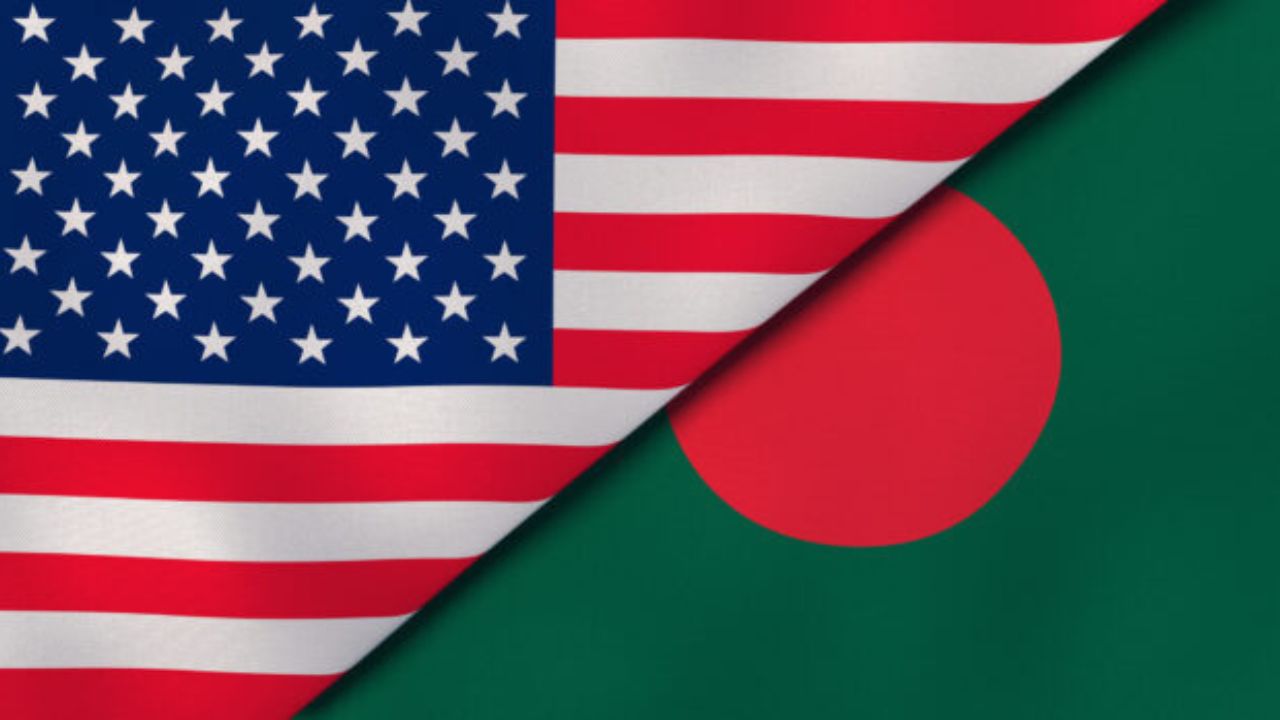



Bangladesh has substantially increased its purchases from the United States, with aircraft, LNG, wheat, soy, and other products creating a growing commercial relationship between the two countries.
The expansion of bilateral trade raises a question for Dhaka: how can it convert its growing commercial engagement with Washington into greater leverage in negotiations on issues important to Bangladesh?
The issue has become particularly relevant following the signing of the US-Bangladesh Agreement on Reciprocal Trade (ART) in February. Under the agreement, Bangladesh committed to expand market access for a range of US goods and facilitate purchases of American aircraft, energy, and agricultural products. The agreement also maintains a 19 per cent US reciprocal tariff on Bangladeshi imports, with certain products eligible for a zero per cent reciprocal tariff.
Bangladesh has since made several major commercial commitments. Biman Bangladesh Airlines has placed orders for a total of 25 Boeing aircraft this year – 14 in April and another 11 announced in New York on Wednesday.
The ART also includes Bangladesh’s commitment to facilitate purchases of US energy, including long-term LNG offtake agreements estimated at $15 billion over 15 years, as well as purchases of US agricultural products, including wheat, soy, soy products, and cotton.
Against this backdrop, Bangladesh needs to use its growing commercial engagement with the United States to secure wider economic and diplomatic benefits.

Former Bangladesh ambassador Mahbub Hassan Saleh said Dhaka needs to move beyond handling aircraft purchases, LNG imports and other transactions separately and develop a coordinated negotiating strategy with Washington.
“These need to be considered as part of a single commercial relationship with the United States. Bangladesh needs a whole-of-government approach in negotiating with Washington,” he told TIMES.
He said a central mechanism should assess the overall bilateral relationship and identify areas where Bangladesh could use its commercial and political leverage to secure reciprocal benefits.



“A single entity must assess the bilateral relationship and identify the country’s political and commercial leverage to get the benefit of the relationship,” he added.
What does Bangladesh want?
For Dhaka, several issues could form part of a broader negotiating agenda with Washington.
These include establishing a direct Dhaka-New York air link, securing financing from the US International Development Finance Corporation (DFC), obtaining zero reciprocal duties for qualifying ready-made garment and textile products, and facilitating the visa process for Bangladeshi travellers and businesspeople.
Bangladesh could also seek greater US support for investment, technology transfer, infrastructure and market access as purchases of American goods and services increase.
The challenge, however, is to avoid treating each transaction separately.
The purchase of aircraft, LNG, agricultural commodities and other US products is being handled by different ministries, agencies and state-owned entities. Without coordination, the commercial value of those transactions may not automatically translate into broader negotiating leverage.
A central mechanism could therefore assess Bangladesh’s overall commercial relationship with the United States, identify its priorities and coordinate negotiations across ministries and agencies.
25 Boeing aircraft
Biman Bangladesh Airlines announced on 23 September that it had ordered another 11 Boeing aircraft – five 787-10 Dreamliners and six 737-8 jets.
The latest order follows Biman’s purchase of 14 Boeing aircraft in April, bringing its total Boeing order book from the two agreements to 25 aircraft.
The April agreement included eight 787-10s, two 787-9s and four 737-8s.
Boeing said the additional order would support Biman’s fleet renewal and international network expansion.
The September agreement was signed in New York on the sidelines of Prime Minister Tarique Rahman’s visit for the 81st session of the United Nations General Assembly, in the presence of senior Bangladeshi and US officials.
The two Boeing agreements illustrate the scale of Bangladesh’s commercial engagement with the United States.
The broader question for Dhaka is how such purchases can be integrated into a coherent economic and diplomatic strategy so that increased commercial engagement produces tangible gains across Bangladesh’s wider interests with Washington.