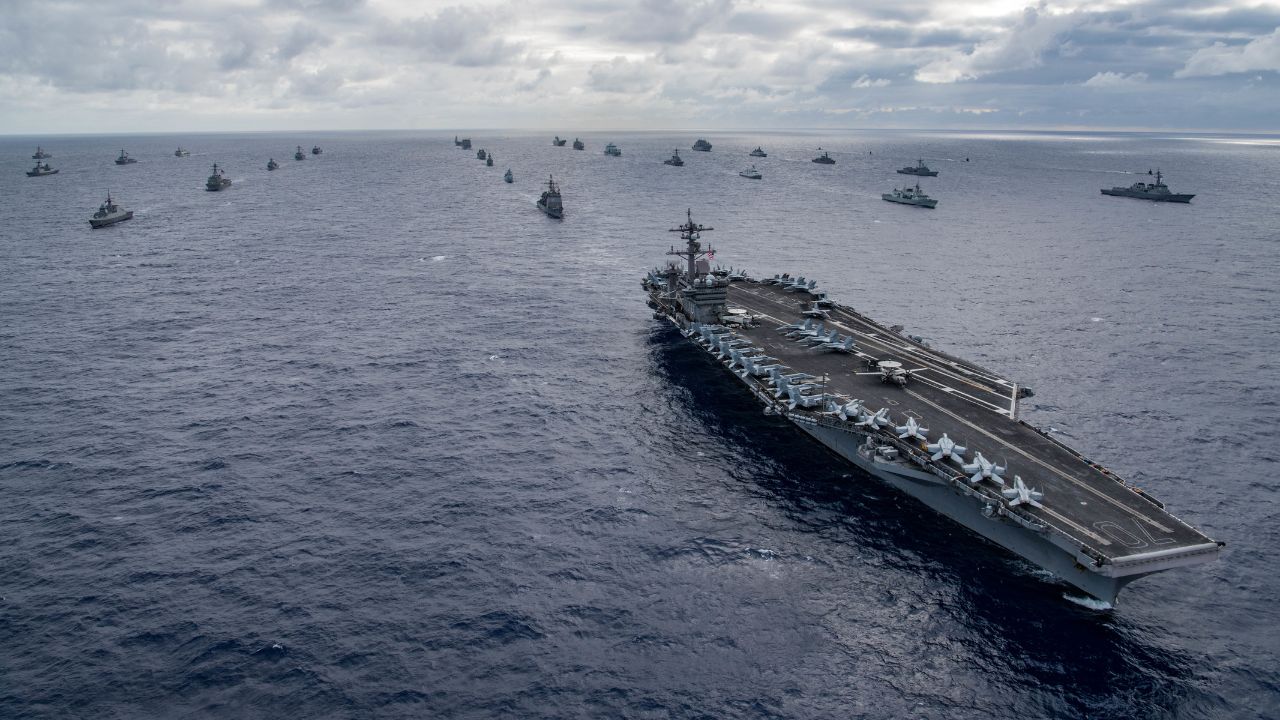



The United States Pacific Fleet stands as the world’s largest naval command, overseeing a staggering 100 million square miles that encompass nearly half of the Earth’s surface.
While the Navy’s history in the Pacific spans more than a century and a half, its current force provides a continuous presence from the frozen reaches of the Arctic Circle to the vast expanse of Antarctica, and from the American West Coast to the western shores of India.
At the heart of this massive operation is a force of approximately 200 ships and submarines, including six assigned aircraft carriers, supported by 1,500 aircraft and a combined team of 150,000 sailors and civilians.
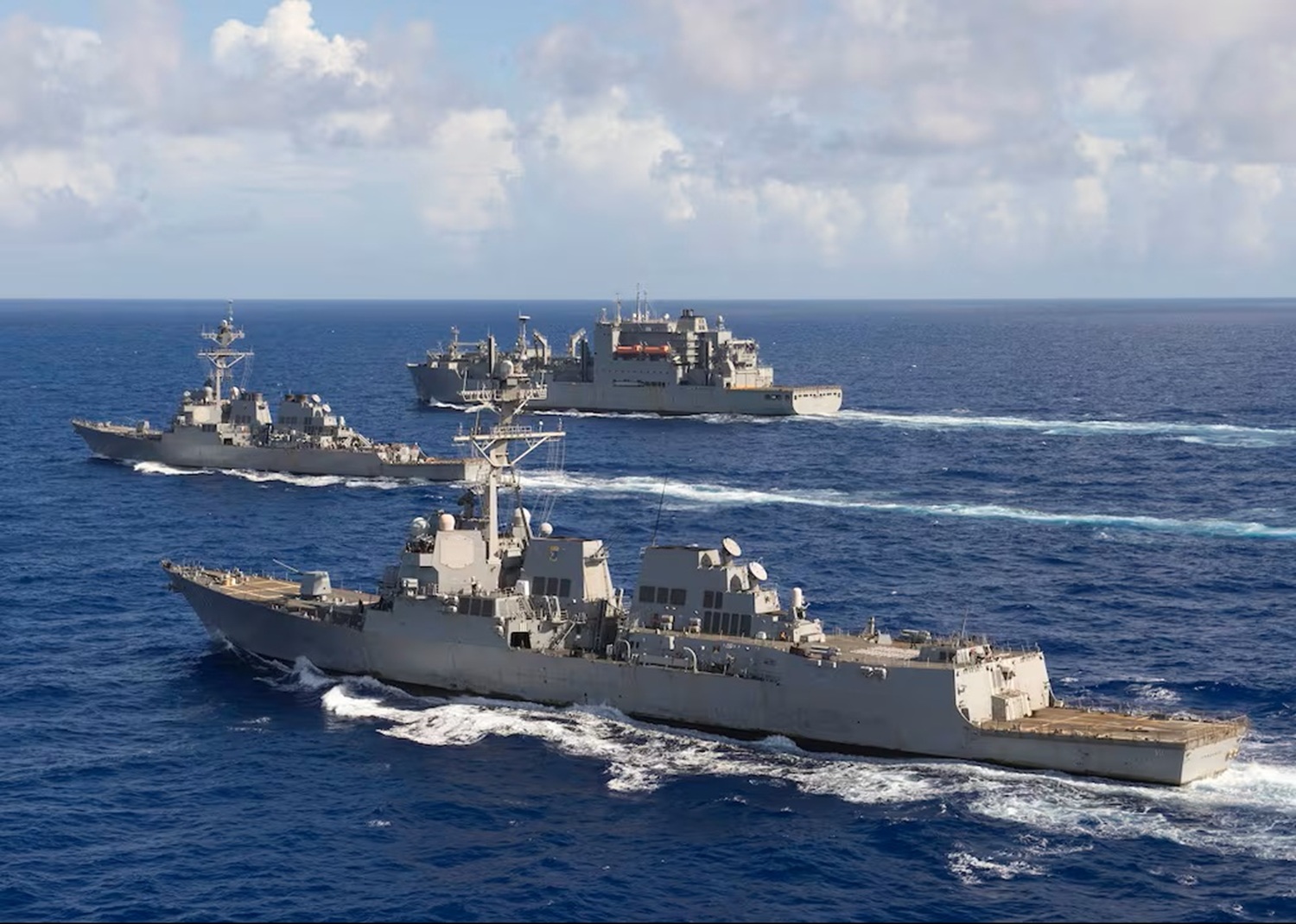
Under its current organization, the US Pacific Fleet staff reports administratively to the Chief of Naval Operations and operationally to the US Pacific Command, which is headquartered at nearby Camp HM Smith.
The fleet’s operational reach is divided into two primary commands: the Third Fleet, overseeing the Eastern Pacific, and the Seventh Fleet, managing the Western Pacific and Indian Ocean.

Additionally, the command includes specific “type” commands for surface ships, submarines, aircraft, and Navy construction.
This immense structure ensures freedom of the seas in a region that accounts for 60% of global GDP and 50% of the world’s population, protecting sea lanes where one-third of the world’s bulk cargo transits.




Leadership and historical legacy
Leading this strategic enterprise is Admiral Stephen “Web” Koehler, a veteran naval aviator who assumed command on April 4, 2024, at the fleet’s historic headquarters in Pearl Harbor, Hawaii.
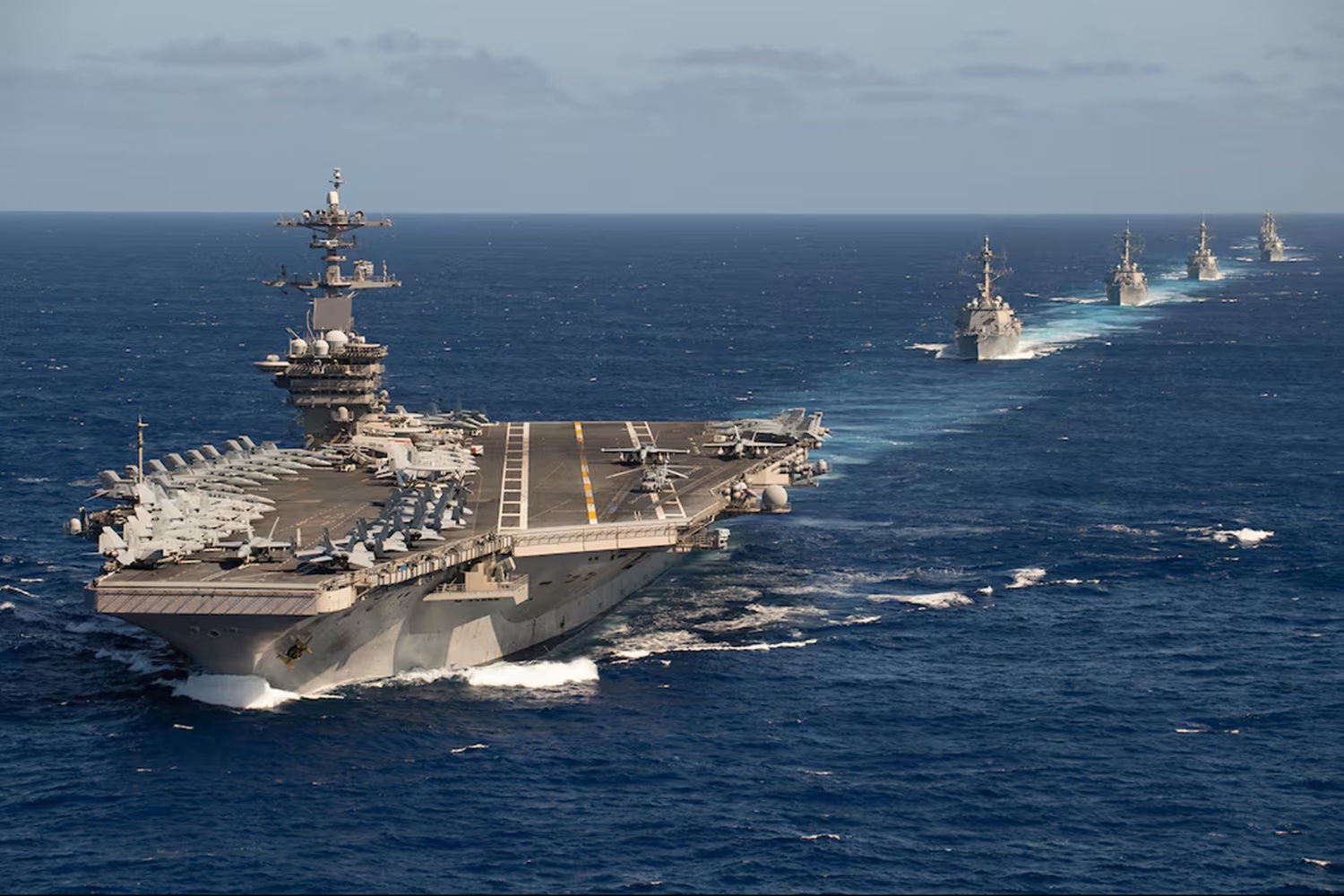
Admiral Koehler serves as the 38th commander since the Pearl Harbor headquarters was established in February 1941. He follows in the footsteps of legendary naval giants such as Fleet Admiral Chester Nimitz and Admiral Raymond Spruance.
A physics graduate, Koehler has logged more than 3,900 flight hours and 600 arrested carrier landings, bringing technical expertise to the fleet’s modern challenges.
High-tech data revolution
Under Koehler’s guidance, the fleet is spearheading a “data revolution” designed to maintain a decisive warfighting advantage.
By integrating artificial intelligence with commercial cloud infrastructure and data fabrics, the command aims to achieve “battlespace clarity,” creating a symbiosis between human commanders and automated systems to make superior decisions faster than any adversary.
This modern doctrine focuses on distributed maritime operations, ensuring the fleet remains surge-ready and lethal even in highly contested electromagnetic environments where radio frequencies may be compromised.
Global alliances and the future of security
Strategic dominance is reinforced through a deep network of international alliances, including the AUKUS partnership and trilateral coordination with Japan and South Korea.
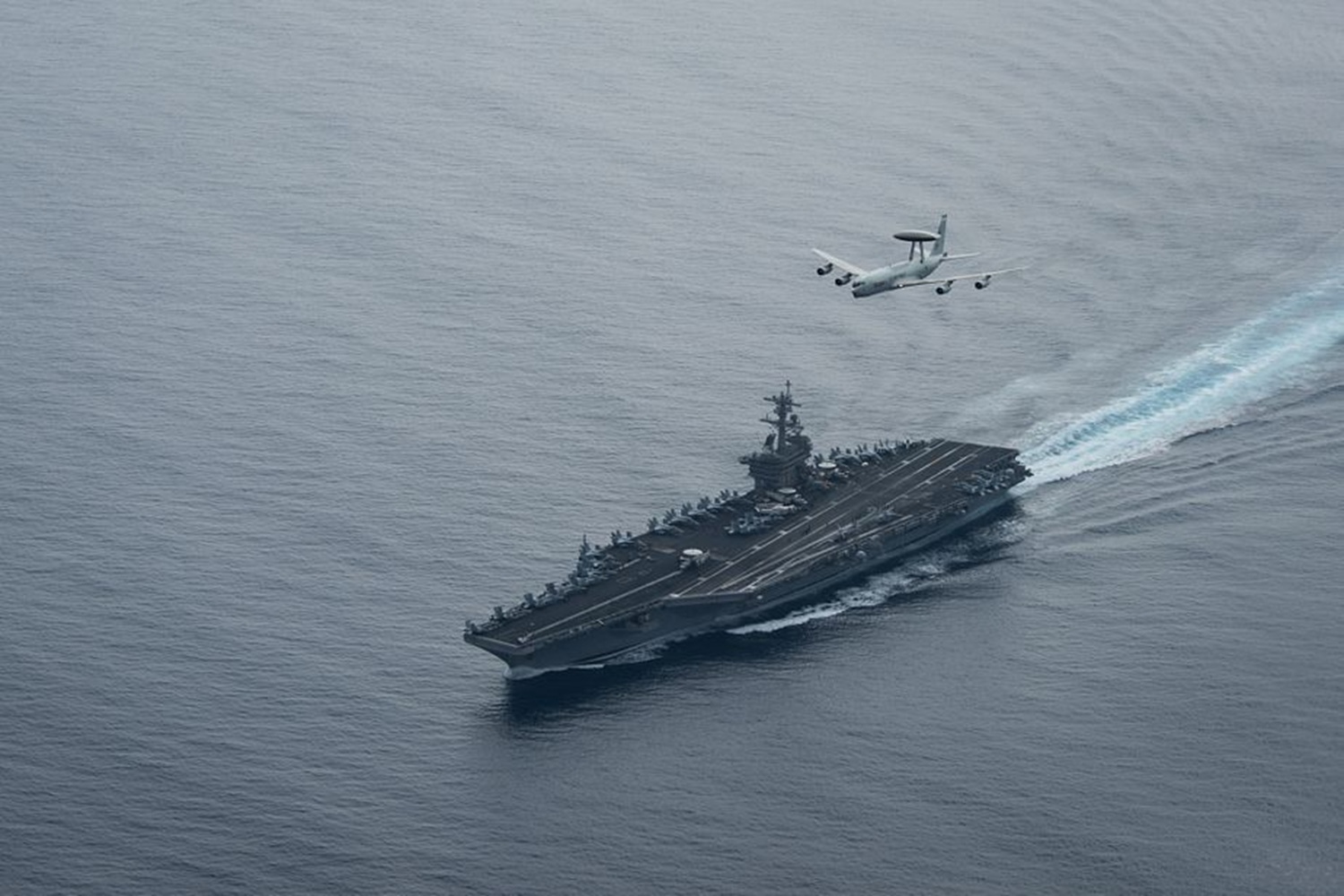
These partnerships are cemented through massive training events such as RIMPAC, the world’s largest international maritime exercise; in 2026, this event involved 30 nations and served as a premier testing ground for uncrewed surface vessels and autonomous underwater systems.
The fleet’s operational reach is further enhanced by specialized units such as the 31st Marine Expeditionary Unit in Okinawa – the only continuously forward-deployed force of its kind – and Beachmaster Unit 1, which manages the critical transition of forces from sea to shore.
As the regional landscape evolves, the Pacific Fleet continues to integrate next-generation electronic warfare platforms and hypersonic weapons to deter threats and preserve international law.