British High Commissioner to Bangladesh Sarah Cooke has highlighted the complex realities facing the country’s media landscape, citing legal restrictions, political and commercial pressures, misinformation, and concerns regarding journalists’ safety and professional independence.
Speaking at a special event titled “PIMHIE Learning Sharing: From Policy Reform to Newsroom Practices” at The Westin Hotel in Dhaka on Tuesday, Cooke emphasised that the UK is committed to working closely with Bangladesh to foster a responsible, credible, and free media environment.
She stated that creating a vibrant and accountable media sector requires an inclusive environment where journalists receive legal protection and regulatory bodies operate entirely independently.

The event was organised by BBC Media Action under the Public Interest Media and Healthy Information Environments (PIMHIE) project, which is funded by the UK’s Foreign, Commonwealth and Development Office (FCDO).
The programme showcased achievements and future steps in media reform, ethical journalism, and safe newsroom practices over the past 15 months.
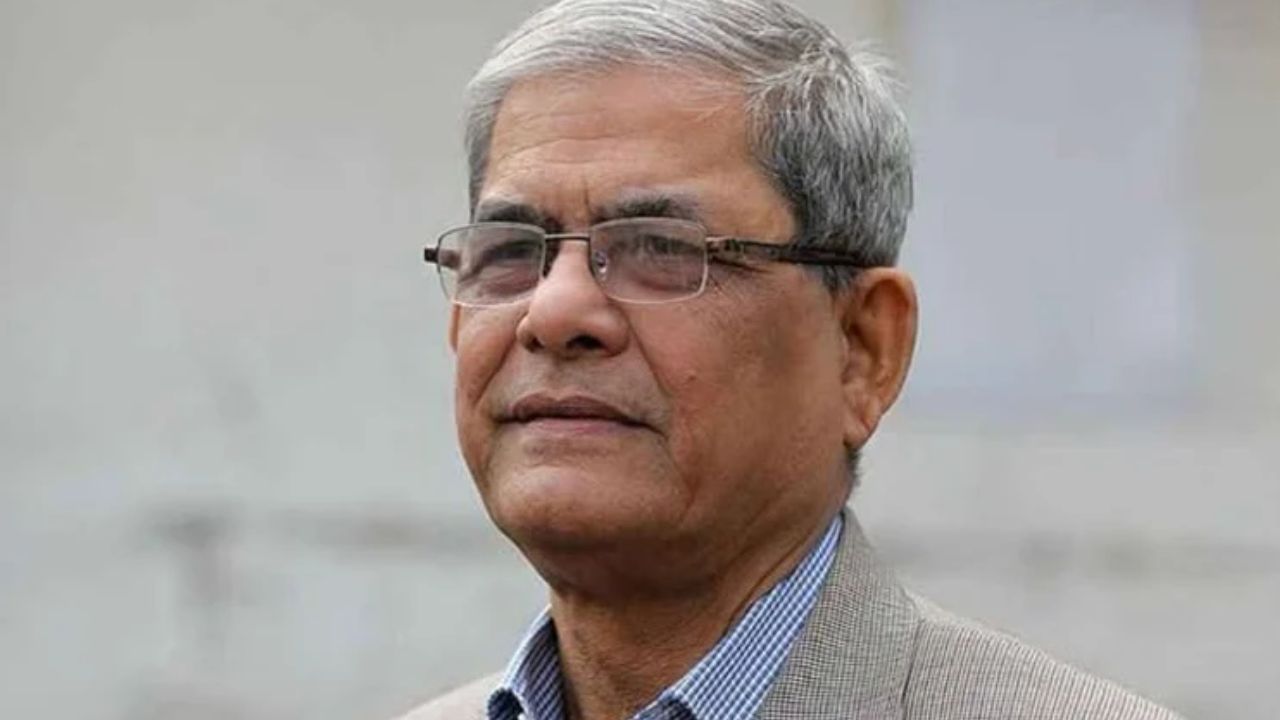


At the event, Information and Broadcasting Minister Zahir Uddin Swapon affirmed the government’s commitment to inclusive media reform and announced the formation of an advisory committee to consolidate stakeholder input for final policy proposals.
He described media reform as a “joint responsibility” of the government, media, development partners, and civil society.
Prime Minister’s Policy and Strategy Adviser Zahed Ur Rahman reinforced this stance, assuring attendees that the current administration would not enact laws restricting freedom of expression.
He noted that ensuring a safe and supportive environment for journalists is “the need of the hour” in a democratic environment.
Offering a measured perspective, Kamal Ahmed, Head of the Media Reform Commission during the interim government, observed that while the current government’s actions over the past three months have been positive, “there is still a long way to go.”
He further cautioned against the concentration of media ownership, questioning whether outlets would serve the public interest or become tools for “oligarchs.”