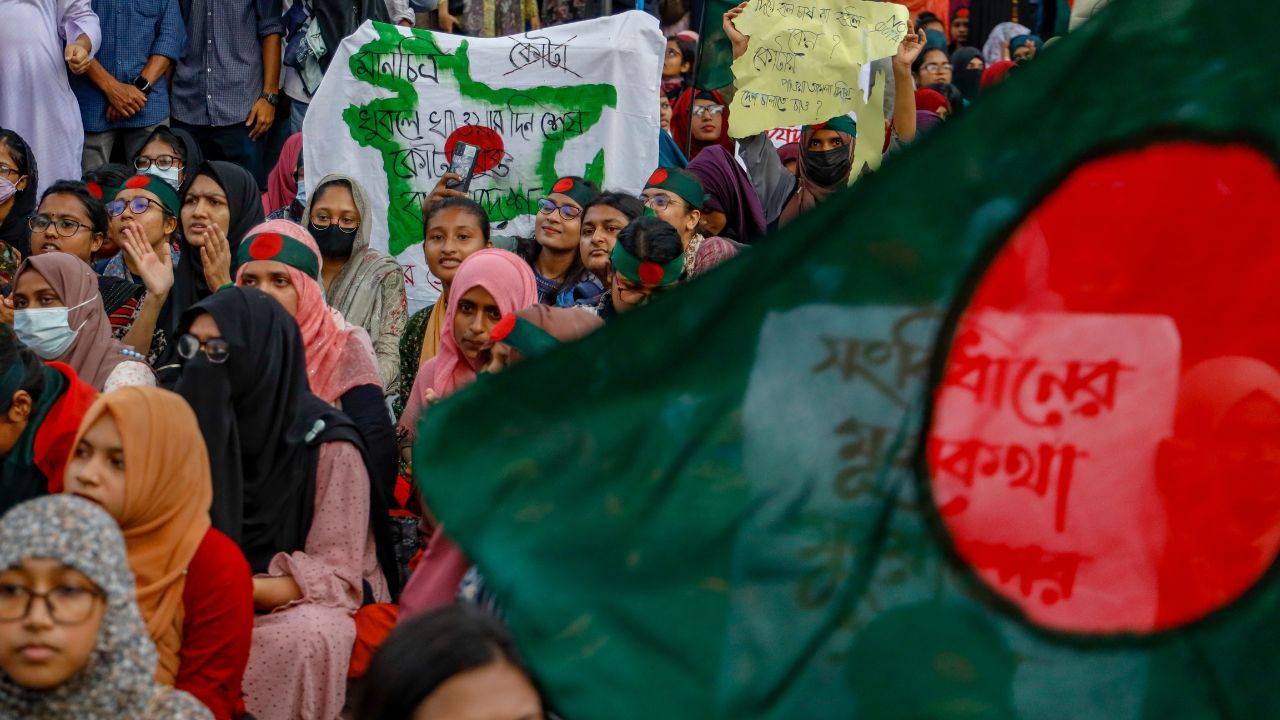
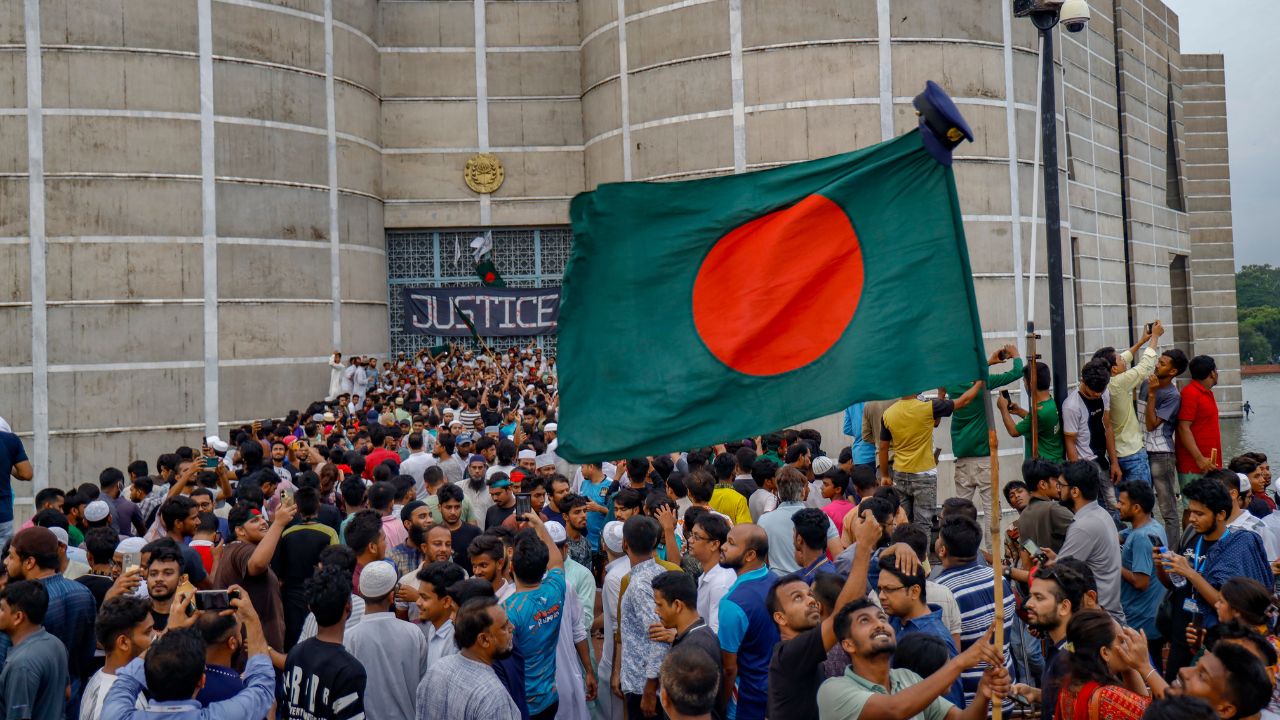



BNP Secretary General Mirza Fakhrul Islam Alamgir’s assessment that nothing has changed in the two years since the mass uprising closely reflects the sentiments expressed by ordinary people, business leaders, teachers and thousands who actively took to the streets during the July-August movement.
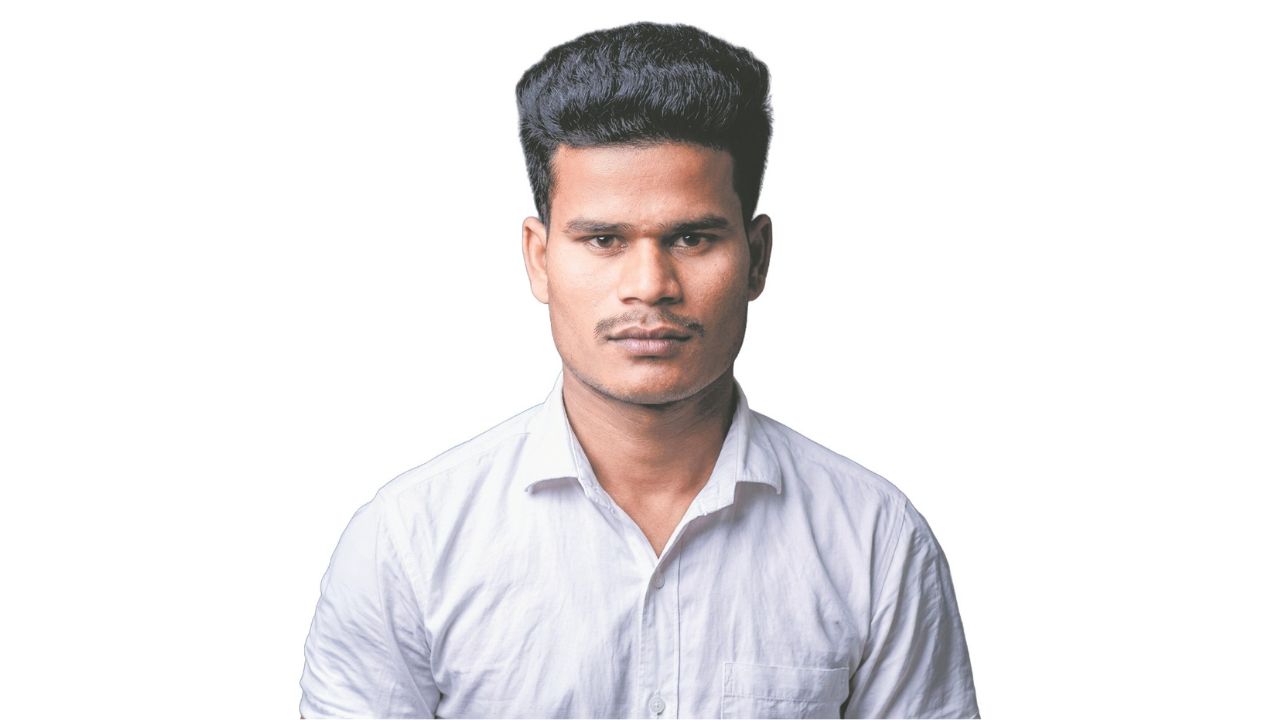
Lamia Raihan, whose image went viral after she was attacked by Chhatra League activists in July 2024, told TIMES of Bangladesh, “The dream of building a Bangladesh free from discrimination, corruption and extortion remains largely unfulfilled.”
She said, “Because a particular group has confined the uprising to itself, ordinary people have also lost interest in it.”
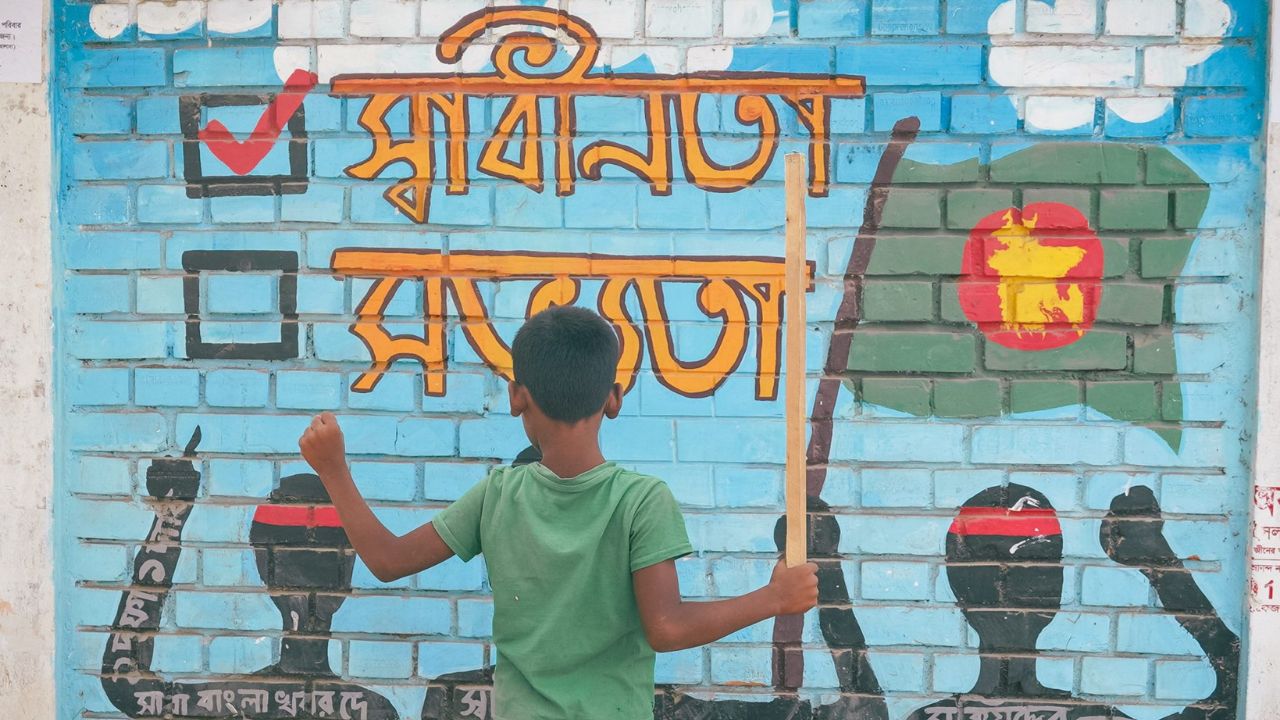
The 2024 mass movement began over quotas in government jobs. However, people had already become deeply frustrated by the discrimination, injustice and misconduct prevailing in society, the state and politics. Together, these factors gave rise to a historic mass uprising, which many immediately described as a revolution.
Many now say that, two years later, the disappointment expressed by Mirza Fakhrul and Lamia reflects a much broader sense of broken public expectations.
Reform agenda fades
After assuming office following the mass uprising, the interim government established 11 commissions to reform the country’s system of governance. Six of the commissions submitted their reports.

However, the government did not proceed with the report of the Women’s Affairs Reform Commission. Recommendations submitted by the commissions on health, policing, the Anti-Corruption Commission, public administration and labour have also disappeared from public discussion.
Over the past two years, the Yunus government has made no attempt to implement any of their major recommendations.
Analysts say people had expected prices of essential commodities to come under control, extortion and land grabbing to end, political tolerance to improve, the rule of law to be restored and reforms to be introduced in education, healthcare and public administration. They had also expected everyone, regardless of gender, to advance on merit.

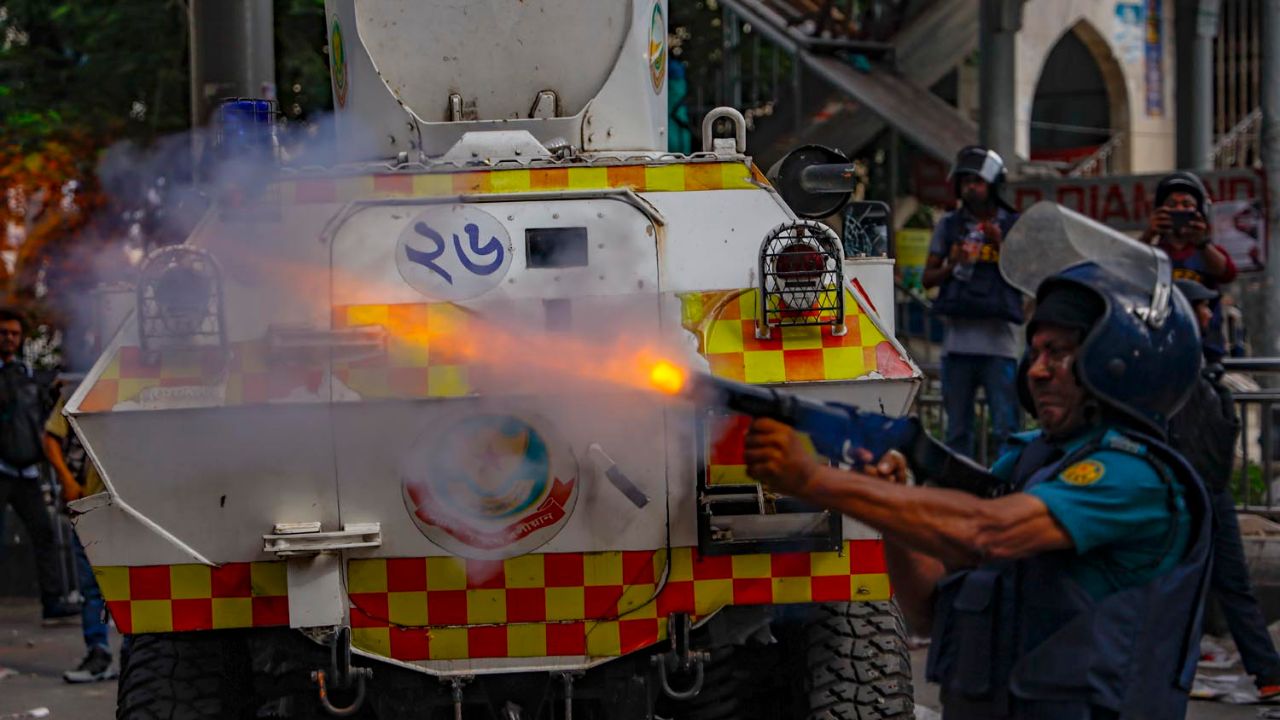

Instead, this July alone, the National Citizen Party (NCP), formed by leaders of the mass uprising, came under repeated attacks. Complaints were also filed against its leaders at police stations.
Karim Uddin, a grocery shopkeeper in Mirpur, Dhaka, said, “We thought the movement would make essential goods more affordable. But the prices of rice, lentils and cooking oil have not fallen—they have gone up instead.”
Roksana Akter, a homemaker from Old Dhaka, offered an assessment almost identical to that of Mirza Fakhrul.
“The situation is exactly the same as before. To ordinary people, every government is the same,” she said.
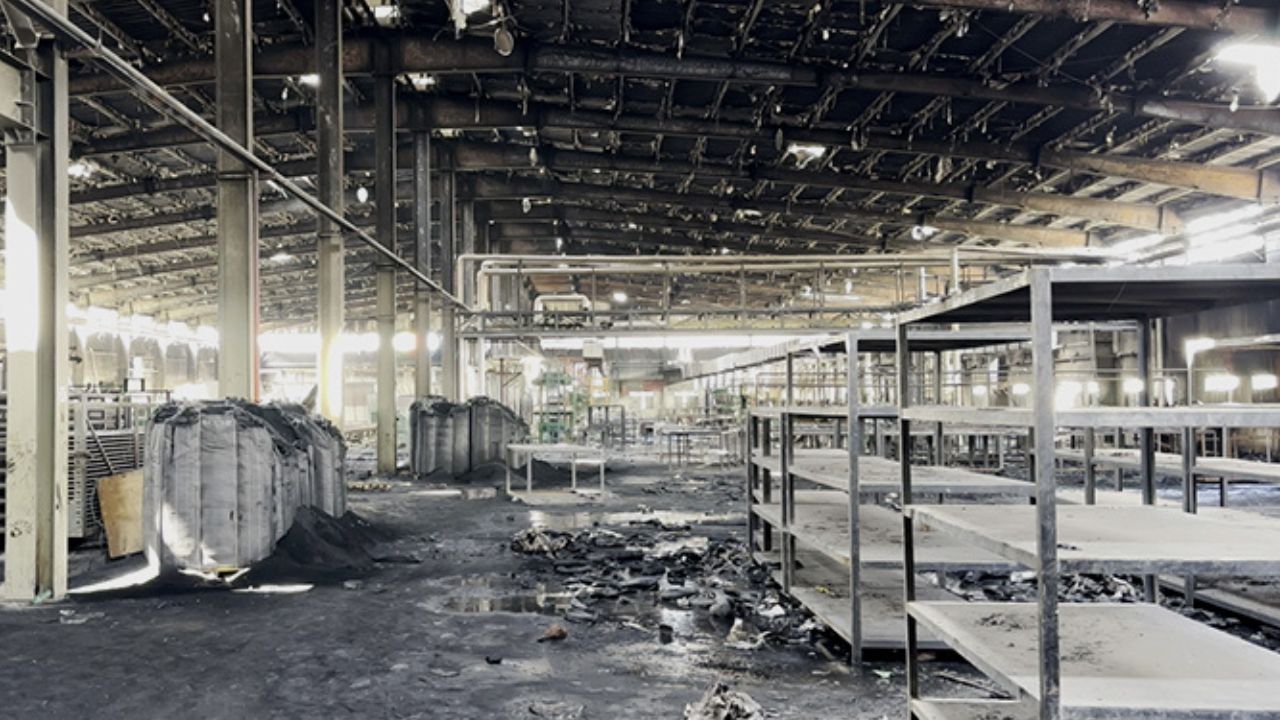
During this period, hundreds of factories have closed for various reasons, while hundreds of thousands of people have lost their jobs despite promises of creating a wave of employment. As a result, rising prices have placed an even heavier burden on households.
Rickshaw puller Abdul Jabbar from the capital said, “The hopes that brought us onto the streets have not been fulfilled. The same harassment by the police and administration continues.”
Prices, law and order top concerns
A survey by the economic think tank Power and Participation Research Centre (PPRC) found that the rising cost of living was the biggest concern for nearly 70 per cent of households in the country.
Education costs, declining incomes and business difficulties also ranked among people’s principal worries.
According to the World Bank, the national poverty rate rose from 18.7 per cent in 2022 to 21.4 per cent in 2025. During the same period, another 1.4 million people fell into poverty.
Concerns over law and order have also intensified. Human Rights Watch said that although the interim government had initiated some reforms, incidents of mob violence had increased.
A survey by the BRAC Institute found that 80 per cent of respondents regarded mob violence as a serious concern.
The rise in the rape of women and children has also attracted widespread attention during this period. Sixty-one per cent of respondents said they felt unsafe travelling at night, while 56 per cent believed the security situation for women had deteriorated.
Rahima Begum, a resident of Narayanganj, said, “I am still afraid to let my daughter go to school alone. We were told women’s safety would improve, but the same fear remains whenever she goes out.”
Imran Hossain from Chattogram said, “The tendency to label and harass people for expressing different opinions has not diminished. If anything, it has become worse.”