


An indefinite transport strike called in Chuadanga over alleged attacks on workers, road blockades and illegal movement of battery-run easy bikes has been withdrawn for three days following an initiative by local leaders.
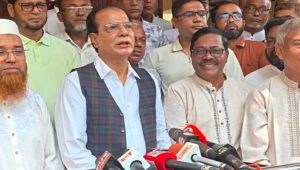
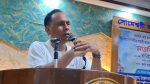
Transport owners and workers’ organisations decided to suspend the strike on Monday night after Chuadanga BNP General Secretary and Chuadanga District Council Administrator Md Sharifuzzaman Sharif called for a resolution of the dispute.
According to the decision, all bus services, including long-distance routes, resumed from Tuesday morning.
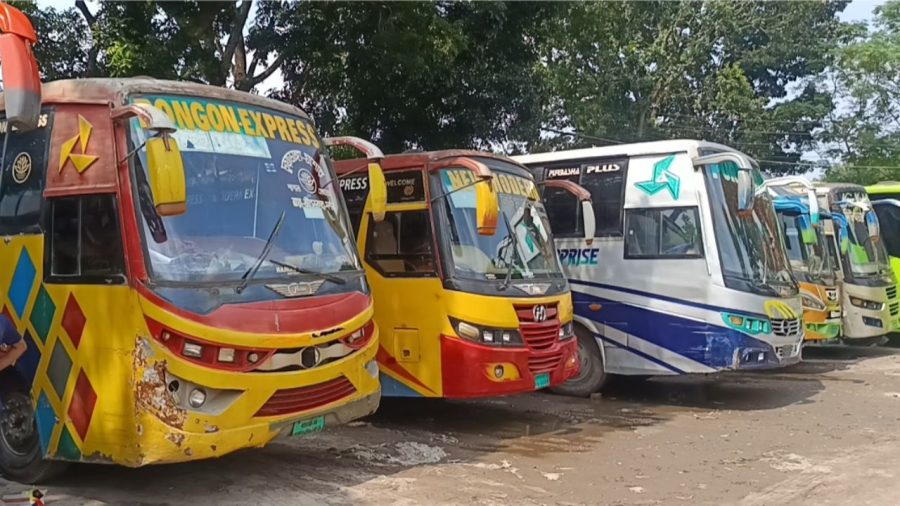
Earlier on Monday, workers of the Chuadanga Motor Workers’ Union and bus drivers began an indefinite strike from 6am, suspending bus services on five inter-district local routes. The workers alleged that local bus workers were attacked and assaulted following a dispute with three-wheeler easy bike and battery-run van drivers in Fakirpara area of Damurhuda Upazila.
They also alleged that buses were blocked on highways using barricades and several vehicles were held up. The workers claimed that the situation continued for nearly five hours but the administration failed to take effective action. Protesting the incident, they halted bus movement on the five routes from Monday morning.

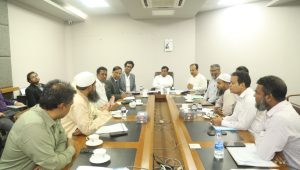
A special meeting of the Chuadanga Inter-District Bus-Minibus Owners’ Group was held at noon on Monday to discuss the allegations of attacks on transport workers, blocking of buses on highways and illegal movement of easy bikes.
At the meeting, the organisation decided that if the issue was not resolved, all long-distance bus services from Chuadanga would also be suspended indefinitely from Tuesday morning.
However, later, discussions were initiated with the concerned parties following Sharifuzzaman Sharif’s intervention. The transport organisations subsequently announced the withdrawal of the strike through public announcements in the city.



Transport leaders said the dispute centred around three demands: taking action against those involved in attacks on transport workers, preventing buses from being stopped on highways and taking effective measures to stop illegal easy bike movement on highways.
The latest dispute follows an incident on 27 August in Daulatdiar area of Chuadanga town, when police and representatives of the bus workers’ union stopped an easy bike driver from entering the town in violation of rules.
Later, the driver allegedly gathered supporters in Alokdia area and blocked a bus on the Chuadanga–Meherpur regional highway. The driver and supervisor were allegedly assaulted, the bus was vandalised and they were held captive before police rescued them.
Following the incident, workers suspended bus services on five internal routes. The strike was later withdrawn after intervention by the district administration.
The Monday strike caused significant inconvenience to passengers from the morning. Many were forced to use battery-run easy bikes, vans and other small vehicles, increasing both travel time and costs.
Passenger Aminul Islam said, “I came to the bus station in the morning and found that buses were suspended. I had urgent work outside, so the easy bike was my only option. The fare is higher than buses and it also takes more time for long journeys. If workers have any issues, they should be resolved through discussions so that ordinary people do not suffer.”
Another passenger, Taslina Nasrin, said travelling with family members became difficult due to the suspension of bus services.
“Travelling long distances by easy bike costs more and takes more time. Women, children and elderly passengers face even greater difficulties. The concerned parties should resolve the issue through discussions quickly,” she said.
Passenger Abdur Rahman said, “We have to use battery-run easy bikes because buses are not operating. This is increasing both time and expenses. If bus services remain suspended, ordinary passengers will suffer more.”
With the withdrawal of the strike, bus services on Chuadanga’s five internal routes have returned to normal, while concerns over a possible suspension of long-distance services have also eased.
However, resolving the transport workers’ three demands and finding a permanent solution to the dispute will depend on further discussions among the relevant authorities and stakeholders.