


The University Grants Commission (UGC) is reassessing first-phase research subprojects under the Higher Education Acceleration and Transformation (HEAT) project to ensure timely completion, quality outcomes and proper use of funds.
The initiative is aimed at reviewing progress, identifying implementation problems and challenges, providing necessary guidance and ensuring both research quality and prudent spending.
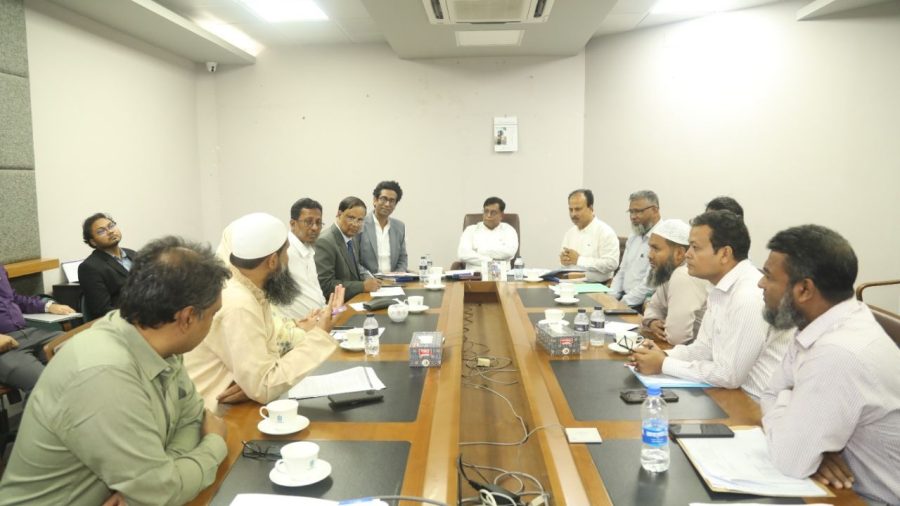
UGC Chairman Mamun Ahmed made the remarks on Wednesday during a review meeting on the progress of six HEAT research subprojects being implemented at Jashore University of Science and Technology.
He said that where a subproject faced unclear planning, implementation difficulties or other shortcomings, the UGC would work with the relevant university and researchers to redesign the project, rationalise budgets, determine necessary equipment and revise the scope and timeline where needed.
People experienced in research management and implementation would also be involved in the process, he added.
Mamun said research subprojects under the HEAT project’s Accelerating Transformation Fund component at universities across the country would be reviewed in phases.
If problems emerged during implementation, he said, responsibility should not fall solely on the principal investigator. Instead, the UGC and the university concerned should jointly identify the causes and work towards solutions.

After reviewing the six subprojects at Jashore University of Science and Technology, Mamun said each project must be completed to the required standard within the stipulated timeframe and achieve its intended objectives.
Projects facing difficulties or complications would be identified and provided with necessary guidance and support, he said.
The UGC was working closely to ensure that scheduled activities under the HEAT project were completed on time, he added, calling on universities to extend maximum cooperation and commitment to ensure successful implementation.
The UGC chairman also stressed the need to ensure the rational and maximum use of research funds.



He warned that purchasing unnecessary items in the name of research and repeatedly procuring similar equipment under multiple subprojects at the same university could lead to a waste of resources.
Research funds, he said, must therefore be spent responsibly, on the basis of actual need and with a clear focus on results.
“Research should continue, but we have to move away from the culture of buying unnecessary things in the name of research,” Mamun said.
“We want to ensure the relevance and effectiveness of research. Research must serve the country and help solve real problems. We want research funds to be spent meaningfully.”
He urged researchers to prepare clear, realistic and well-justified project proposals.
Project equipment and budgets should be determined by considering the necessity of the research and its likely outcomes, he said.
Avoiding duplication in the purchase of similar equipment would help make better use of limited resources and allow more research activities to receive funding, he added.
“Spending the project money is not the important thing. The money must be spent responsibly and meaningfully,” Mamun said.
The UGC is also moving to formulate a central procurement plan to prevent repeated purchases of similar equipment under different HEAT research subprojects.
Mamun said the commission would collect, scrutinise and coordinate universities’ requirements so that necessary research equipment could be procured collectively where appropriate.
A central procurement committee comprising people experienced in procurement and audit management would be formed for this purpose.
He said many universities had a tendency to purchase similar research equipment repeatedly, raising the risk of waste and limiting opportunities for coordinated use of research infrastructure.
Central verification and coordination of demand could significantly reduce such duplication, he said.
Mamun also emphasised creating opportunities for nearby universities to share laboratories, equipment and existing research facilities when necessary.
However, universities would still be allowed to procure some equipment independently when there was an urgent and essential need, he said.
One of the key objectives of the initiative, he added, was to reduce the time researchers spend on procurement complications and administrative procedures so they could focus more on their core research work.
UGC Public University Management Division member Abdullah Al-Mamun, Finance, Accounts and Budget Division member Md Aslam Hossain, Jashore University of Science and Technology Vice-Chancellor Yarul Kabir, HEAT Project Director Asaduzzaman, principal investigators of the subprojects and officials of the UGC and HEAT project attended the meeting.