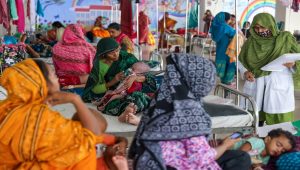
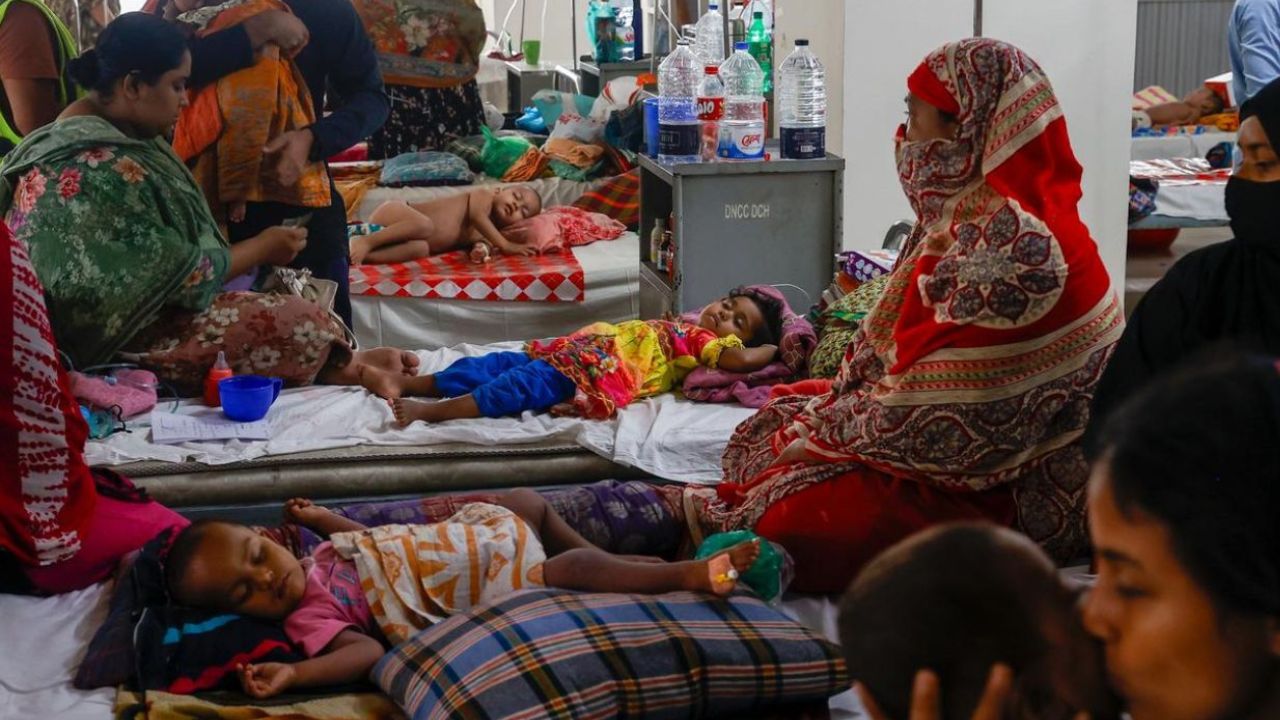
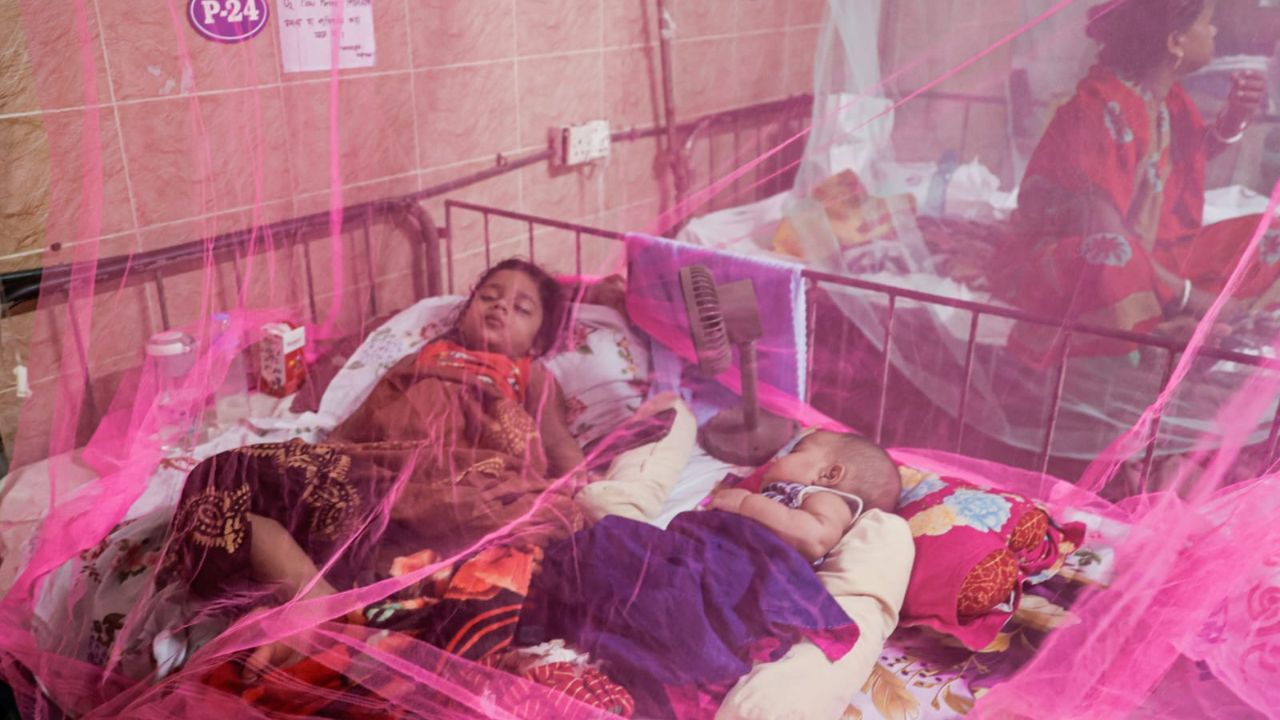
The government started a nationwide special measles vaccination campaign on Sunday as infections surge among children and deaths continue to rise, raising public health concerns.
The programme, beginning at 9am, prioritises the worst-affected areas as authorities link the outbreak to gaps in routine immunisation.
According to the Directorate General of Health Services (DGHS) data released on Saturday, 787 suspected measles cases were recorded across the country in the past 24 hours alone.
Since 15 March, a total of 6,476 suspected cases have been identified, with 98 deaths reported showing measles-like symptoms.
Officials say the campaign is an urgent response to contain the outbreak.
In its initial phase, the programme is being rolled out in 30 upazilas across 18 districts identified as high-risk zones.
The campaign primarily targets children aged between six months and under five years, although measles vaccines are typically administered to those aged nine to 15 months under routine schedules.
Authorities had initially indicated that children up to 10 years old could be included, but the current focus is on younger age groups most at risk.

The government is being supported by Gavi, the Vaccine Alliance, which has provided 21.9 million doses of measles vaccine along with syringes.
The supplies were distributed to upazila-level facilities earlier in the week to ensure immediate rollout.
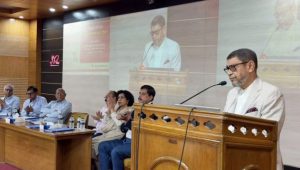
Senior government officials will formally inaugurate the programme simultaneously in different regions.
Health Minister Sardar Md Sakhawat Hossain will launch the campaign in Nawabganj in Dhaka district, while Home Minister Salahuddin Ahmed will attend an event in Cox’s Bazar.
State Minister for Health MA Muhith will inaugurate activities in Pabna Sadar, and Health Secretary Md Kamruzzaman Chowdhury will oversee the launch in Gazipur.

BNP Chairperson’s health adviser Ziauddin Haider will also attend an event in Nalchity, Jhalakathi.
The health minister said the authorities aim to complete the initial phase of the campaign by 21 May, ahead of Eid-ul-Azha.
He added that the programme would gradually be expanded nationwide depending on the severity of the outbreak and preparedness on the ground.
Although launched as an emergency measure, officials say the campaign could be integrated into routine immunisation efforts in the future.
The government has also allocated Tk604 crore to procure additional vaccines.
Once those supplies arrive, the doses received from Gavi will be returned, officials said.
The DGHS has identified specific areas for immediate vaccination based on expert recommendations.
In Dhaka division, the campaign is covering Nawabganj, Munshiganj municipality and sadar, Srinagar and Louhajang, Jazira in Shariatpur, Madaripur municipality and sadar, and Gazipur Sadar.
In Mymensingh division, vaccinations are under way in Mymensingh Sadar, Trishal and Tarakanda, as well as Atpara in Netrokona.
In Rajshahi division, the programme includes Godagari in Rajshahi, Natore municipality and sadar, Porsha in Naogaon, Chapainawabganj municipality and sadar, Shibganj and Bholahat, and several areas in Pabna including municipality, sadar, Ishwardi, Bera and Atgharia.
In Chattogram division, vaccinations are being conducted in Chandpur municipality, sadar and Haimchar, as well as Maheshkhali and Ramu in Cox’s Bazar.
In Khulna division, Jashore municipality and sadar have been selected, while in Barishal division, the campaign covers Bakerganj and Mehendiganj in Barishal, Nalchity in Jhalakathi, and Barguna municipality and sadar.
Health officials said children with fever or other illnesses would not be vaccinated immediately.
Those showing symptoms of measles, or already infected, will instead receive vitamin A capsules as part of treatment.
Experts say vitamin A can help reduce complications and improve recovery outcomes in measles cases.
The health minister also reassured parents about vaccine safety.
“Even if the vaccine is given twice, it does not cause harm. There are no side effects,” he said.
Public health experts warn that the recent spike in cases highlights gaps in immunisation coverage and the risks posed by disruptions to routine vaccination programmes.
They say rapid containment through targeted immunisation will be critical to preventing further spread, particularly among young children who are most vulnerable to severe complications.