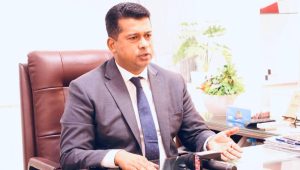
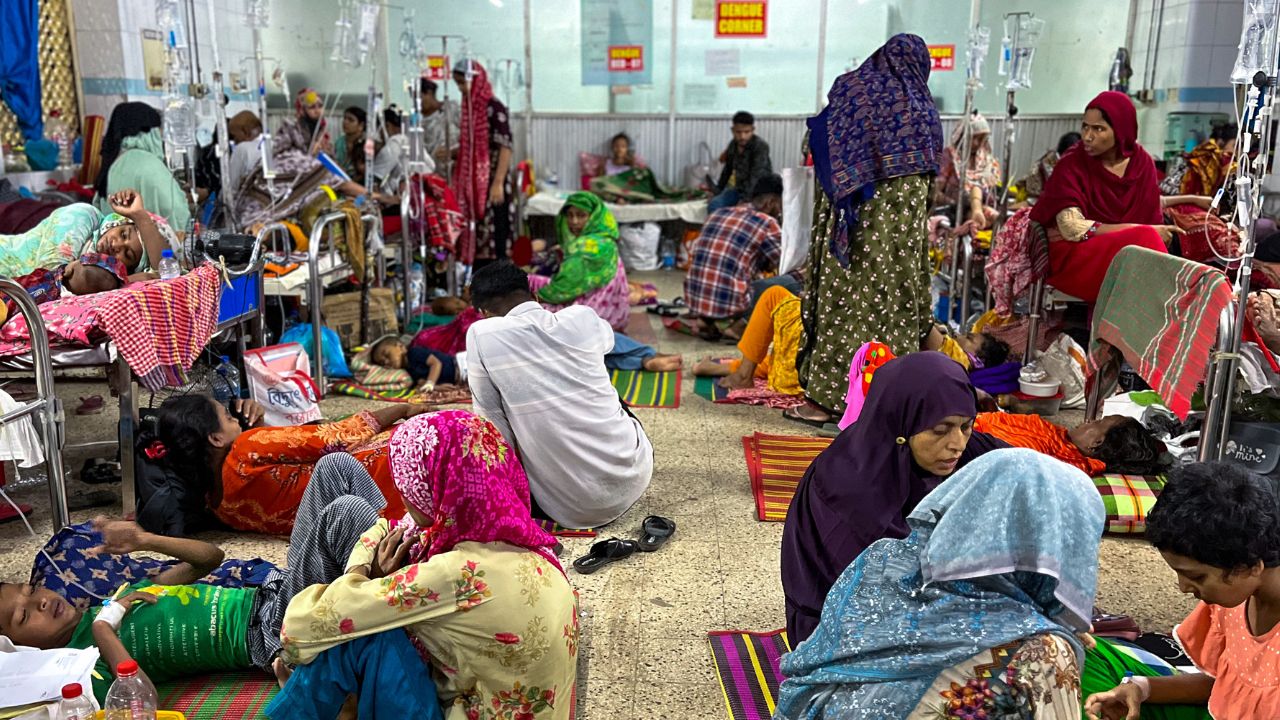
Prime Minister Tarique Rahman has advocated for a “One Health” vision, noting that the well-being of humans, animals, and the environment is inextricably linked and essential for a safer world.
In a message issued ahead of World Health Day 2026 on 7 April, Tarique emphasised that protecting all lives is an urgent necessity of the current era to ensure a healthy future for the next generation.
Reflecting this year’s theme, “Together for Health, Stand with Science,” he called for the integration of medical, agricultural, zoological, and environmental sciences through coordinated research and sustainable technology.
One Health Concept, Technological Innovation
Tarique emphasised the “One Health” concept, which recognizes the intrinsic link between the well-being of humans, animals, and the environment.

He stated that the safety and health of these three elements are mutually dependent, making the protection of all lives a necessity of the current times.
To achieve this vision, he highlighted the importance of integrating medical, agricultural, zoological, and environmental sciences through coordinated research and the use of sustainable technology.
Given the rapid global progress of science, the Prime Minister stressed that technology is essential to ensure quality and equitable healthcare for the nation’s vast population, particularly those in marginalized and impoverished areas.

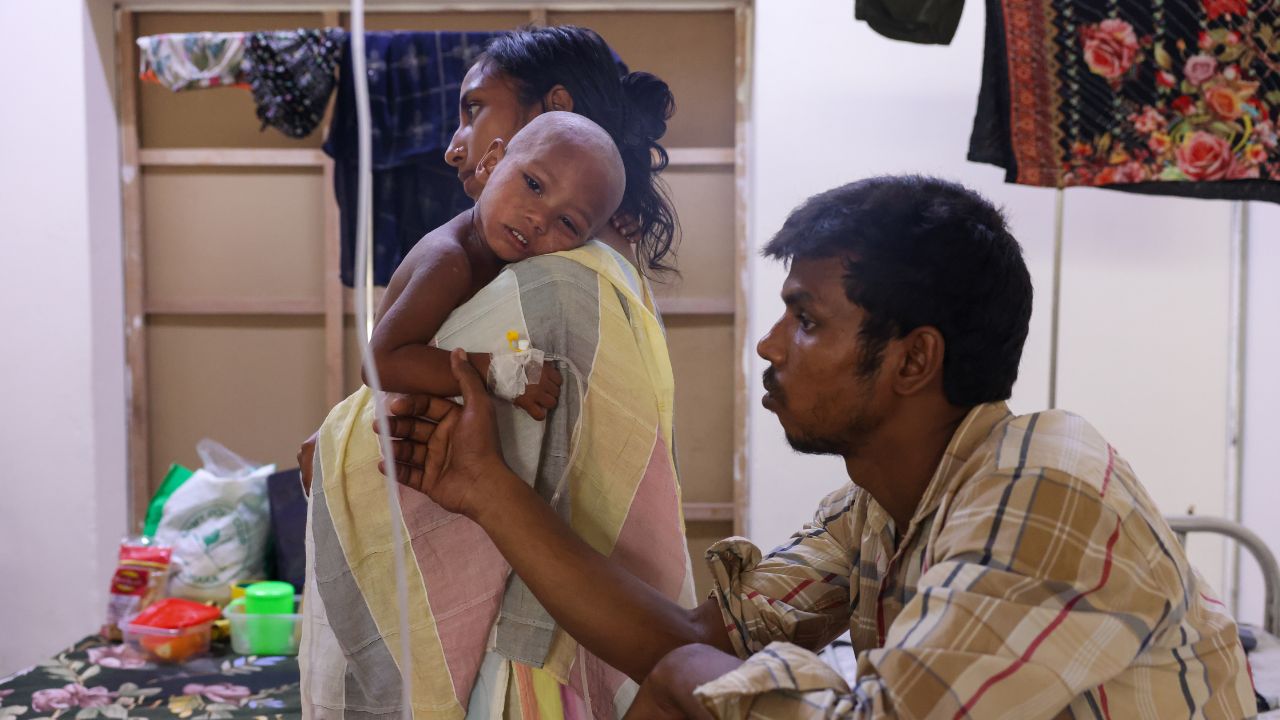


He encouraged the innovation and expansion of tools such as Virtual Reality (VR), Augmented Reality (AR), Artificial Intelligence (AI), and Machine Learning (ML) to facilitate fast, accurate diagnosis and effective treatment.
Policy reforms, healthcare as a fundamental right
Reiterating the government’s principle that “prevention is better than cure,” the Prime Minister stated that the administration is committed to ensuring affordable healthcare based on the models of advanced welfare states.
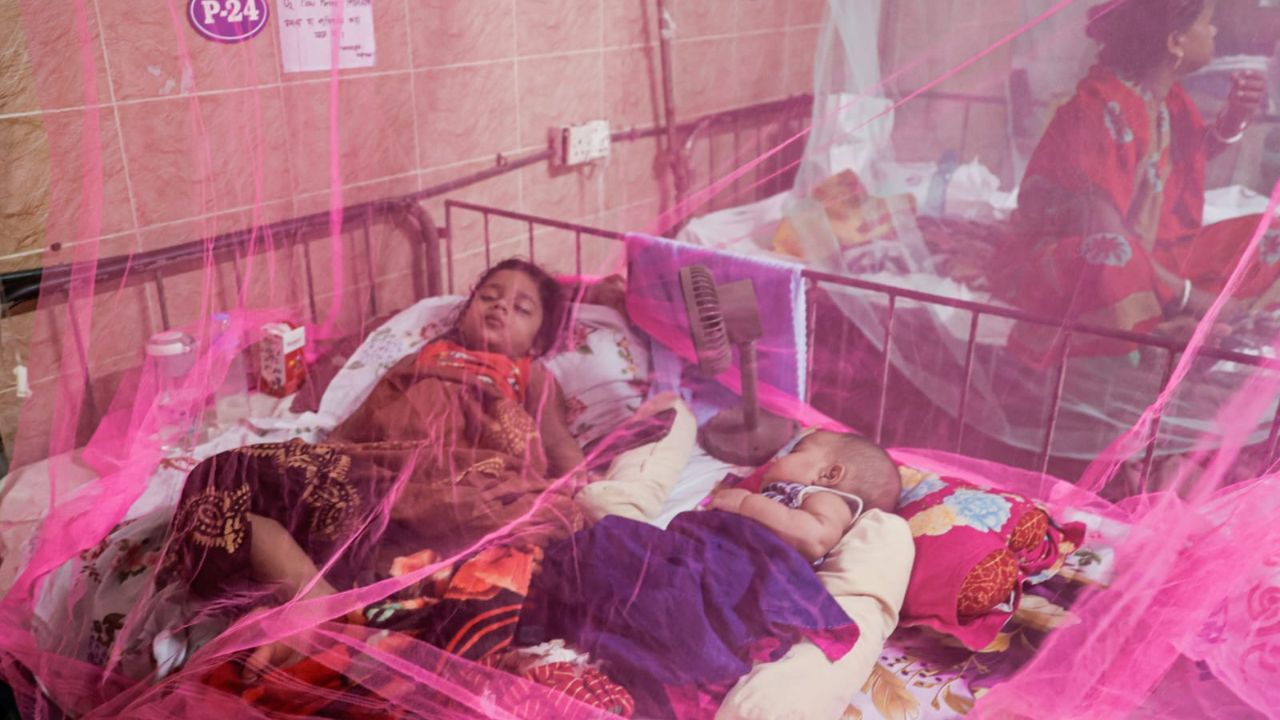
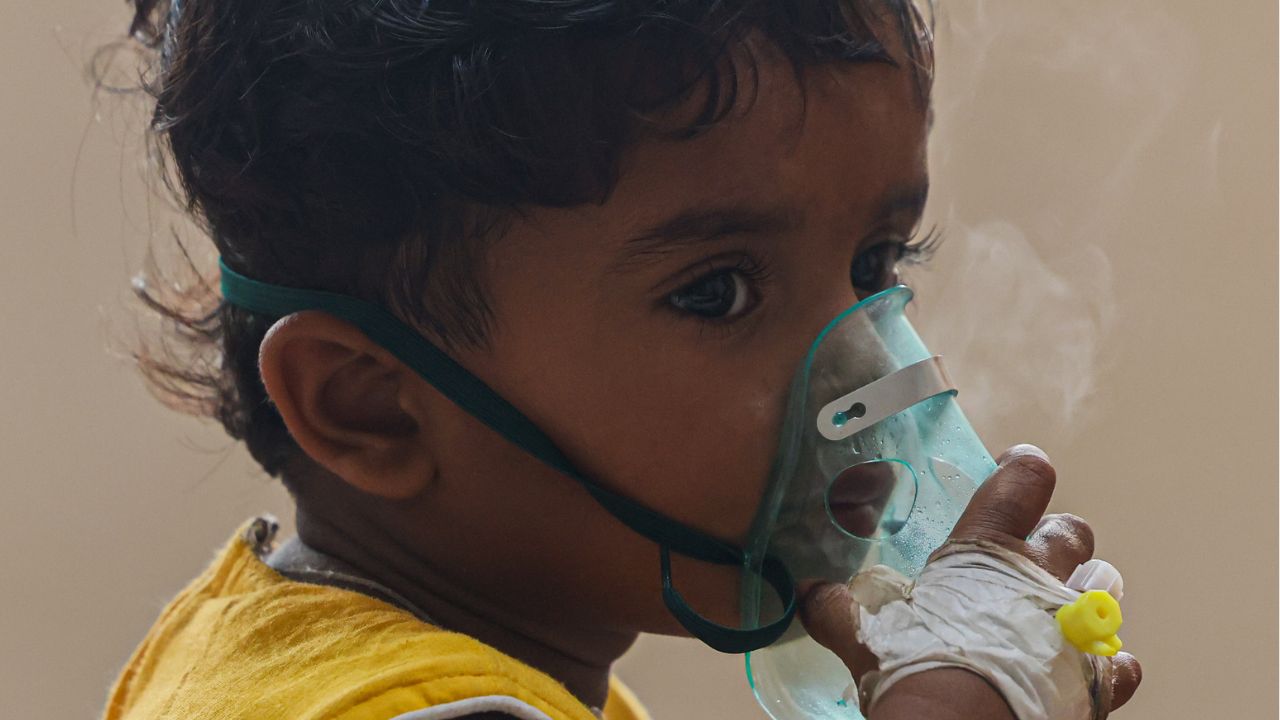
He underscored that healthcare is a fundamental human right rather than a mere facility. To establish a humane health system, the government has initiated plans to expand maternal and child healthcare alongside preventive measures in both urban and rural settings.
A key component of this reform is the phased recruitment of 100,000 health workers, or health carers, of whom approximately 80 per cent will be women.
The government intends to introduce E-health cards for every citizen and launch Public-Private Partnership (PPP) arrangements to ensure quality treatment for long-term and complex diseases.
The government’s comprehensive strategy also includes the introduction of health insurance, the strengthening of medical research, and the enactment of equitable laws for both service seekers and providers.
To support these objectives, the administration plans to gradually increase health sector allocations to 5 per cent of the GDP.
Tarique expressed his firm belief that a healthy and strong nation can be built through honesty, sincerity, and the collective performance of duties. He concluded by extending his greetings to the public and wishing for the total success of all programmes organized to mark World Health Day 2026.