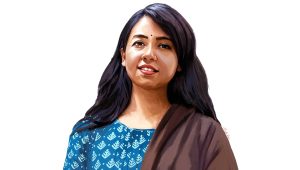
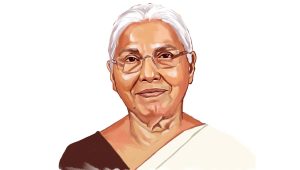
In the history of Bangladeshi cinema, some faces become more than performers – they have become memories shared by generations. Sarah Begum Kabori was one of those rare figures. With a presence that felt both graceful and relatable, she captured the spirit of an era and became one of the most loved actresses in the country’s film narrative.
Born on July 199, 1950, in Boalkhali, Chittagong, Kabori grew up in a culturally vibrant household. Music and performance were part of everyday life; her father was a Bhajan singer, and her family shared a deep appreciation for the arts. Perhaps it was only natural that the stage and later the screen would call her early.
At just 13 years old, she stepped into the film industry with her debut in Sutorang, directed by Subhash Dutta. It was during this film that she received a new name “Kabori”, inspired by her distinctive hairstyle. The name stayed and soon became one of the most recognisable in Bangladeshi cinema.

What followed was a career that helped shape the golden era of Bengali films. Kabori quickly captured audiences with her warmth and emotional depth on screen. Her performances in films such as Sujon Sokhi, Sareng Bou, Shat Bhai Champa and Lalon Fokir established her as a leading actress of her generation.
She often appeared with legendary actor Razzak, and their on-screen partnership became one of the most celebrated pairings in Bangladeshi film history.




But Kabori was never just a romantic heroine. She portrayed women with complexity – characters that carried emotion, resilience and quiet strength. Her performance in Sareng Bou earned her the Bangladesh National Film Award for Best Actress, solidifying her place among the country’s most respected performers.
Beyond cinema, Kabori’s life reflected a deeper commitment to society. During the 1971 Liberation War, she contributed to the cause by donating blood for freedom fighters and supporting cultural efforts abroad. Her belief in using her voice for the greater good continued long after the war.
Later in life, she stepped into public service. In 2008, Kabori was elected as a Member of Parliament from Narayanganj-4. She also remained active in social work, particularly supporting cultural programmes for children and advocating for women’s empowerment.
Her creative journey never truly slowed. In 2006, she directed the film Ayna, proving that her passion for storytelling extended beyond acting. She also authored a memoir, Sritituku Thaak, reflecting on a life deeply intertwined with art.
Kabori passed away on April 17, 2021, leaving behind not just films but memories etched into the cultural fabric of Bangladesh. Yet her legacy lives on in the characters she brought to life, the barriers she crossed and the inspiration she offered to women who dared to dream beyond expectation.
Kabori was more than a star. She was a reminder that talent, courage and compassion can turn a life into a legacy.