Bangladesh’s health sector struggles to fully utilise its budget due to systemic problems, rigid procurement rules and weak hospital management, said Professor Syed Abdul Hamid of the Institute of Health Economics at the University of Dhaka.
In an interview with Md Al Amin Sadman of TIMES of Bangladesh, he warned that higher spending alone will not improve healthcare services without structural reforms such as flexible funding, stronger accountability and a health benefit card system.
On the government’s plan to allocate one per cent of the next budget to health and gradually increase it to five per cent in the coming years, Professor Hamid said, “If patients still do not receive medicines, diagnostic services or proper treatment, then higher spending has no meaning.”
He urged the government to address deep-rooted problems in the healthcare system and allocate budgets to reduce them on a priority basis. “Increased budget without reforms risks repeating past inefficiencies,” he said.
He said that for the upcoming budget, priorities should focus on block grants, flexible funding, easing line-item restrictions and introducing a family card with health benefits.
“If these processes are not implemented and the budget is kept as a lump sum for some Mickey Mouse projects, then there will be no benefit for the people,” he warned.
Professor Hamid warned that the government could face growing public dissatisfaction if visible improvements in healthcare delivery are not achieved within its first year.

“If reforms are not implemented within the first year, it will become much harder to deliver results later,” he said.
Over the past five years, allocations for the Health Services Division and the Health Education and Family Welfare Division have consistently fallen short of recommended levels, and a significant portion of even these funds remains unspent.
When asked about his perspective on the issue, Professor Hamid said the health budget is mainly divided into operational and procurement-related expenditures. While hospitals regularly spend most of their operational allocations on salaries, allowances, medicines, maintenance and staff expenses, a significant portion of procurement and service-related funds often remains unused.
The operating budget typically exhausts 70 to 80 per cent. However, a substantial portion remains unspent, he said. “On average this is about 20 percent that cannot be spent. That is due to systemic complexities. Systemic barriers.”


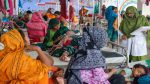
According to him, delays in fund release, particularly in the second half of the fiscal year for procurement, leave facilities with insufficient time for bidding and preparation. Public procurement rules are not health sector-friendly, as they involve numerous small purchases across thousands of entities lacking adequate capacity.
Strict line-item allocations further complicate matters, where funds cannot be easily shifted without central approval even when emergencies arise in other areas.
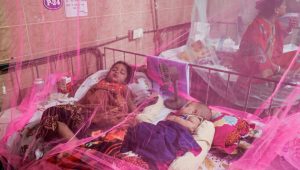
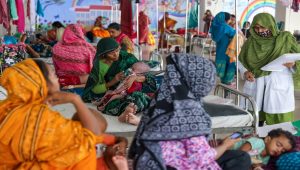
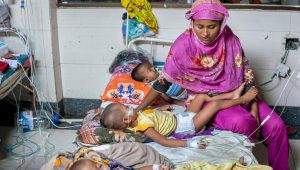
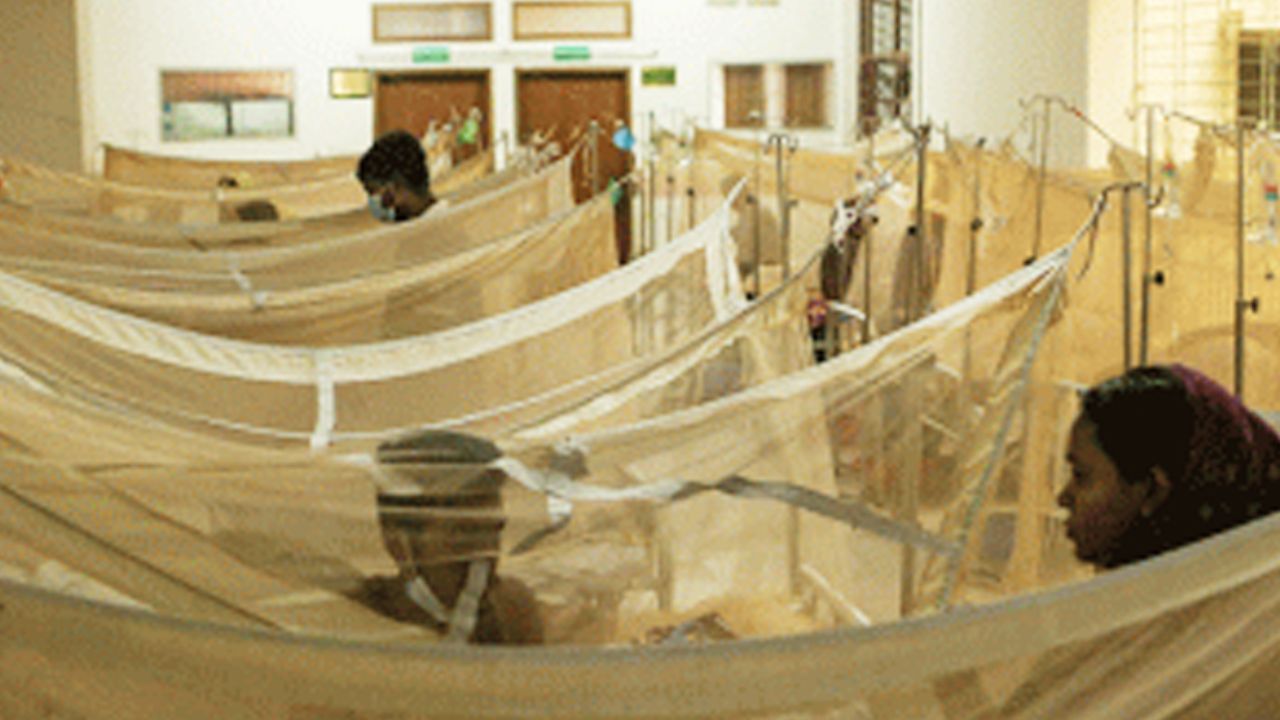
Public hospital environments are highly dysfunctional. “Public hospitals have no working environment. It is worse than a fish market,” Professor Hamid noted.
He said a pervasive ‘do nothing’ culture prevails, where officials view jobs as livelihood security rather than public accountability. Fear of audit, political interference, and lack of flexible funds discourage proactive management.
To address underutilisation, he proposed block grants for quick spending. Upazila health complexes could receive Tk10 lakh annually, district hospitals Tk15-25 lakh or more, medical colleges Tk50 lakh to one crore, and specialised institutes higher amounts. These would be managed through purchase committees for emergencies like buying urgent medicine or repairing machinery.
He also recommended allowing hospitals to transfer funds between budget lines through internal purchase committee approval rather than relying on lengthy central authorisation. The purchase committee will supervise flexible block allocations too.
Hamid proposed introducing a family-linked health benefit system to improve accountability and transparency in public healthcare. Under this model, each household would receive a defined annual healthcare entitlement from the state.
“Family card with health benefit should be added. In this card the government has entitled me health benefit of 50,000 or Tk1 lakh per year. I come, you give service,” he stated.
He said the system would replace the current fragmented structure in government hospitals, where access is often influenced by personal status or informal networks. Instead, every family would have a formal entitlement to services.
“Citizens should know how much healthcare they are entitled to receive each year, and hospitals should document the value of services provided,” he said.
According to him, the model would also allow the government to better monitor treatment costs, disease trends and gaps in service delivery through digital tracking systems.
“People should know how much healthcare they are entitled to each year,” he said, adding that it would shift the system toward measurable service delivery and stronger accountability.
Under the proposal, each family would hold a health card indicating an annual healthcare ceiling, enabling patients to access services while recording the cost of care.
He added that clearer entitlements would encourage patients to demand services and make providers more accountable. “When the bill is written, accountability will increase. It will make everyone more responsible,” he added.
Professor Hamid also called for a standardised pricing system for public hospitals, like private sector diagnostic pricing structures.
“For example, if an ultrasound costs Tk800 in a private hospital, it cannot be Tk500 in a public hospital without explaining the difference,” he said.
He suggested that budget allocations should be tied to the actual needs and operational challenges of government hospitals, with a stronger focus on solving those problems effectively.