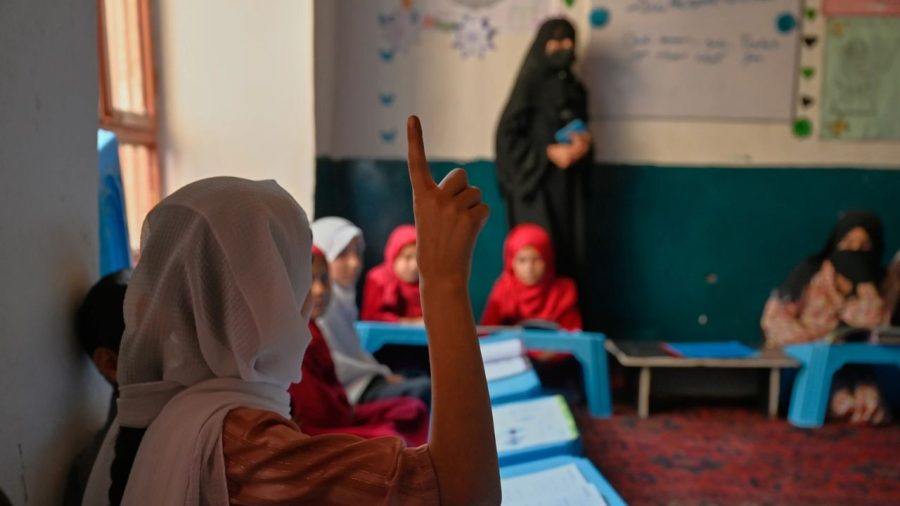



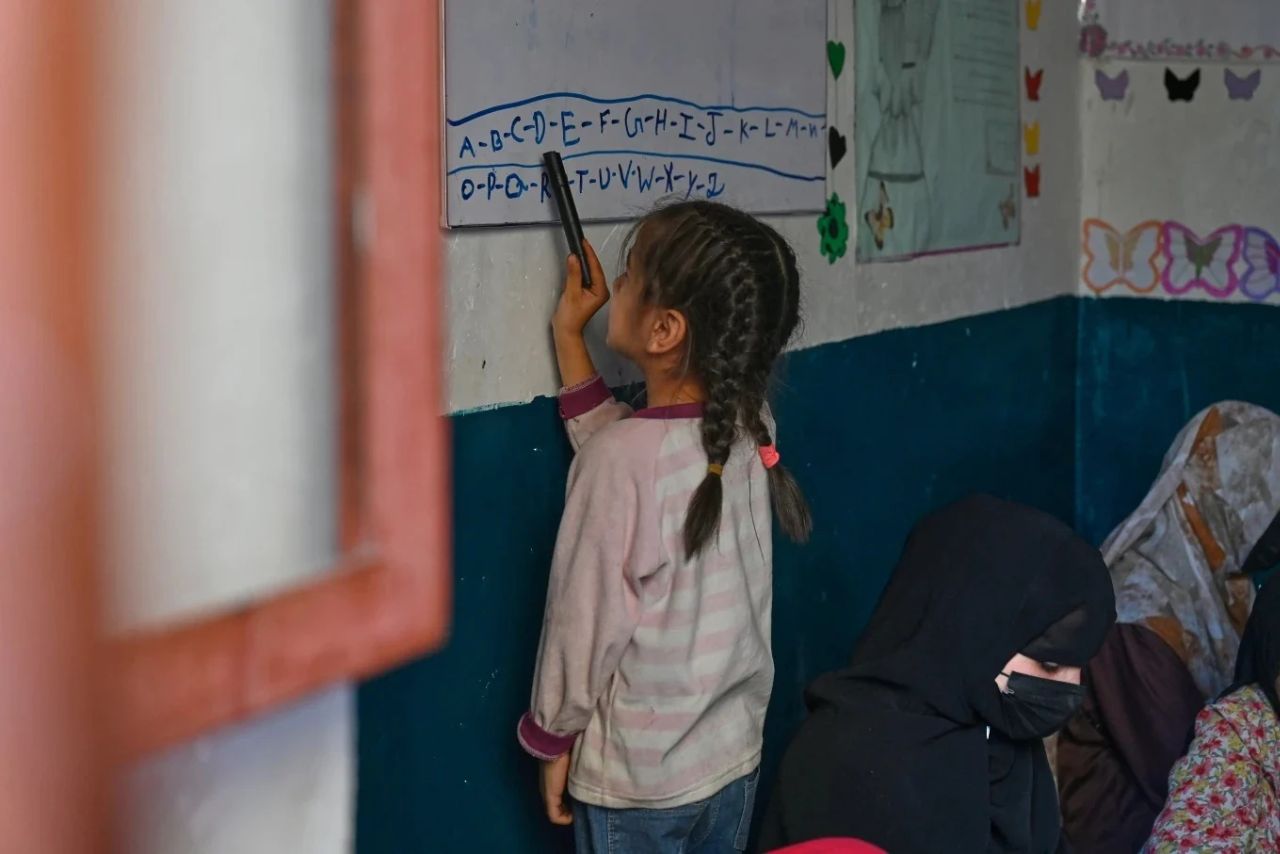
Inside a modest private home in Kabul, a young girl stands before a whiteboard, pointing carefully to letters of the English alphabet.
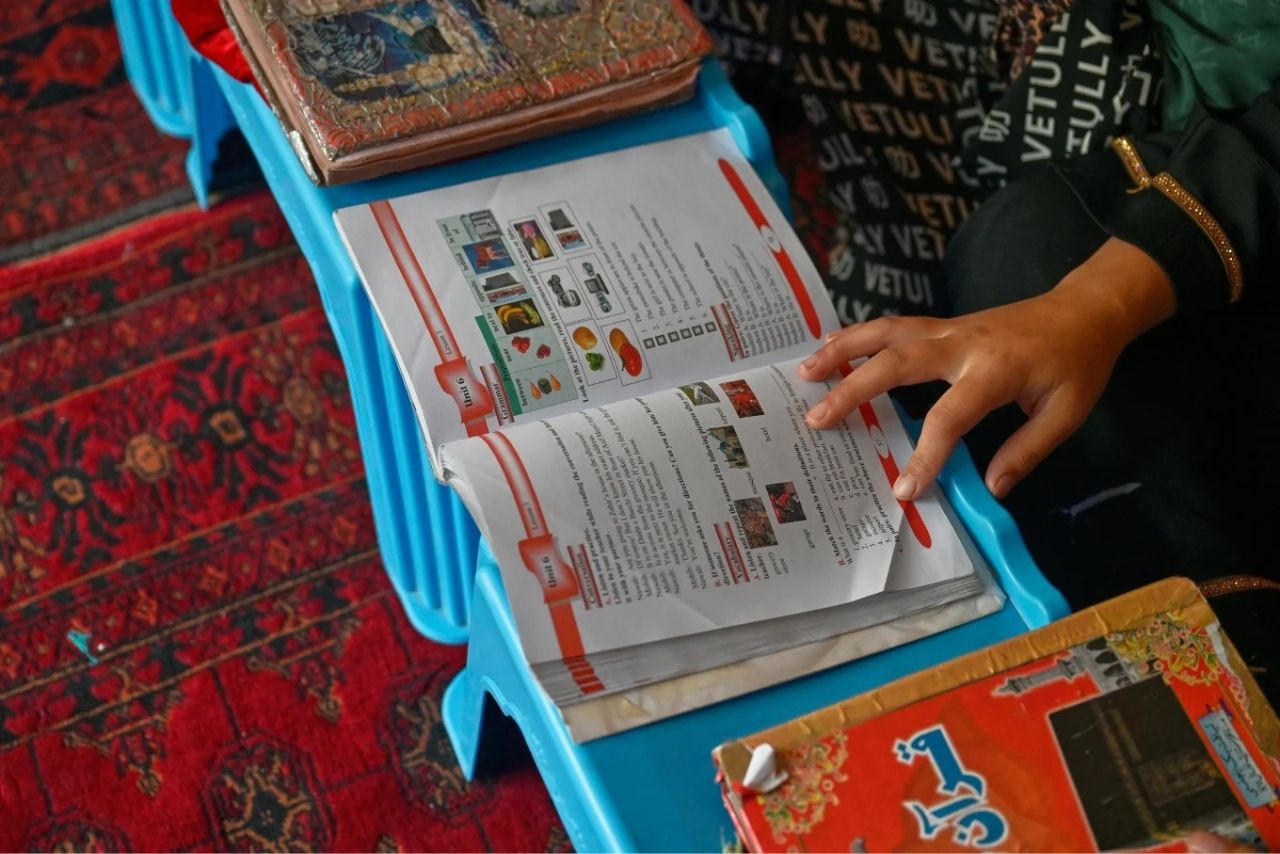
Around her, dozens of young students follow along in English textbooks, their voices soft but determined.
This hidden classroom – run in secret by a 20-year-old female teacher and her teenage sister for roughly 30 girls – is an extraordinary act of defiance in a country where female education has been systematically outlawed.
Since seizing power in August 2021, the Taliban regime has barred women from most jobs and educational institutions.

Under strict rules enforced by morality police, women are subjected to rigorous dress codes and prohibited from leaving their homes without a male relative to accompany them.
Yet, despite the constant threat of severe punishment, clandestine education has emerged as the frontline of resistance for Afghan women determined to protect their right to learn.
Secret home-based schools across Kabul have transformed private living rooms into sanctuaries of learning.
In these hidden spaces, young female educators risk their personal safety daily to teach reading, writing, and language skills to girls excluded from formal schooling.
For these students and their teachers, holding a pen or reciting a lesson is not merely an academic exercise; it is an active refusal to be erased from public life.
While education remains the primary beacon of hope, it forms part of a broader, courageously concealed network of female autonomy across Kabul.

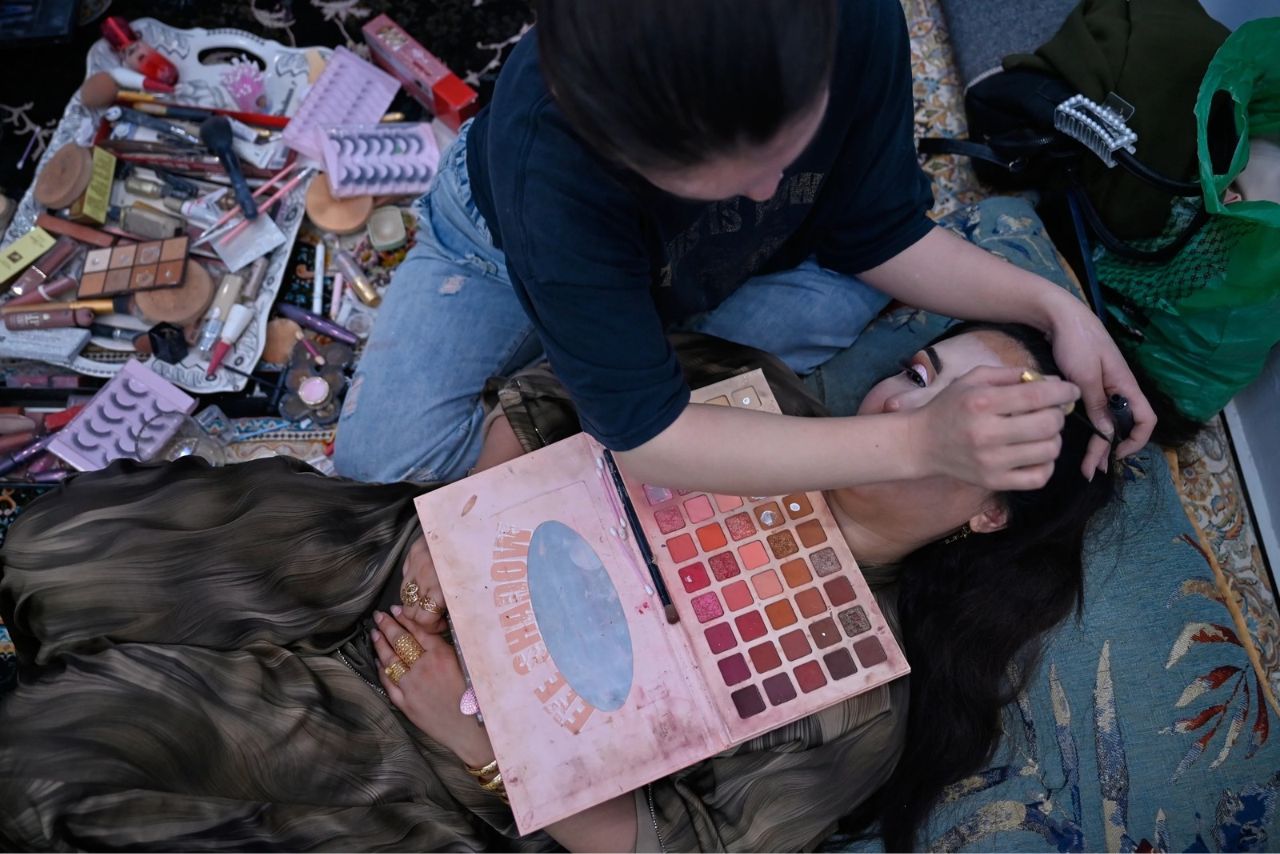
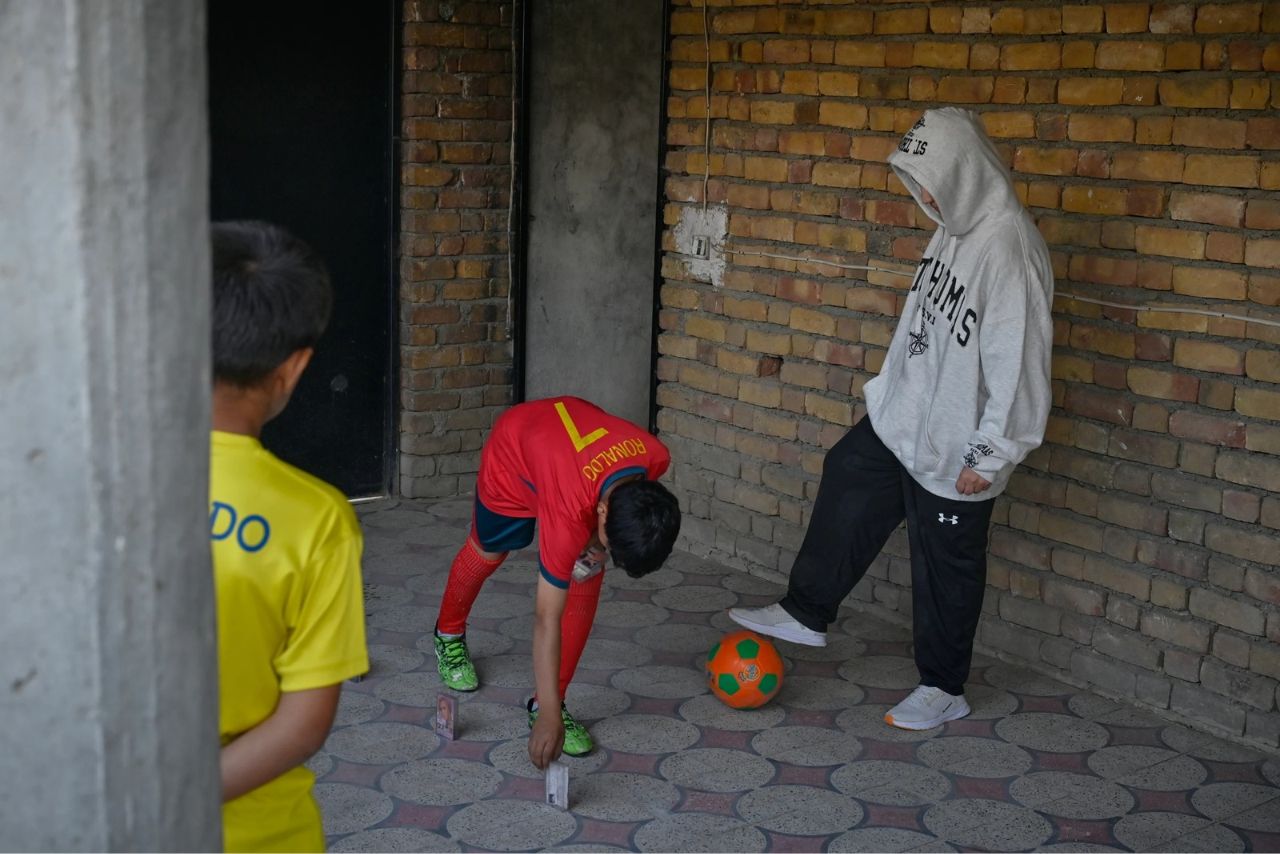
Alongside secret schools, women have established underground beauty salons inside private apartments – offering hair styling, makeup, and nail care – while former national team athletes host indoor sports training sessions for children.
Together, these clandestine efforts prove that no decree can dismantle the human drive to learn and thrive.
By keeping the light of education burning behind closed doors, Kabul’s secret teachers are ensuring that an entire generation of girls retains the knowledge, literacy, and confidence to shape Afghanistan’s tomorrow.