Attempts to push people across the Indian border into Bangladesh have resurfaced after a lull of nearly four months, prompting Border Guard Bangladesh (BGB) to intensify surveillance and tighten security along vulnerable frontiers.
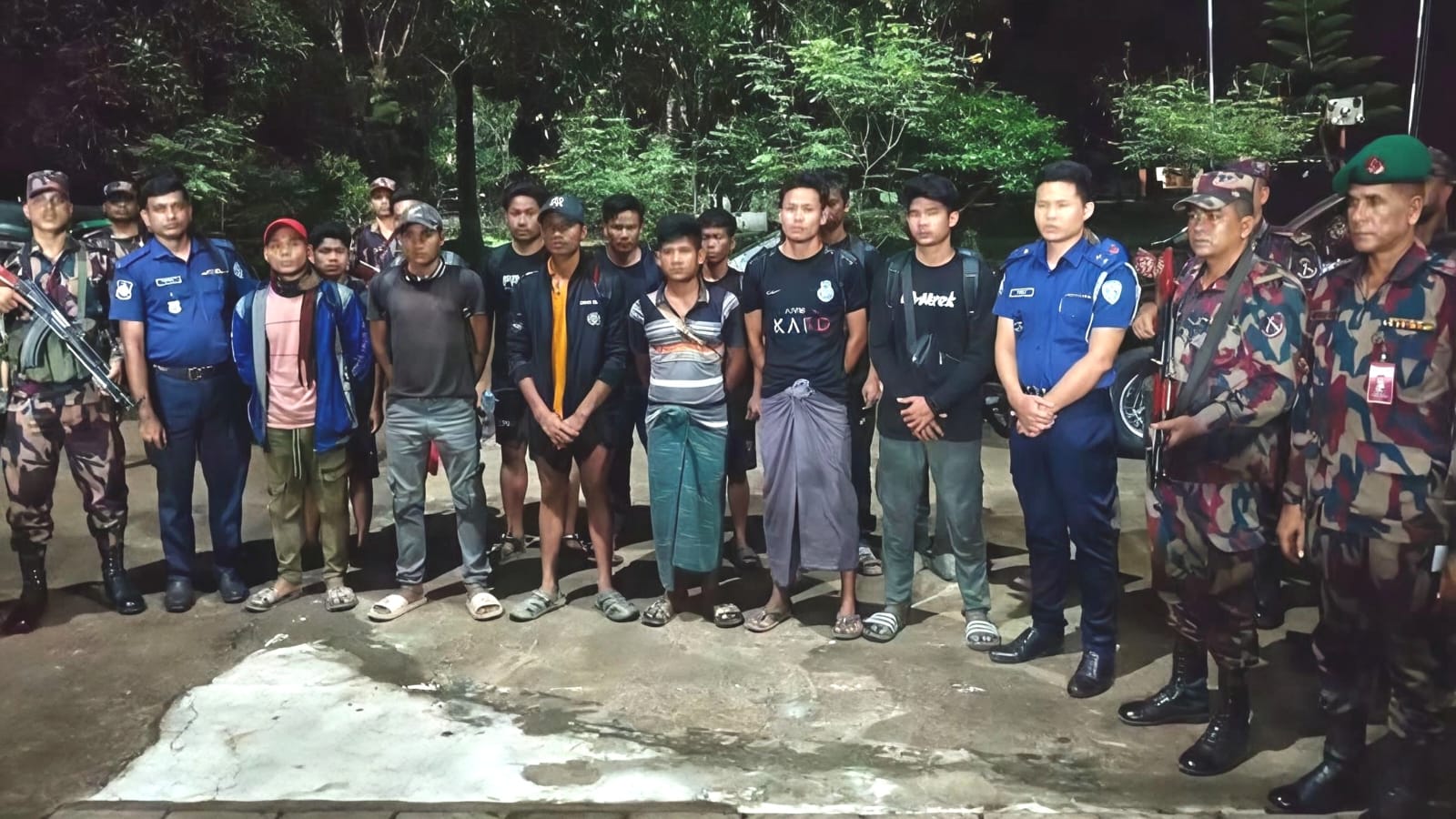
On Thursday night, the BGB thwarted two separate attempts, one along the Moulvibazar border in the northeast and another in Meherpur in the southwest.
A further incident was reported in Jamalpur in north-central Bangladesh, while heightened vigilance has been ordered along the Satkhira frontier amid fears of fresh push-ins.
Former ambassador Mashfee Binte Shams cautioned against viewing Thursday night’s twin incidents as proof of a coordinated operation. “It would not be appropriate to attach too much significance to two push-in attempts at two border points on the same day, or to regard them as a coordinated initiative,” she told TIMES. “However, if similar attempts are seen along more border points, it would indicate that the Indian government is doing this deliberately.”

The issue first sparked widespread alarm in Bangladesh in May this year following repeated attempts by India’s Border Security Force (BSF) to force people across the frontier.

While sporadic incidents began after the mass uprising of 5 August 2024, they escalated sharply in May, when the BGB foiled 18 separate attempts.
Those incidents coincided with diplomatic discussions surrounding an invitation extended to Prime Minister Tarique Rahman to visit India, a trip that ultimately did not take place.
In response to the border incidents, Bangladesh’s Ministry of Foreign Affairs lodged a series of formal protests.




At a briefing on 8 June, State Minister for Foreign Affairs Shama Obaed Islam disclosed that Dhaka had sent 12 to 13 protest notes to New Delhi.
India maintains that it is seeking to repatriate undocumented Bangladeshi nationals and has urged Dhaka to expedite citizenship verification. Bangladesh, however, insists it will not accept anyone without verified nationality, stressing that any repatriation must follow established legal and diplomatic channels. No formal bilateral meeting has yet been convened to resolve the deadlock, while reports that several Indian citizens were also pushed into Bangladesh have further fuelled controversy.
According to BGB Headquarters Director (Operations) Lieutenant Colonel Md Mahbub Murshed Rahman, the force prevented attempts to push 1,275 people across 23 border districts in 182 separate incidents between January and 15 October this year.

Although the issue largely receded from public debate after June, it flared up again on 3 November along the Burimari border in Patgram, Lalmonirhat.
Local residents reported that BSF personnel switched off their searchlights to push people across under cover of darkness, only to be repelled by vigilant BGB patrols and local villagers. Another incident followed on 10 November along the Dewanganj border in Jamalpur, where a woman was left stranded on the international zero line for nearly 30 hours before attempting to cross the following day.
Twin attempts in a single night
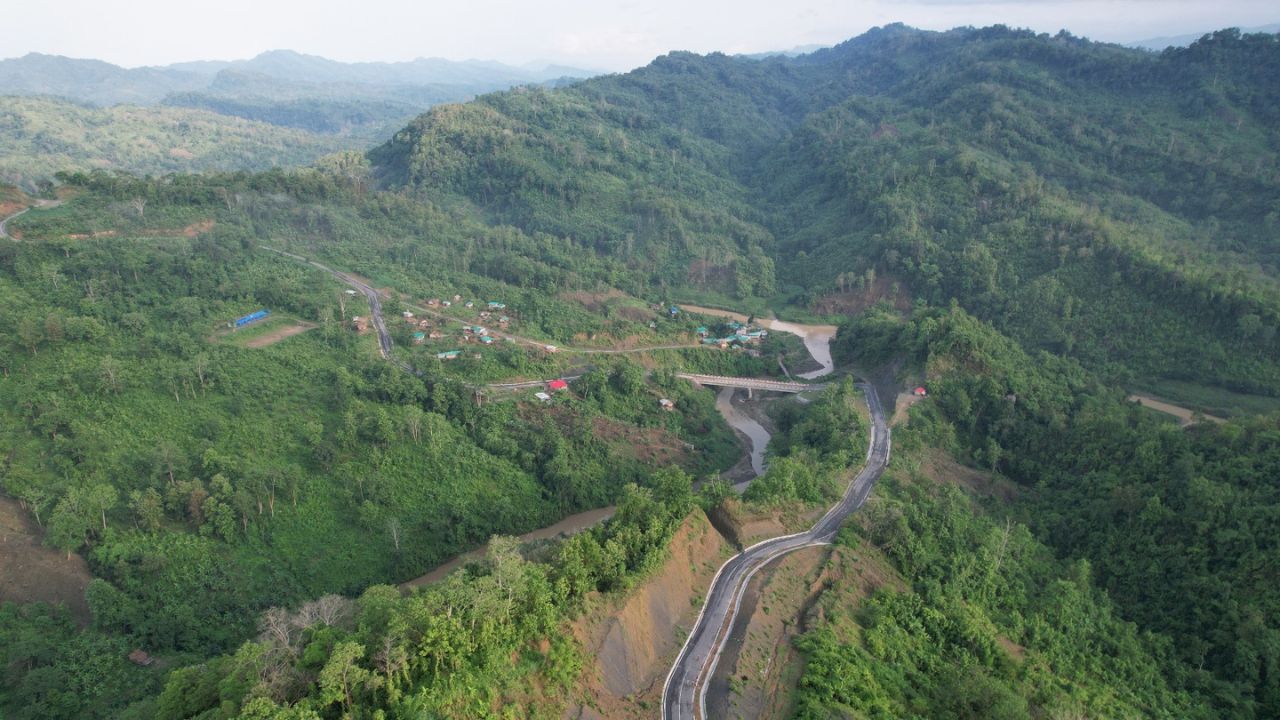
Under cover of adverse weather on Thursday night, an attempt was made to push 20 men and women through the remote hilly terrain of the Latu and Pallathal borders in Baralekha, Moulvibazar. Alert BGB patrols blocked the crossing. By Friday, men, women, and children were seen gathered in an open field on the Assam side of the border, roughly 25 to 30 yards from the zero line.
The commanding officer 52 BGB Battalion, Lieutenant Colonel Ataur Rahman Sujan, attributed the intervention to heightened vigilance. “Our patrol teams were extremely alert and active, which prevented the attempted border crossing,” he said, confirming that frontier security had been reinforced.

In a separate incident around 2am the same night, BSF personnel allegedly opened a barbed-wire gate along the Rangmahal border in Meherpur and attempted to push four men into Bangladesh amid light rain. Acting on intelligence, a BGB patrol intercepted them at the zero line. At roughly 8:30am, BSF troops reopened the gate and took the four men back into Indian territory.

Commanding officer of 47 BGB Battalion in Kushtia, Lieutenant Colonel Rashed Kamal Rony, vowed zero tolerance for such incursions. “Illegal intrusion by the BSF will not be accepted under any circumstances. With the cooperation of local villagers, such push-in attempts will be resisted at any cost,” he said.
‘A source of bilateral irritation’
Mashfee Binte Shams noted that push-ins are scarcely a new phenomenon along the India-Bangladesh frontier. “Push-ins are nothing new; they have been happening since the 1980s,” she told TIMES. “Sometimes India does this, and sometimes it does not. However, such incidents had declined over the past 15 to 16 years, as India realised this is not how the problem can be solved.”
While New Delhi insists those pushed across are undocumented Bangladeshis, Mashfee stressed that clear diplomatic protocols exist for deporting irregular migrants. “There is a specific diplomatic procedure for sending back someone identified as an illegal resident. The individual should be identified, arrested, and prosecuted, and the relevant details forwarded to our High Commission,” she explained. “Once the high commission receives that information, the Ministry of Home Affairs can arrange for the person’s formal return through the border.”
Asked why India bypasses these channels, she described the tactic as a deliberate irritant in bilateral ties. “In reality, this is a way of creating friction in relations between the two countries. Whenever they wish to cause some discomfort to Bangladesh, they resort to this practice,” she said.