In the last few days, world over, the entertainment industry was abuzz with one new development: announcement of the new James Bond.
The film template is 64 years old and with a few changes here and some omissions there, Mr. Bond remains the same old person – suave, sophisticated espionage agent and the unabashed epicure.
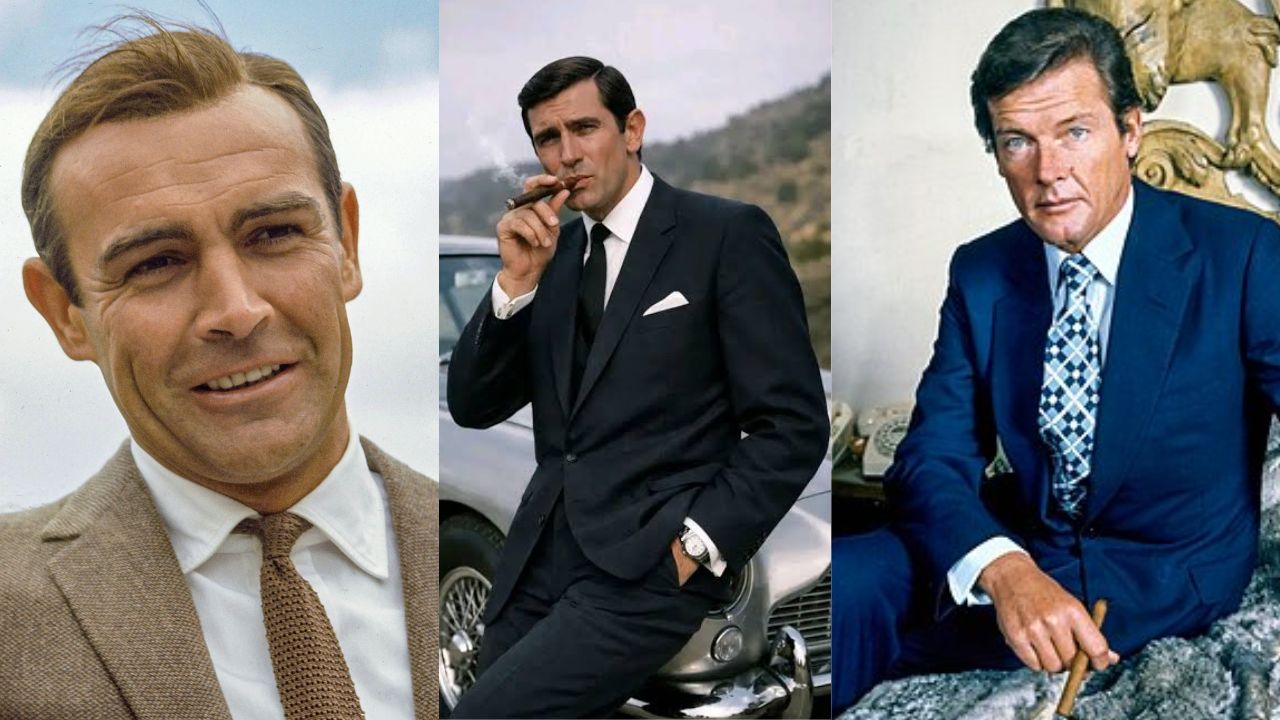
Look closely and one will find that each Bond actor on celluloid, starting from Sean Connery in the early sixties, to Daniel Craig, social ethos of a particular period plus the zeitgeist were portrayed with the protagonist becoming an advocate of the predominant ideology.
Sounds a little heavy right?
Well, don’t blame you because for a large number of young spy thriller lovers, James Bond is all about the apotheosis of the genre: ‘glamspionage’ – a portmanteau word blending glamour and espionage.
As English thespian Robert Pattinson takes up the Walther PPK and perhaps the keys to the new Aston Martin, focus, to a large extent, will be on the upcoming celluloid extravaganza following the typical sumptuous template: swanky cars, exotic locations, heady double entendres, dry Martini influenced humour, ostentatious megalomaniacs and, the essential Bond girl.
For young fans, that’s a surefire recipe for some heady escapism but for those who have read Bond, studied Ian Fleming’s life and have noticed the nuances of each Bond film and how they captured evolving geo-political tensions, the super spy is not only for entertainment but also a mirror of specific periods in world history.

Connery and Moore under the shadow of apocalypse:
Both Sean Connery and Roger Moore played Bond when the threat of nuclear annihilation hung like an ominous threat over the world.
In fact, the first 007 film, Dr. No, was released in the UK in early October 1962 while the Cuban Missile Crisis, a major geo-political imbroglio at the height of the Cold War, erupted the same month, a few weeks later, around October 16.
While 007 was fighting the evil plans of a reclusive scientist living in fictional Crab Key, off the coast of Jamaica, John F Kennedy’s Camelot was sweating over strategies to defuse the missile crisis which literally took the world to the brink of nuclear Armageddon.
Over the next two decades, on and off, Cold War intricacies were either dominating or being used as peripheral themes of Bond movies, showing the simmering/evolving social tensions under the glittering layer of 007’s hedonistic lifestyle.
When Connery was playing Bond with 60s rebellious counter-culture sentiments challenging social outlook, the world was fervently embracing a ‘live it up before you die’ doctrine since the fear of a nuclear annihilation was a reality.




Understandably, many of the initial Bond films draw heavy flak today because of their inherent misogynistic, sometimes dissolute innuendoes plus an overt approval of a sybaritic lifestyle.
In a dreary world just after WW2, several countries, including Britian, was struggling with rations, shortage of food, unemployment, widening chasm between Capitalism and Communism plus pervasive post war malaise.
When Ian Fleming wrote Bond novels in the fifties, his objective was to showcase existing socio-political concerns while advocating the life of a bon viveur, a desperado, willing to live as if each day was his last.
This worked well as basic premise for the film plots until 1989 when the Berlin Wall fell and the Communist block imploded.
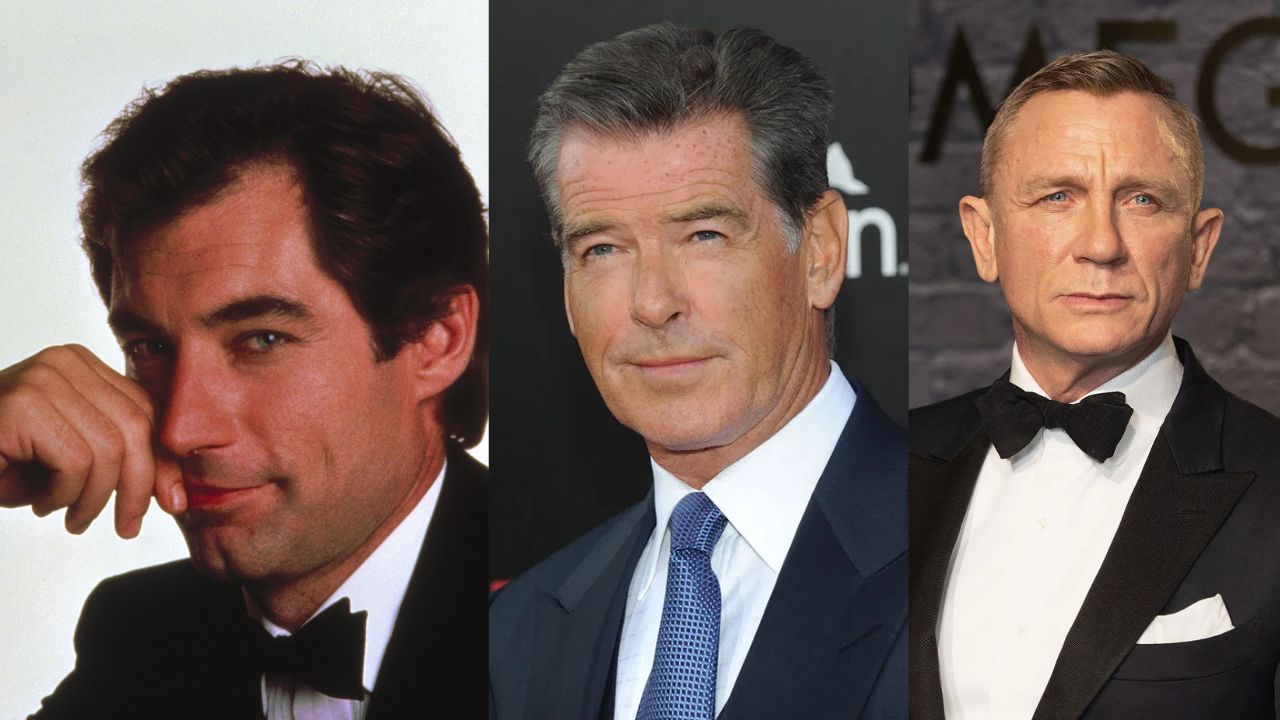
Brosnan and Craig revive 007 in post Communism turmoil
The fall of Communism and the emergence of new states did not make the world a better place, only opening new areas of turmoil with several former Soviet Union states descending into anarchy with military hardware of the former USSR sold in the black market.
This combustible setting was perfect for Bond’s resurgence.
At the turn of the century, North Korea was making headlines with her missile tests and thus, 007 had a new enemy.
Soon, Russia tackled the post Communism social upheavals, regaining her stage as a key global player.
For James, it was a blessing of sorts – his old rival was back!
When Daniel Craig took over, geo-political lines were being re-defined, featuring all the murky elements of a New Cold War.

The biggest shift in the Craig era was the transformation of 007 from the libertine of the 60s to a very passionate and emotion driven man of the millennium.
For those who grew up with the portrayal of 007 as a perennial adventurer plus a bon vivant, this new persona was something of a jolt.
Ian Fleming presented Bond as a man living on the edge, enjoying every luxury of life without scruples, but Daniel Craig’s Bond was shown to battle dark human emotions, often laying bare human vulnerabilities.
In the Craig films, we often see James struggling with demons, sometimes losing to them, eventually becoming a flawed human like the rest of us.
New Bond in a volatile world
The world is seeing the maximum number of turmoils at present with several wars and conflicts, thus making the shadowy world of espionage a vast playground of intrigue.
As for the super villain, Bond will now have to enter a world where human evil may just be overtaken by an artificial nemesis.
However, the overwhelming attention across the world on the new actor to play 007 reinforces one thing: nobody does it better!
Towheed Feroze is Editor, Current Affairs, Times of Bangladesh