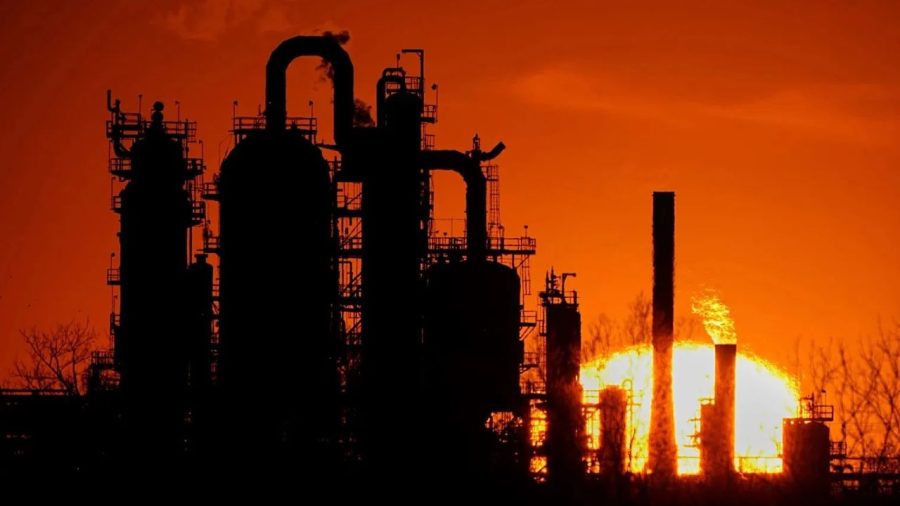



Deep divisions over just two words — fossil fuels — have pushed the COP31 UN Climate Summit in Antalya, Turkey, to the brink of collapse as negotiations grind into what was scheduled to be their final day.
Representatives from more than 190 countries have spent two weeks attempting to negotiate a global agreement to tackle the climate crisis, though the United States is absent after withdrawing from the international effort.
Despite attendance reaching record levels, hopes for a strong outcome are fading as disputes intensify among delegates.
The summit comes at a critical juncture following a UN report published earlier this month, which confirmed that the world will fail to limit global warming to 1.5 degrees Celsius above pre-industrial levels.
Under current policies, global temperatures are projected to rise by at least 2.8 degrees Celsius, a scenario experts warn would bring catastrophic consequences.
At the current warming level of approximately 1.4 degrees Celsius, severe impacts are already occurring worldwide, including deadly heatwaves in Europe and devastating flooding in Nepal, where the Trishuli River swept away bridges in Nuwakot district.

Controversy over fossil fuel transition
The primary point of contention at the conference centres on whether to explicitly include fossil fuels in the final summit declaration.
Although countries agreed at COP28 in Dubai in 2023 to transition away from fossil fuels, oil-producing nations have since resisted repeating or building upon that pledge.
While the initial draft of the COP31 cover decision published on Monday called for an immediate transition away from fossil fuels in energy systems, all references to fossil fuels were completely removed by Thursday following days of intense debate, mirroring the outcome of COP30 last year.
Environmental campaigners expressed strong indignation over the omission. Harjeet Singh, founding director of Satat Sampada Climate Foundation, noted that a fossil fuel crisis cannot be solved by pretending there is no need to phase out fossil fuels.


Similarly, Mohamed Adow, director of Power Shift Africa, warned that COP31 risks becoming a “ghost COP” by remaining muzzled on the primary threat driving climate change.
Funding target dropped amid climate disasters
Finance remains another major stumbling block, with poorer and climate-vulnerable nations demanding increased financial assistance to cope with disasters they did little to cause.
A proposed target of $120 billion to help developing countries adapt to climate change was included in Monday’s initial draft but was subsequently removed from the Thursday version.
Commenting on the decision, Adow pointed out that rich countries are offering crumbs, leaving nations like flood-stricken Nepal to bear climate costs they cannot afford.
Electrification target and consensus obstacles
With key commitments stripped out, a proposal on global electrification championed by the Turkish presidency could become the main outcome of COP31.
The draft includes a “35 by 35” initiative aiming to increase global electrification from 23 per cent to 35 per cent by 2035 through measures such as adopting electric vehicles and heat pumps.
However, the proposal does not explicitly specify that electricity must be generated from renewable sources.

Gustavo Pinheiro, senior associate at E3G, explained that promoting electrification without a clear commitment to transition away from fossil fuels provides an incomplete signal.
Meanwhile, the draft text acknowledges that global warming will overshoot the 1.5 degrees Celsius limit and affirms a resolve to restrict the extent and duration of that overshoot.
Negotiations are expected to extend into Friday and potentially the weekend, as UN rules require consensus among all attending nations.
Highlighting the procedural strain, Panama sent a letter to the presidency on Thursday threatening a formal objection unless key criteria are met, including a cap on oil production.
Such a cap faces resolute opposition from major producers, particularly after Russia, China, and the United States announced a joint plan to increase oil production and supply.
Defending the ongoing negotiations, Chris Bowen, COP31 negotiating president, said that delegates are working to secure the most ambitious agreement possible within consensus boundaries.
However, Andreas Sieber, head of political strategy at 350.org, described the situation as an embarrassing lack of leadership by the COP31 presidencies as discussions enter their final phase.