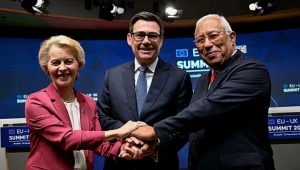
British Prime Minister Andy Burnham is due to meet EU leaders on Friday for a rare summit expected to ease food trade and youth mobility, a decade after Britain voted to leave the bloc, as both sides seek closer ties in an unsettled world, says AP.
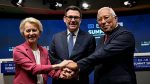
Burnham is scheduled to hold just under an hour of talks with European Council President António Costa and European Commission President Ursula von der Leyen. Only the second such summit since Britain became the first country to leave the 27-nation bloc, it was postponed from July after Burnham’s predecessor Keir Starmer resigned.
Burnham has described the gathering as a step towards undoing a decade of damage caused by the divorce. “The Brexit we were given has not worked. We have lost more than we gained,” he said this week. He has said all options should be on the table for the future relationship, including rejoining, but stressed that this is only one possible outcome and far from imminent. It would need the backing of British voters and the unanimous support of a mistrustful EU.

The package of agreements is set to include a deal allowing cross-border trade in animals, plants and related products, such as sausages or seeds, without the certificates and controls currently required, making things cheaper and easier for British exporters. Britain estimates it could add up to £5.1 billion ($6.70 billion) a year to its economy. A further agreement would link the emissions trading systems of Britain and the EU, exempting goods such as steel from each other’s carbon border levies. Burnham says the deals could add a modest 0.4 percent to Britain’s economy.
The two sides are also set to allow up to 100,000 young adults from Britain to live, work or study in EU countries for up to three years, with the same number of Europeans coming to the UK. Britain, mindful that immigration was a factor in the Brexit vote, had proposed admitting only 50,000, but the EU wanted more. They have now settled on 100,000, EU diplomats said.


Differences remain over tuition fees. EU countries want their students to qualify for “home fees” at British universities rather than the international rate, which is typically about three times higher, while Britain prefers to offer only “significantly reduced” fees. The two sides aim to resolve the issue within six months.
To secure the deals, Britain must accept some EU rules and standards that it has no role in setting, which Brexit supporters say undermines its independence. A key British demand is special status under the bloc’s “Made in Europe” rules, notably for cars. The EU has indicated it is willing, but only if Britain aligns with its policies, which could mean imposing tariffs on Chinese electric vehicles. The draft joint statement also featured conflicting lines from Britain and the EU about the extent of economic coordination.
“I’m afraid that the great Brexit debate has just started again,” Reform UK leader Nigel Farage told the BBC. He said “it’s perfectly clear that this very, very soon becomes a debate about: do we rejoin or do we stay out?”

Rancour over the divorce has faded, with both sides recognising the need for a closer alliance in a world upset by Russia’s full-scale invasion of Ukraine, US tariffs, Chinese control of critical minerals and war in Iran. The summit also gives the EU an opportunity to discuss security and defence cooperation, as well as efforts to restrict irregular migration. Ahead of the meeting, von der Leyen said she wanted “a summit of ambition and concrete results”.
Feelings nevertheless remain raw. EU officials have been reluctant to encourage talk of Britain rejoining, weary of the shifting demands of seven British prime ministers over the past decade, and want clarity about the country’s intentions.