


There was a time when a sweater or a jacket could be bought at Chattogram’s second-hand clothing market for between Tk100 and Tk300, and for many lower and lower-middle-income families that was one of the few ways to stay warm through winter without paying for new garments.
That arrangement has been fraying for some time.
Driven by a high dollar exchange rate and rising import and transportation costs, even second-hand clothes are slipping beyond the reach of many of the people who once depended on them.
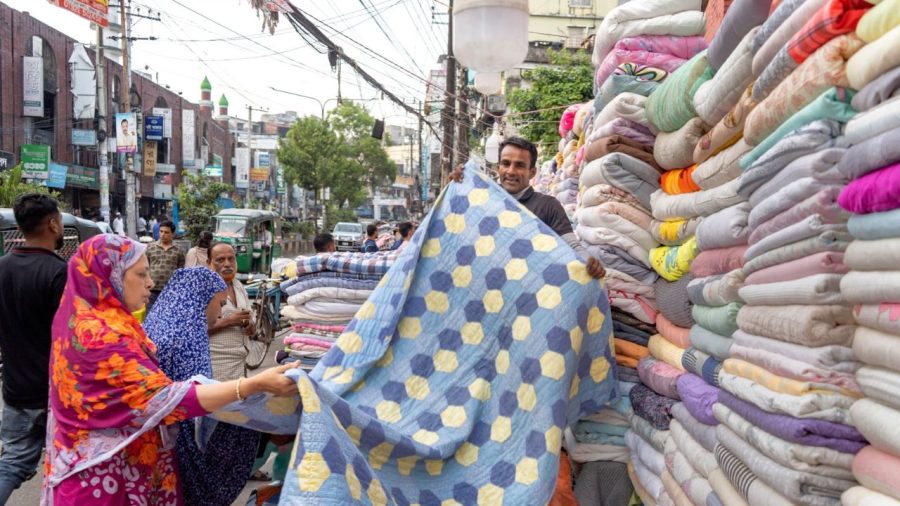
In Khatunganj, the city’s wholesale heart, the trade in bales of second-hand clothes has slowed noticeably.
As imported clothing grows more expensive, small and medium-sized traders can no longer buy in the quantities they once did, and those who pay higher prices and sell at retail are finding that the expected profits do not materialise.

Their capital sits tied up in unsold stock while customers become fewer.
Traders say the bales arrive from Japan, South Korea, China and several European countries.
Importers must open letters of credit through banks to bring them in, and a rising dollar rate makes each of those transactions costlier, before shipping charges, duties, taxes, port fees and cargo clearance add further to the bill.




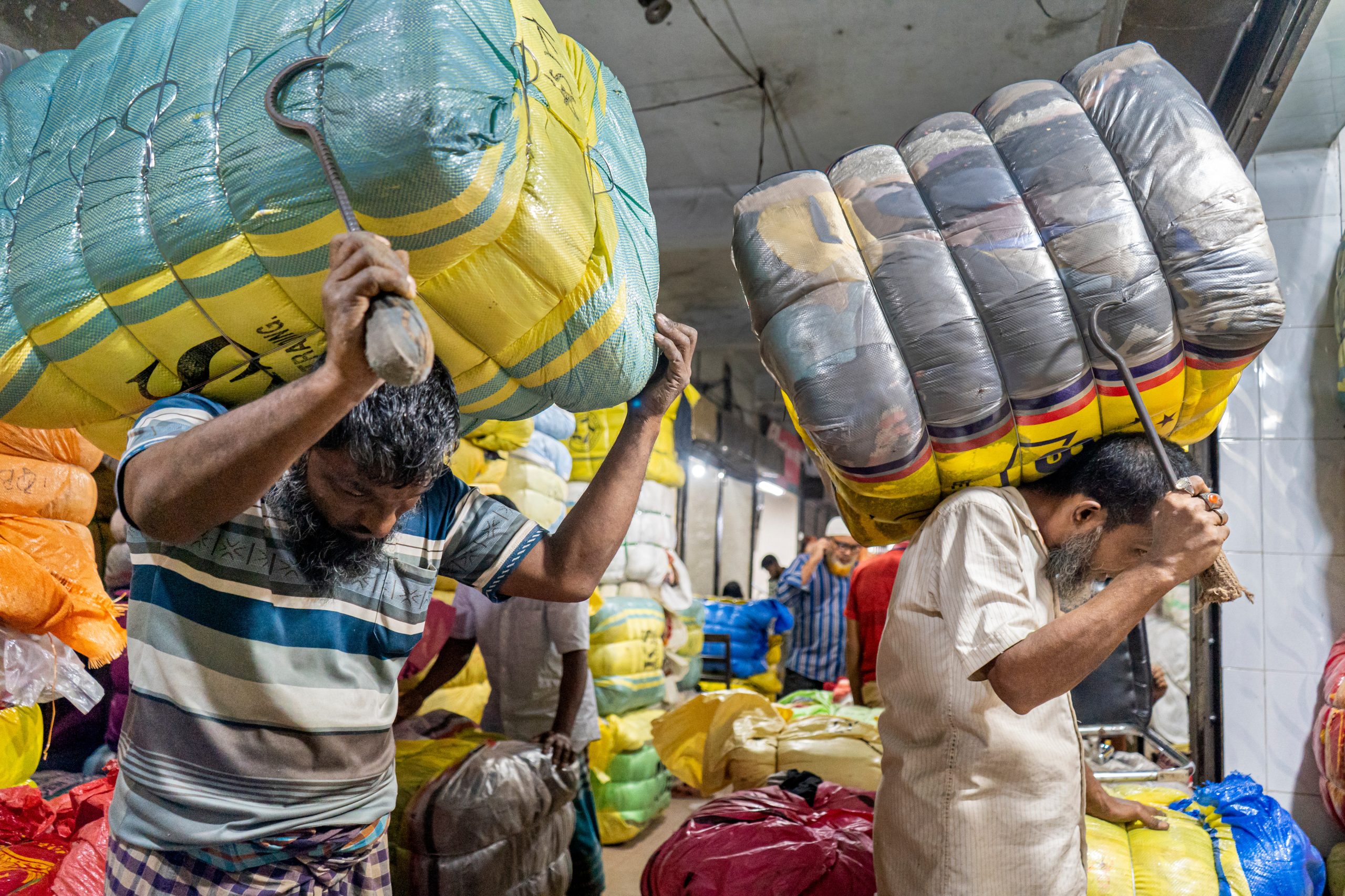
Md Ali Azam, owner of Ali Azam International in Khatunganj, said that the capital which once imported a certain number of bales now falls short of what is needed for the same quantity.
Many traders have therefore cut their volumes, he said, and those with limited funds find it increasingly hard to bring in large shipments.
Abid of Rashed Enterprise said higher wholesale prices, combined with transport and labour costs, force traders to charge more at the retail level, which in turn drives customers away and squeezes already thin margins.
It is the smaller traders who bear the brunt.
Unable to afford large stocks, and unsure what to pay for goods when prices keep shifting and still leave room for a profit on resale, some have scaled down their businesses while others are weighing a move into different professions.

Ordinary customers feel the change directly.
Sweaters and jackets that once sold for Tk100 to Tk300 now cost considerably more, with traders saying that some items have doubled or even tripled in price, so that the advantage which once made second-hand clothes a real alternative to new garments is steadily disappearing.
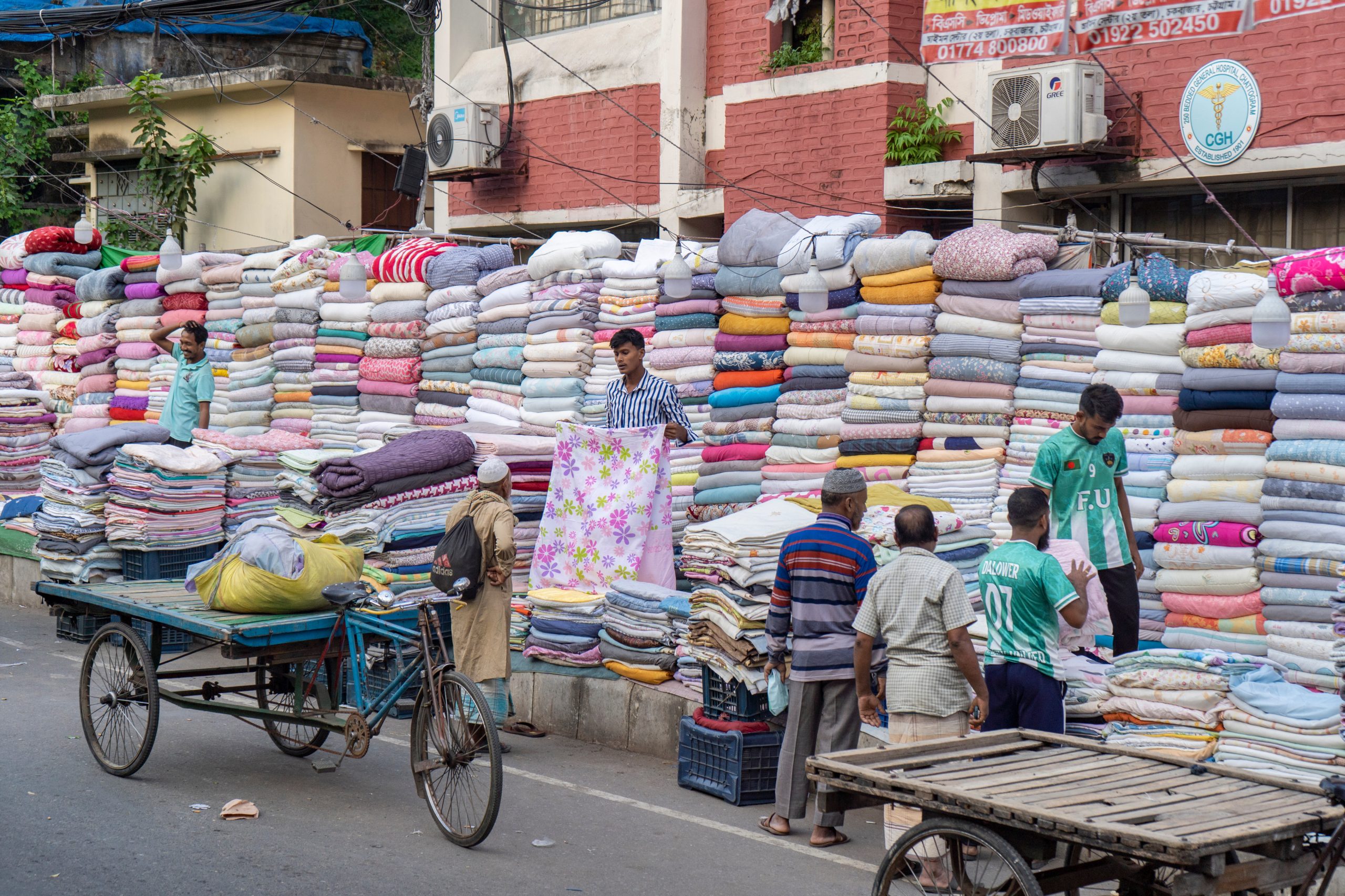
The trade involves far more than importers and wholesalers. Sorters, transport workers, warehouse owners and retailers all depend on it, which means that rising import costs ripple through the entire chain, from the port to the warehouse and from the sorter to the shopkeeper.
For lower and lower-middle-income families in Chattogram, a market that once served as a lifeline is growing harder to reach.
Exchange rates may swing and costs may climb, but the need for warm clothes each winter does not change, and for those who cannot afford new garments, the second-hand market was always the affordable alternative. Now even that is slipping away.