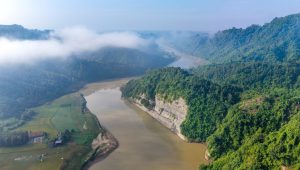
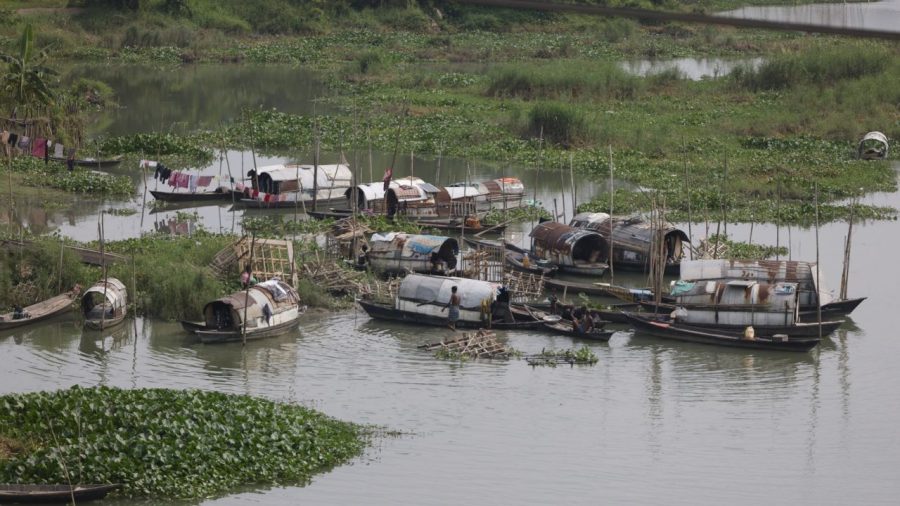



Several boats float along the banks of the Ichamati River.
From a distance, they appear to be a group of travellers who have stopped briefly.
But a closer look reveals a different reality: these boats are home to around 15 families living in a small floating community.
Spread across 10 to 15 boats, their settlement may look temporary, but generations have lived this way.
The boats are their homes and permanent addresses.
Known as river-based Bedes, they are a nomadic community whose lives, livelihoods and identities revolve around rivers.
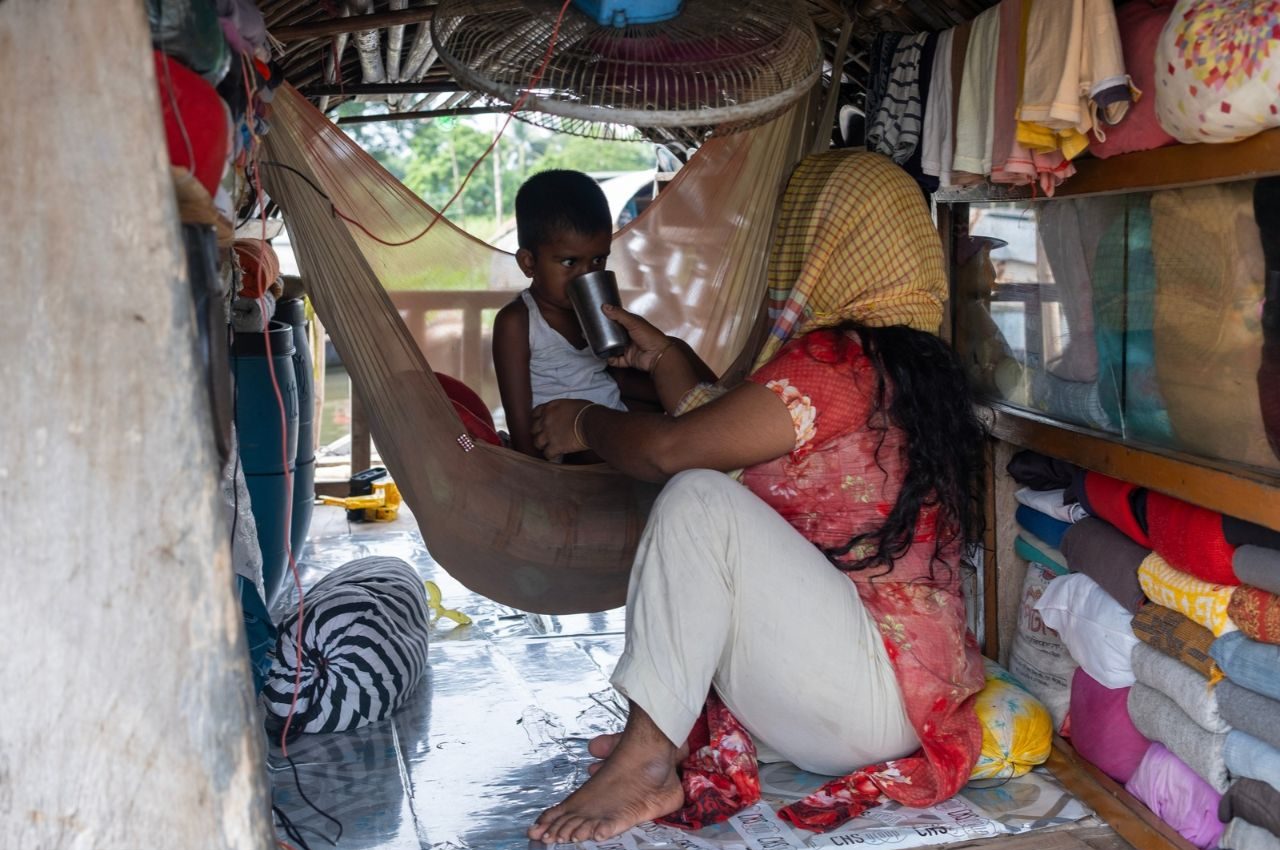
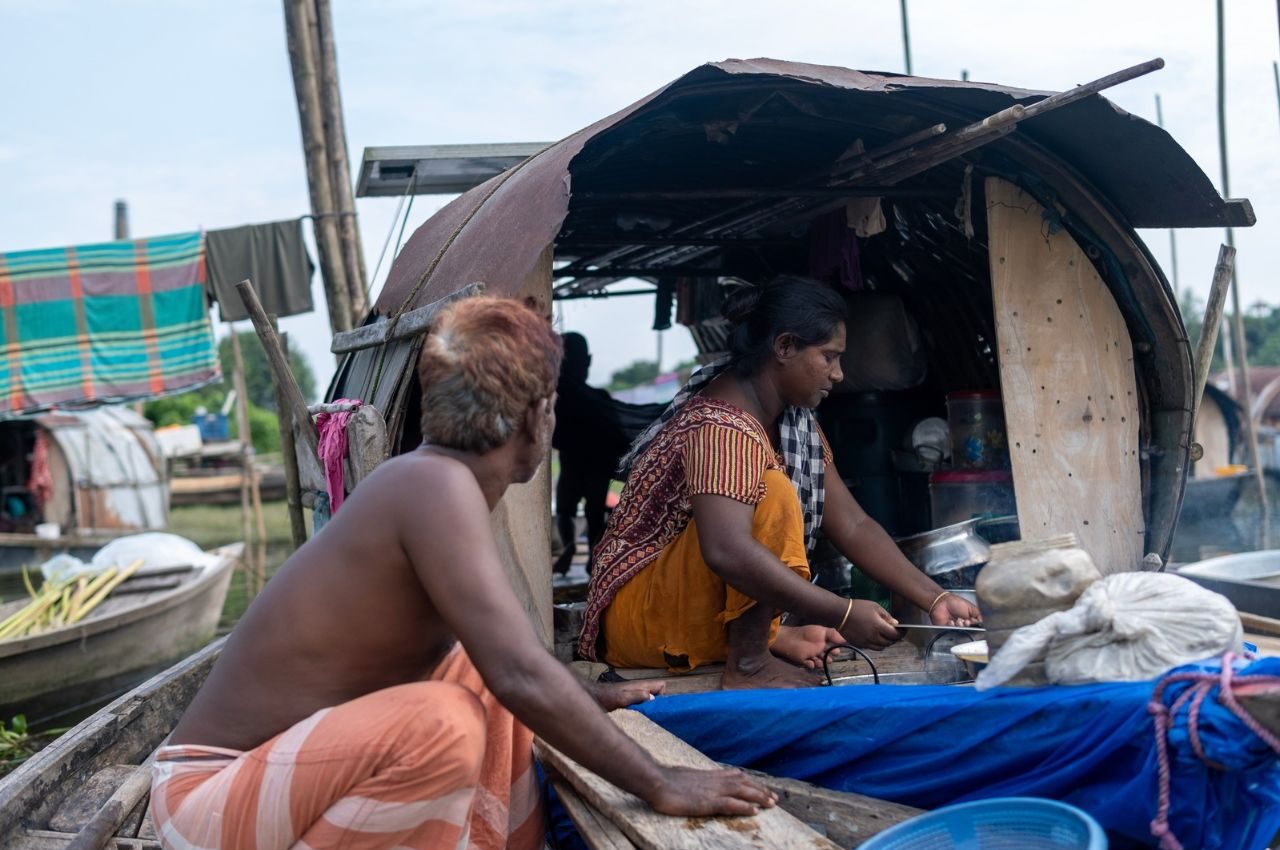
Their wooden boats serve as both homes and workplaces.

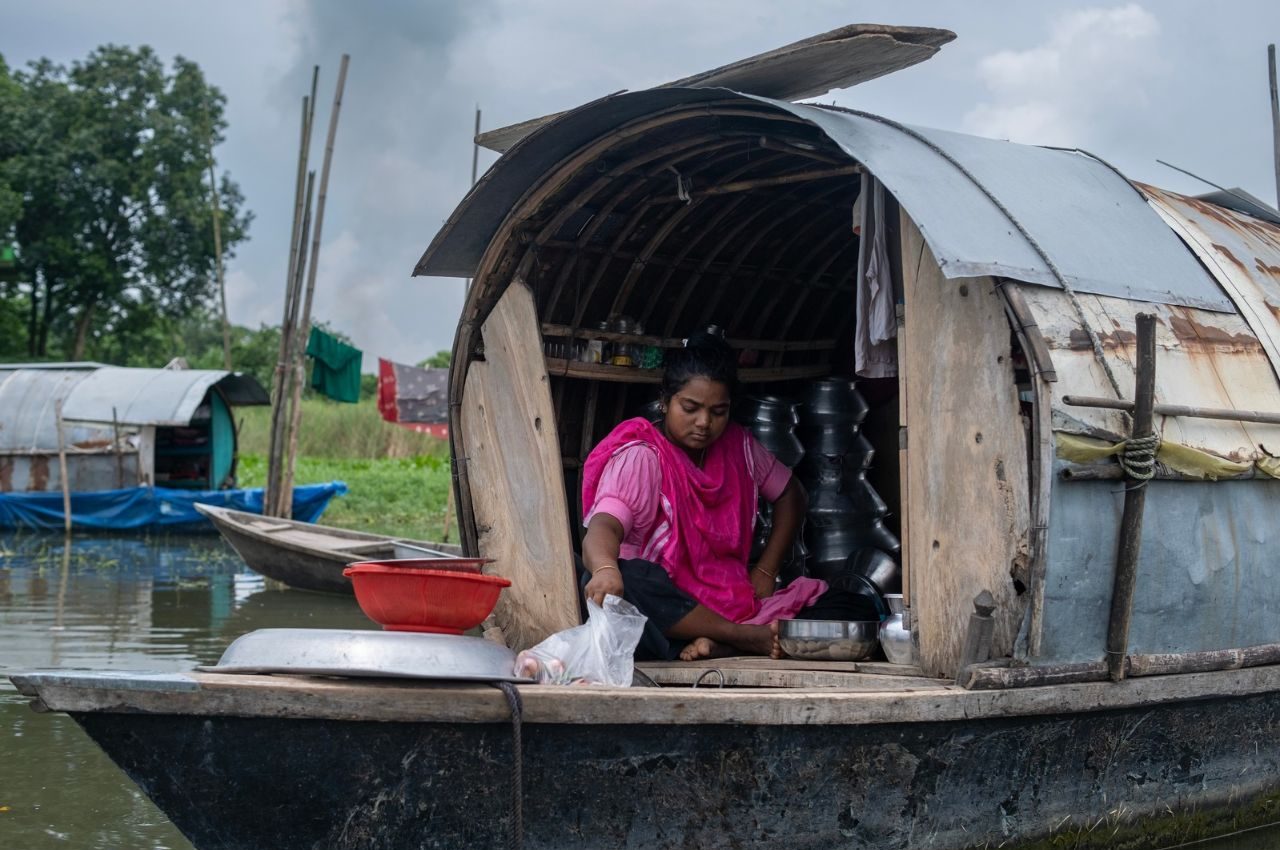
Each contains the essentials of a household, from cooking stoves and kitchen utensils to bedding and other belongings.
River Bedes are part of the larger Bede community, whose identity and traditional livelihoods have long been linked to rivers.
However, their actual population remains uncertain, as Bangladesh has no separate national census for the community.
Estimates vary widely.
A case study on the Housing and Settlement Patterns of the Bede Community this year estimates that around 1.7 million Bedes live across 53 districts.
In contrast, a Department of Social Services survey puts their population at just 75,702, highlighting the lack of reliable and updated demographic data.
Their traditional way also faces mounting environmental and economic pressures. River pollution, erosion, natural disasters and changing water flows have made life on boats increasingly difficult.
The rising cost of boat-building materials, development activities along riverbanks and declining income from traditional occupations have added to the strain.
Meanwhile, families increasingly seek better access to healthcare, formal education and more secure livelihoods for their children.
As a result, many are moving towards permanent settlements on land, although adapting to mainstream occupations and a different social environment remains difficult because of limited skills, discrimination and financial constraints.
Meanwhile, poor housing, unsafe drinking water and inadequate sanitation continue to affect Bede families.
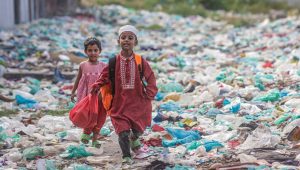
Children have some of the heaviest consequences.
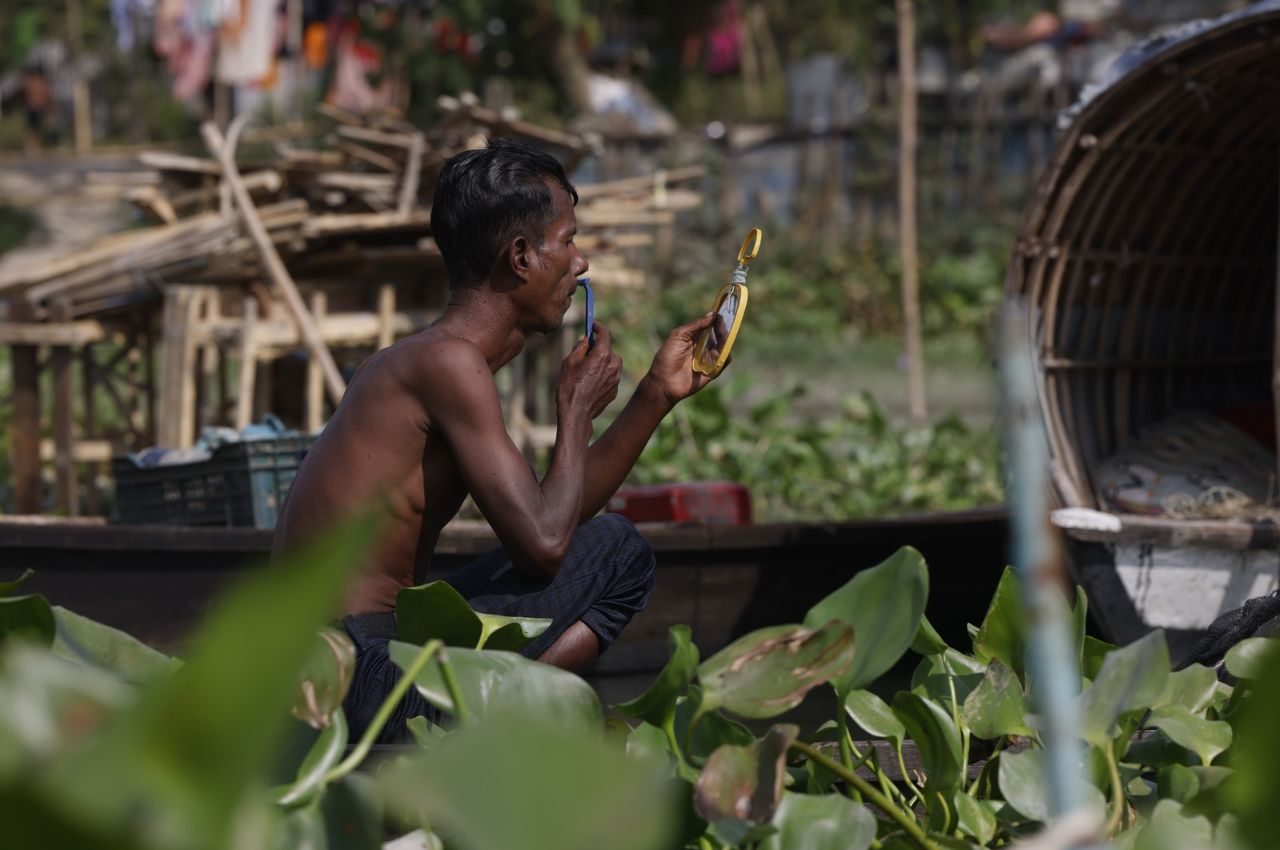
Many spend their childhood swimming, learning to handle boats and helping their families with small trading activities, while formal education remains out of reach.
Healthcare access is similarly limited.
Although some children occasionally receive vaccinations through government programmes, regular healthcare remains unavailable to many families.

Consequently, Bede children continue to fall behind in education and health.
Ranjana Biswas, a researcher who has worked on the Bede community, believes generations of nomadic life have significantly restricted educational opportunities. Educational progress remains limited, she says.
“Although some families now send their children to school, social discrimination and exclusion often force them to drop out. Enrolling children is only the first step; ensuring they can continue their education in a welcoming environment remains another major challenge”, she added.
Barriers to identity documents also prevent many families from accessing government services and benefits.
According to Biswas, the absence of National Identity (NID) cards is a major obstacle.
Without NID cards, many cannot access government services or social safety net programmes, making even the first step towards state support difficult.
For generations accustomed to life on boats, permanent homes, secure shelter and better opportunities for their children have become increasingly important aspirations.
The government had promised to provide them with houses, but that promise has yet to become reality.
For families still living with uncertainty on the water, one question remains: when will they finally be able to leave their floating existence behind and find permanent homes on land?