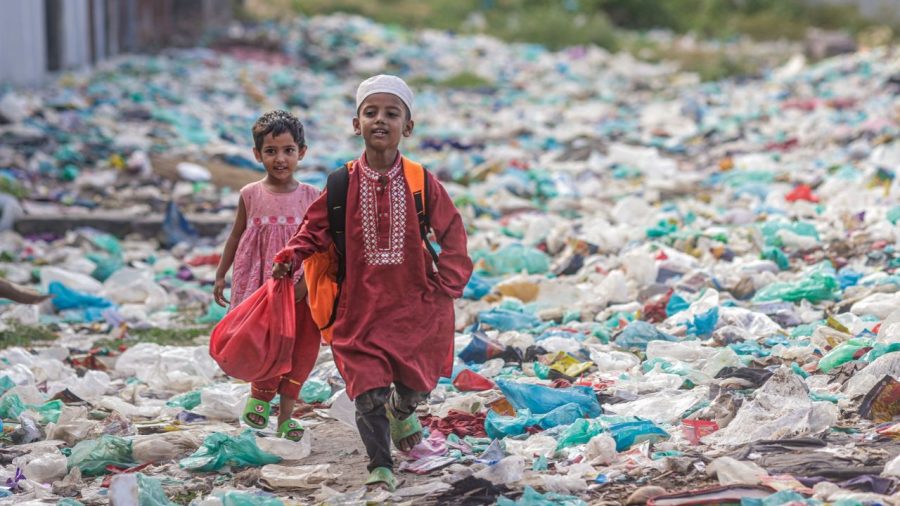



In the Mirpur-14 area of the capital, behind the Diganta Filling Station, lies the Baghanbari slum, a settlement of low-income families living beside a canal that has become a symbol of neglect. Here, multiple families share small spaces, polluted canal water flows just metres from their homes, and the absence of safe boundaries has made daily life precarious. In this environment, children are at the greatest risk.
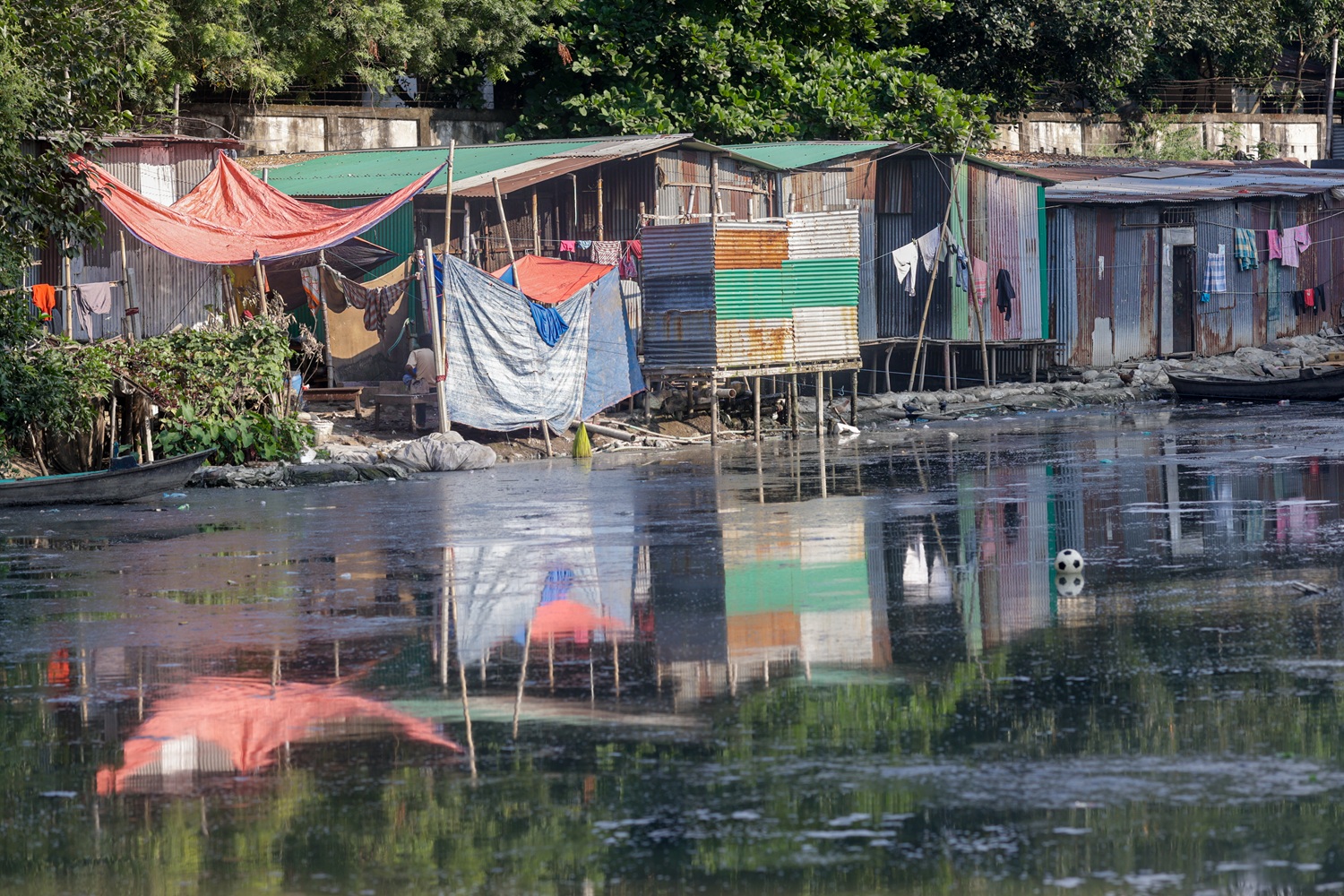
The canal flowing beside the slum has accumulated garbage and dirty water. Concerns remain over environmental pollution and health risks due to living and moving around the canal. Children’s movement near the canal also creates the risk of accidents. Especially where there are inadequate safe boundaries or protective measures beside the canal, there is a risk of falling into the water accidentally.
In the densely populated environment, space for children to play and move safely is also limited. Their educational environment and daily lives depend on the family’s financial capacity and the facilities available nearby. Unplanned settlements, inadequate waste management, and canal pollution make the area’s environmental problems more complicated.

For the families who live here, the canal is both a neighbour and a threat. It carries the waste of the surrounding area, its water dark and stagnant. Children who play near its banks are exposed to health risks and to the ever-present danger of slipping into the water. The absence of proper fencing or barriers is not just a matter of poor infrastructure. It is a matter of life and death.


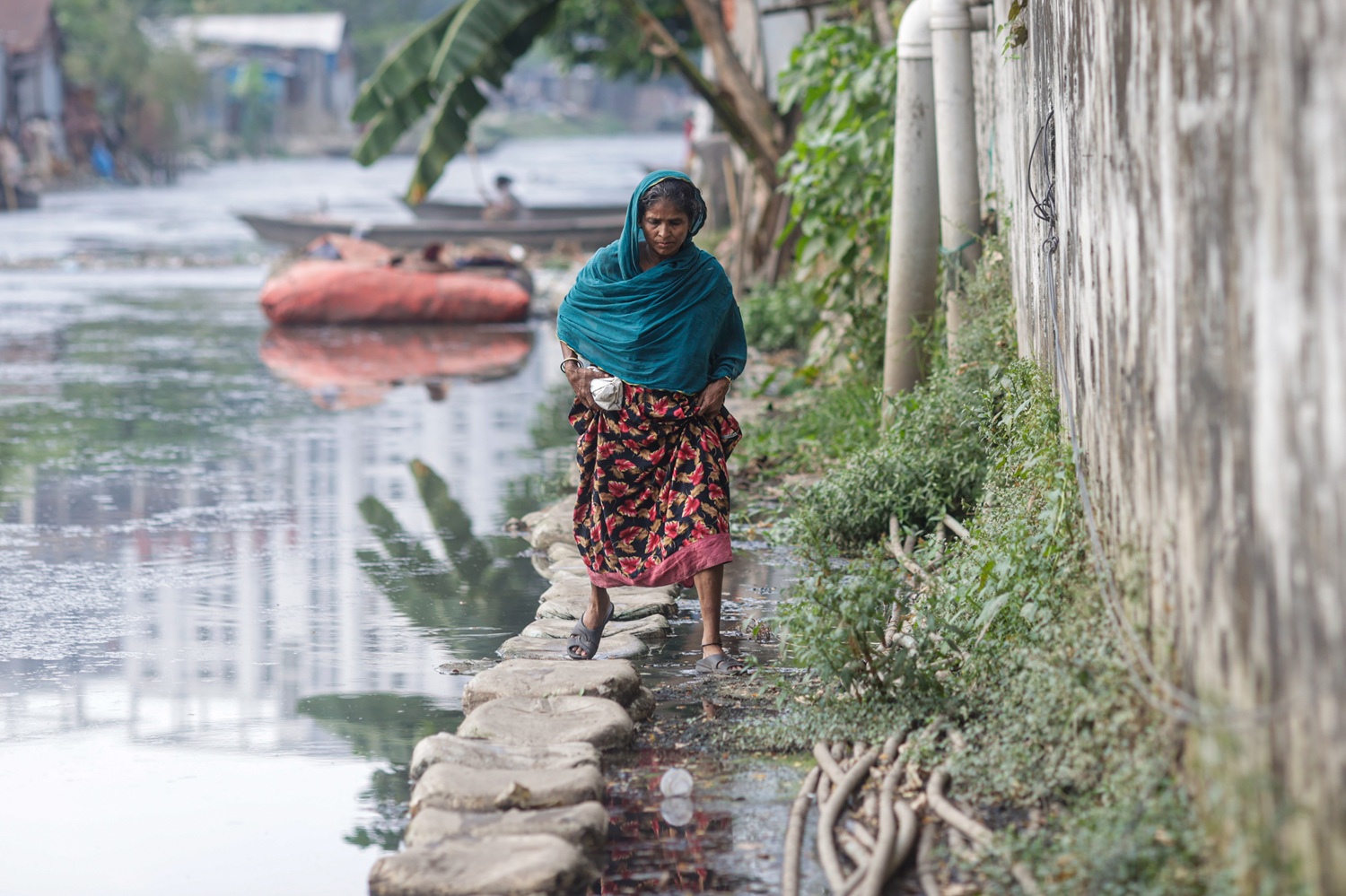
In this situation, it is urgent to remove waste from the canal, ensure necessary protective measures for children’s safety, and ensure a healthy environment for the slum residents. At the same time, effective initiatives by the relevant authorities are needed to ensure basic civic facilities for the residents.
The problems of Baghanbari slum are not unique. Across Dhaka, thousands of families live in similar conditions: crowded, unsafe, and neglected. But the presence of children makes the situation in Baghanbari particularly urgent. Children cannot advocate for themselves. They cannot demand clean water, safe spaces, or protective barriers. They depend on the adults around them and on the authorities who are responsible for ensuring their safety.

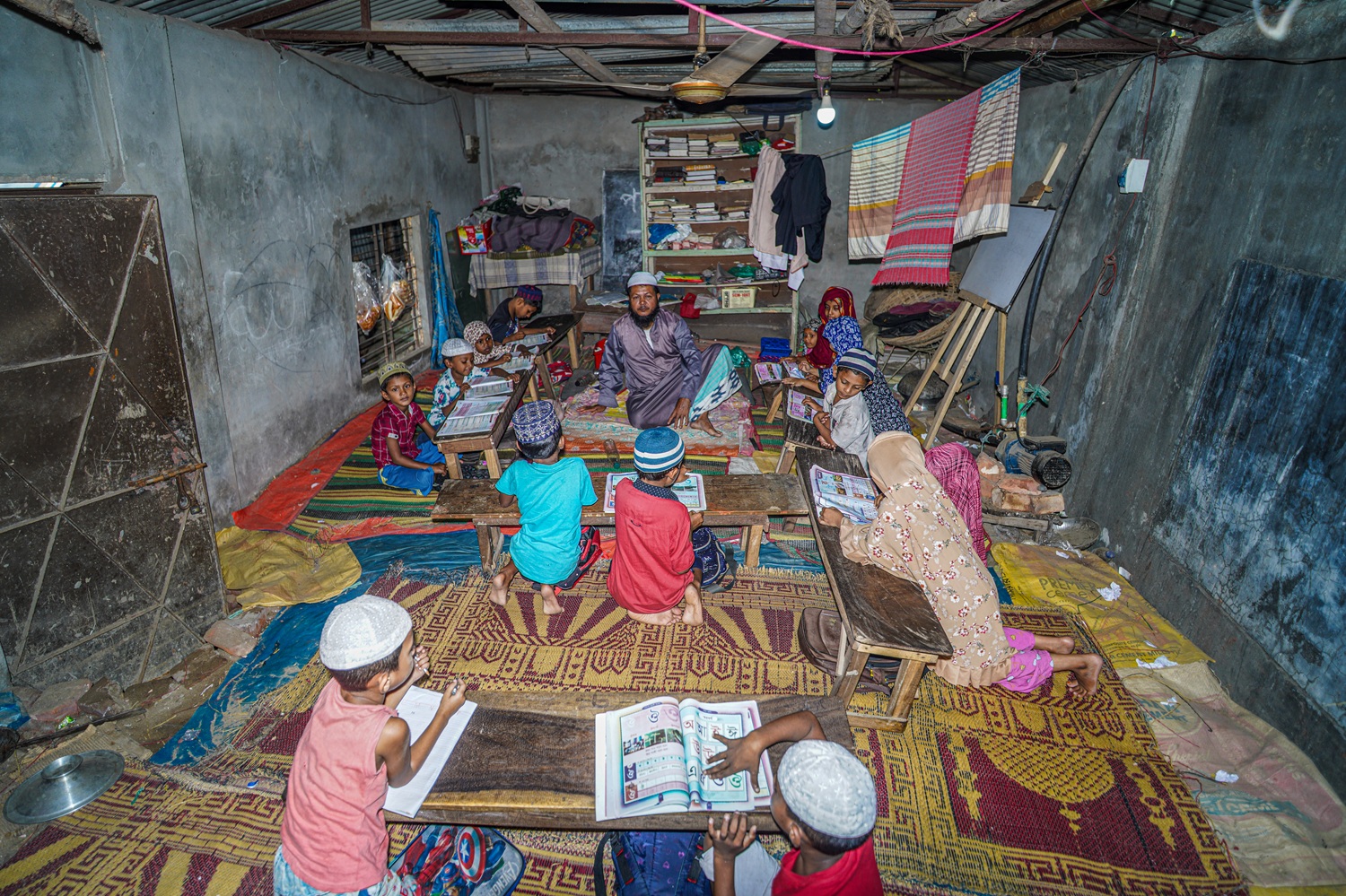
For now, the canal continues to flow beside the slum. The garbage continues to accumulate. And the children continue to play near the water’s edge, unaware of the risks that surround them. The question is whether anyone will act before tragedy strikes, or whether it will take a tragedy to prompt action.