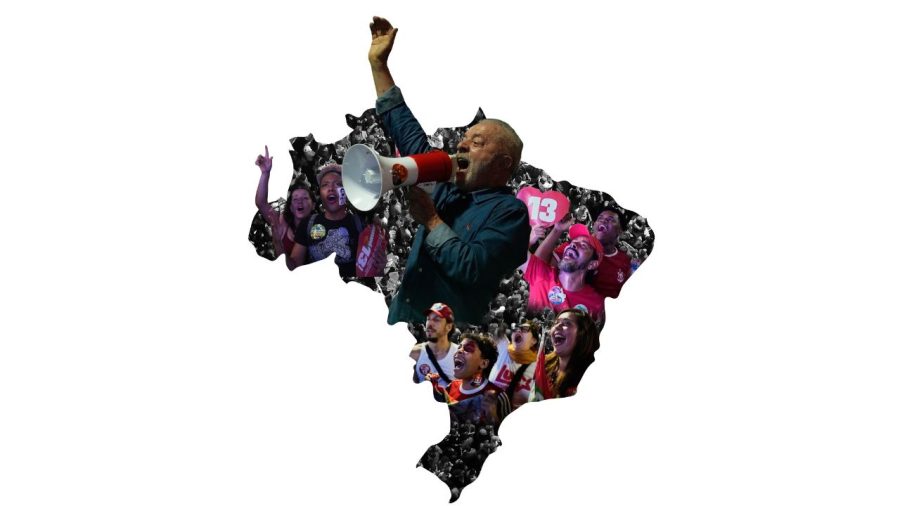



From the historic streets of Belgrade to the vibrant avenues of Brasília, recent elections have sent shockwaves across the global political landscape. In two distinct corners of the world, entrenched authoritarian dominance and far-right surges met an unyielding wall of democratic resistance.
Driven by youth-led activism and grassroots mobilisation, the dual triumphs of Serbia’s student-led opposition movement and Brazil’s veteran leftist leader mark a historic turning point for progressive and anti-establishment politics worldwide.
The student uprising that dethroned a strongman
In Serbia, a nation long governed under the tight grip of Aleksandar Vučić and his Serbian Progressive Party (SNS), democracy found an extraordinary reborn champion: its youth.
The seeds of political transformation were planted in November 2024, when a tragic concrete canopy collapse at the Novi Sad railway station claimed 16 lives.

What began as a spontaneous outcry against corruption and state capture snowballed into two years of relentless student-led anti-corruption demonstrations.
Transforming from a protest movement into a formidable electoral organisation, the Student List (Students Win) – a broad, non-hierarchical coalition headed on the ballot by cardiologist Dr Ilija Srdanović and comprising academics, farmers, and civic activists – entered the electoral arena.


In the October 2026 snap parliamentary election, voters turned out in record numbers – nearly 70 per cent – delivering a historic landslide. The Student List secured an absolute majority of 140 out of 250 seats (52.7% of the vote), forcing Vučić to concede defeat and ending his party’s 14-year reign.
Lula’s historic comeback
Simultaneously, in South America, Latin America’s largest democracy witnessed a masterclass in leftist resilience. Incumbent President Luiz Inácio Lula da Silva of the Workers’ Party (PT) achieved a feat unprecedented in modern Brazilian history.
After trailing far-right Senator Flávio Bolsonaro – son of jailed former president Jair Bolsonaro – in the first round of the presidential election (45.2% to 47.0%), Lula staged an extraordinary runoff comeback.

Rallying working-class voters, energising his northeastern strongholds, and driven by high turnout alongside massive anti-Bolsonaro student and civil society demonstrations, Lula secured 51.8% of the vote (over 64.2 million ballots) to win a record fourth presidential term.
In doing so, Lula halted a rising conservative wave across Latin America, proving that progressive social agendas and democratic institutions can withstand intense right-wing momentum.
Together, the events in Belgrade and Brasília demonstrate that when youth movements and organised progressive forces unite, even the most entrenched political monoliths can be dismantled.