



Five years after sweeping back into power in 2021, the Taliban administration continues to govern Afghanistan through a strict interpretation of Sharia law, amid severe economic hardship and growing restrictions on women and media.
The extreme Islamist movement, which initially claimed to have changed, has increasingly imposed policies reminiscent of its hard-line rule in the 1990s, reports BBC.
Under the current regime, girls are barred from secondary education and universities, women are excluded from most workplaces, and they are prohibited from travelling alone or visiting parks and leisure centres.
In Kandahar, the Taliban’s heartland and de facto capital, restrictions have tightened further, with men mandated to grow beards, radio stations banned from playing music or broadcasting women’s voices, and filming prohibited within the city.
A rare glimpse into the day-to-day realities of local governance was recently captured in Sheberghan, the capital of northern Jawzjan province, where an 18-year-old woman, referred to as Tuba, petitioned the provincial governor, Abdullah Sarhadi, for a divorce from her husband.
Tuba, who argued her case behind a full-face veil and sunglasses, accused her husband of months of abuse and beatings, stating her “honour and dignity have already been ruined”.
Governor Sarhadi, a grey-bearded former Taliban commander who was held in US detention in Guantanamo Bay for several years, initially urged her to remain in the marriage, asking who would marry her after a divorce.
Sarhadi later remarked to male officials, elders, and bodyguards that women are “mindless” and “deficient in intellect,” prompting laughter from those present.
Although the governor eventually instructed that Tuba be given her own room and warned her husband against further beatings under threat of jail, her family remained unsatisfied.
Tuba’s father told BBC that they will pursue the divorce through the courts, despite the severe difficulties women face in obtaining a divorce without a husband’s consent under the Taliban’s judicial system.
Financial disputes also complicate the matter, as the husband is demanding four times the marriage money to agree to the settlement, an amount her family refuses to pay.
Governor Sarhadi, who recently became deputy commander of a military corps in the northern province of Kunduz, was a military commander in Bamiyan during the Taliban’s first stint in power, where he admitted to personally destroying the ancient giant Buddha statues.
“I destroyed it with my own hands,” Sarhadi said, adding that he did not regret his actions as they were “in accordance with the guidance and God’s law”. He also noted that a recent ban on smartphones for officials has slowed administrative work, though he declined to elaborate further to avoid trouble.
In the capital, Kabul, senior Taliban official Habibullah Badr, who previously directed operations for suicide attacks, now drives through the streets in an armoured car.
Badr, who was once held on death row under the previous government, recently ran the country’s prisons as the deputy head of prisons, but is currently taking time out for medical treatment.
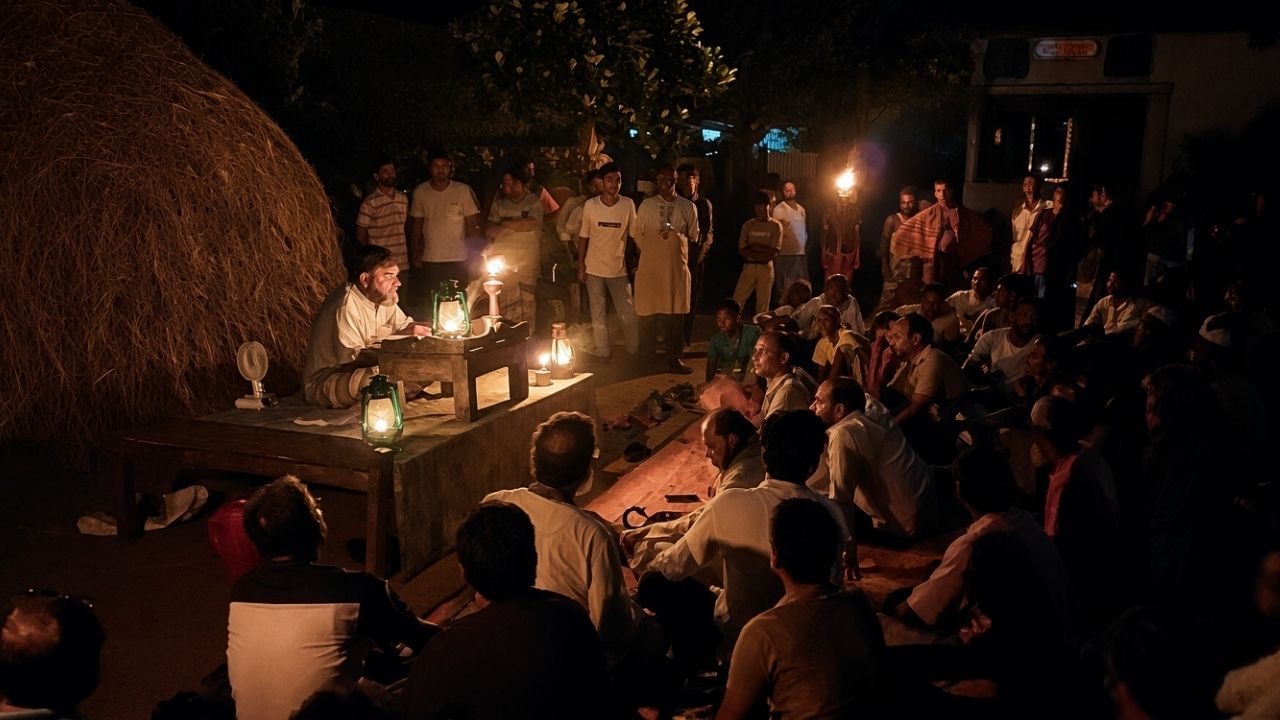
At a tribal gathering where Badr was being honoured with a medal, Sultan Mohammad Talaee, the head of a charitable foundation, publicly appealed for the reopening of schools for girls, stating that seeking knowledge is an obligation for both men and women in Islam.
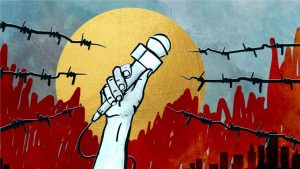
Talaee’s microphone was swiftly removed by officials, and he later told reporters that he had been prevented from speaking further. Most journalists in the country report being summoned or questioned by the Taliban’s intelligence organisation, Estikhbaraat.
The Taliban government’s spokesman, Zabihullah Mujahid, who publicly revealed his real name as Tahir Shah Seddiqi for the first time, defended these policies, asserting that human rights and freedom of speech must be viewed “through the Sharia lens”.
Mujahid stated that allowing women to work in offices would lead to “immoralities,” and that the issue of female education is currently “under discussions” to find a “Sharia-based solution”. Meanwhile, the group’s supreme leader, Hibatullah Akhundzada, remains based in Kandahar, rarely appearing in public and never granting media interviews.
Amidst these social restrictions, Afghanistan remains gripped by extreme economic instability, with poverty and unemployment soaring. The United Nations reports that three in four people in the country are unable to provide for their basic needs.
In rural areas, such as the southern cave networks where former fighters like Abid Lalai now man checkpoints under the interior ministry, local commanders like Abdul Samad emphasize that the population desperately lacks water, roads, and clinics.
Activists, however, argue that the regime’s strict policies are driven by fear. Hoda, a woman who protested on the streets when the Taliban returned to power, stated that the group is “scared of educated women” because they want uneducated women who cannot raise wise men, which she warned would ultimately end their rule.


