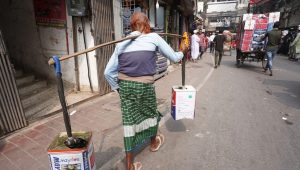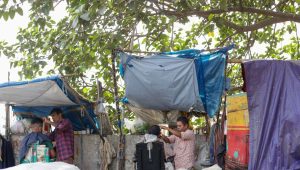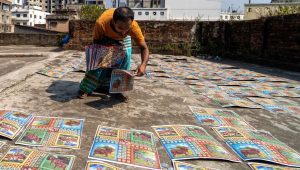
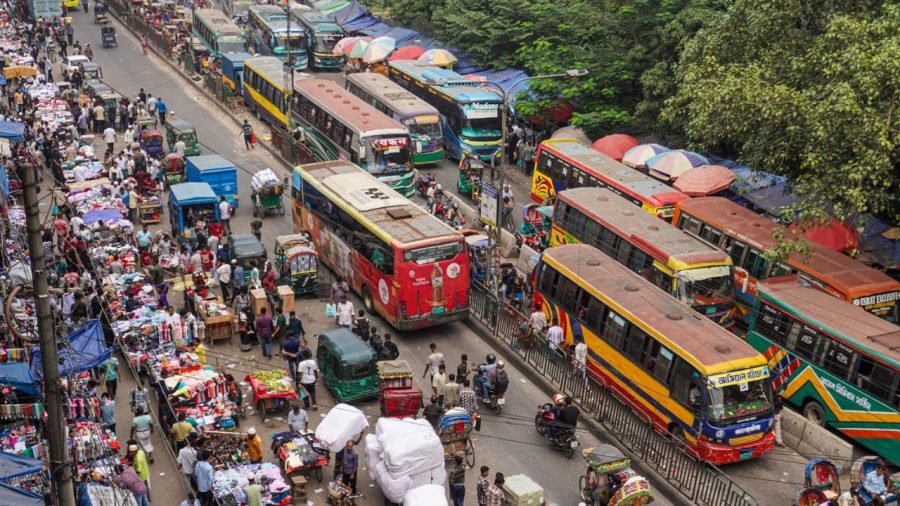



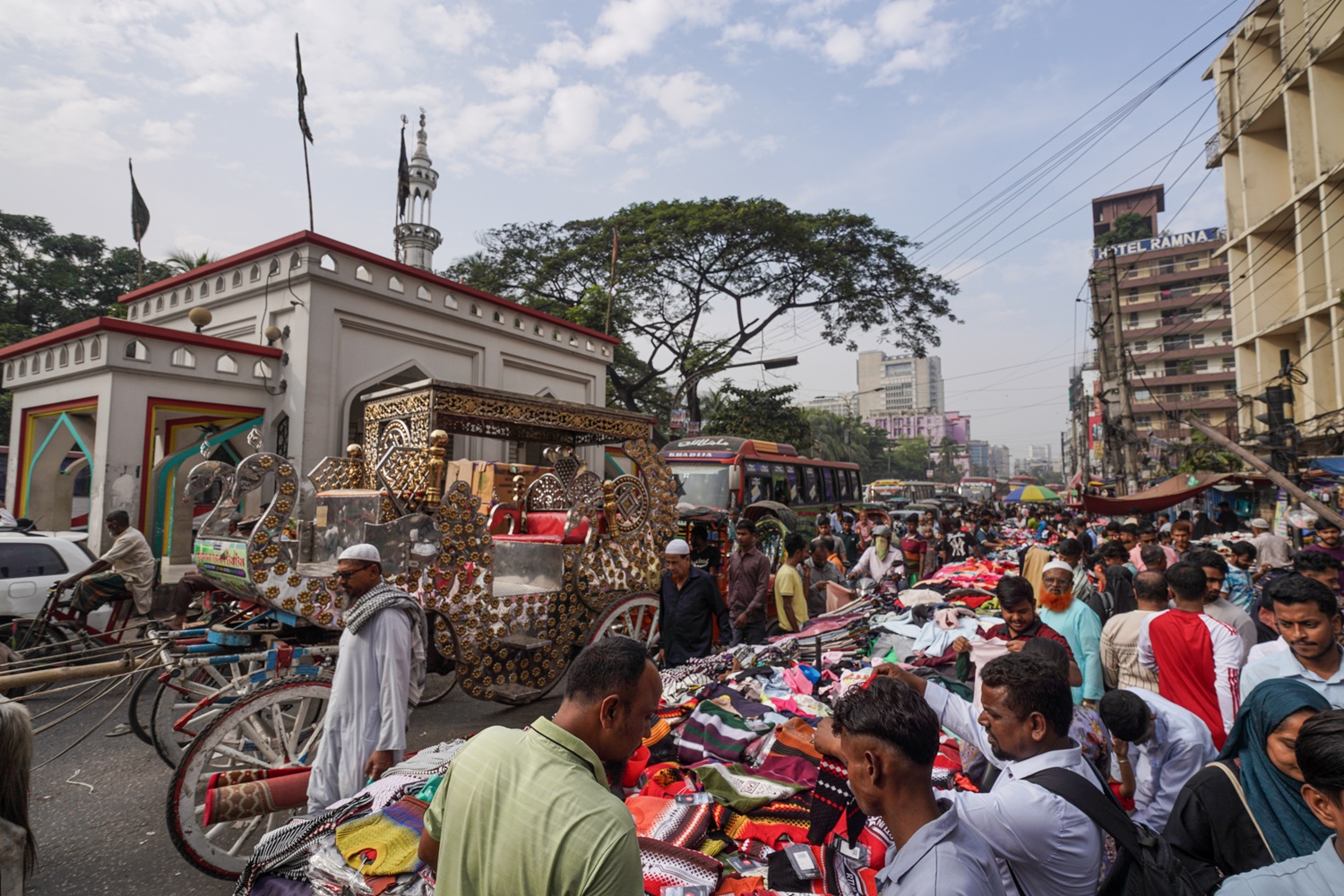
The streets and footpaths of Gulistan are caught in a familiar cycle. Authorities launch eviction drives to clear them of street vendors, stalls and pushcarts. The vendors move out, pack up their belongings and wait. Within days, sometimes even hours, they return to their former spots, and it’s business as usual.
It is a recurring game of cat and mouse that has continued despite repeated attempts to reclaim the city’s public spaces.
Since February this year, at least nine eviction drives have been conducted in and around Gulistan. Yet none has managed to keep the streets and footpaths clear for long. Once the authorities leave, vendors gradually return, not necessarily the same people, but occupying the same spaces, bringing in either new stalls or making do with whatever remains.
Following last month’s eviction drive, DSCC Administrator Md Abdus Salam took a firm stance against street vending along the stretch from Gulistan to Sadarghat, vowing to keep the roads free of vendors.
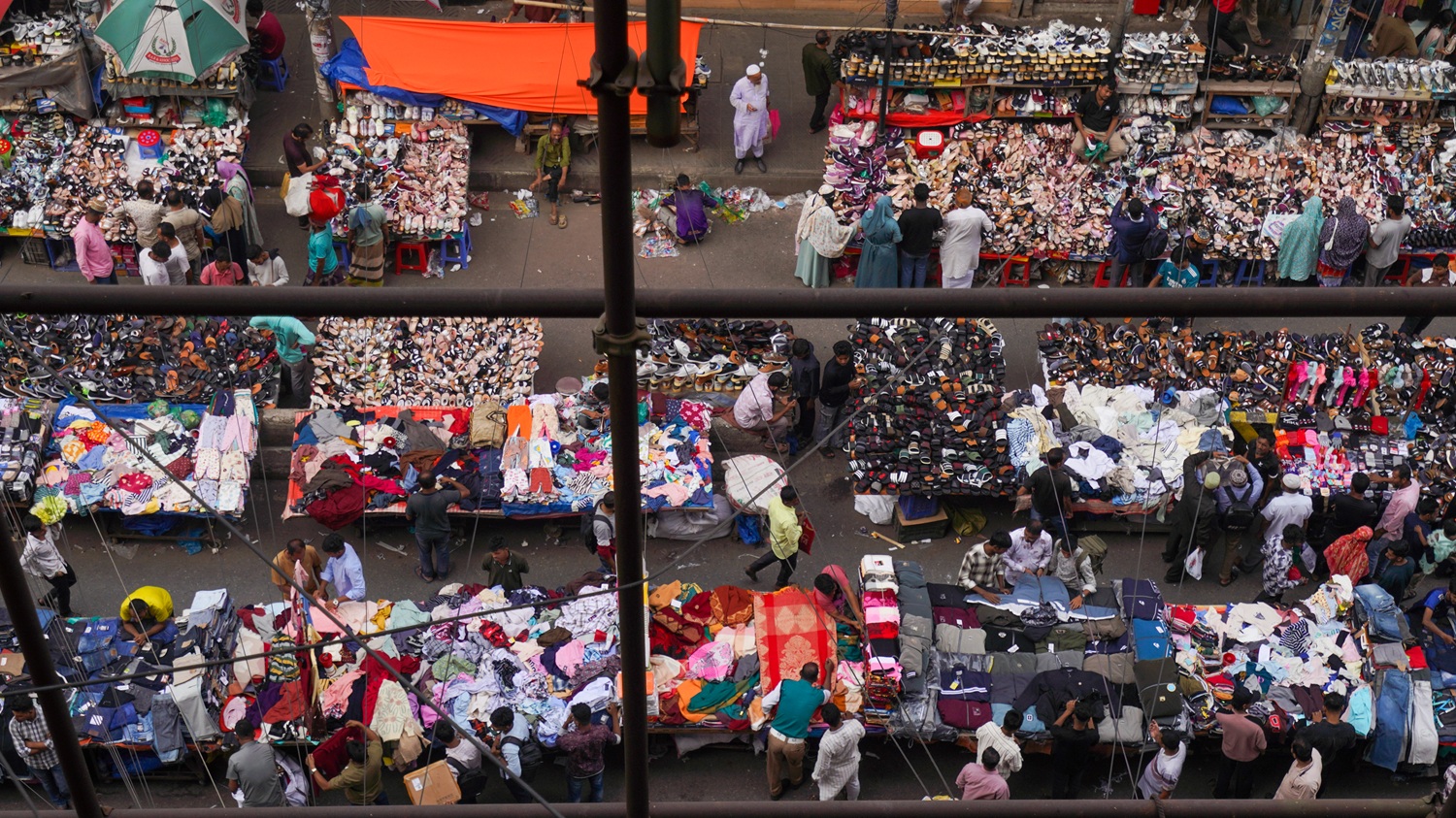
“Certain footpaths, night markets and holiday markets have been designated for street vendors. They will be allowed to operate only in those designated places. In particular, the entire stretch from Gulistan to Sadarghat will be kept completely clear, and vendors will under no circumstances be allowed to occupy the main roads,” he said.

He also said eviction and encroachment-removal drives were an ongoing process and would continue. But a visit to the area suggests that the authorities’ efforts have yet to bring about lasting change.
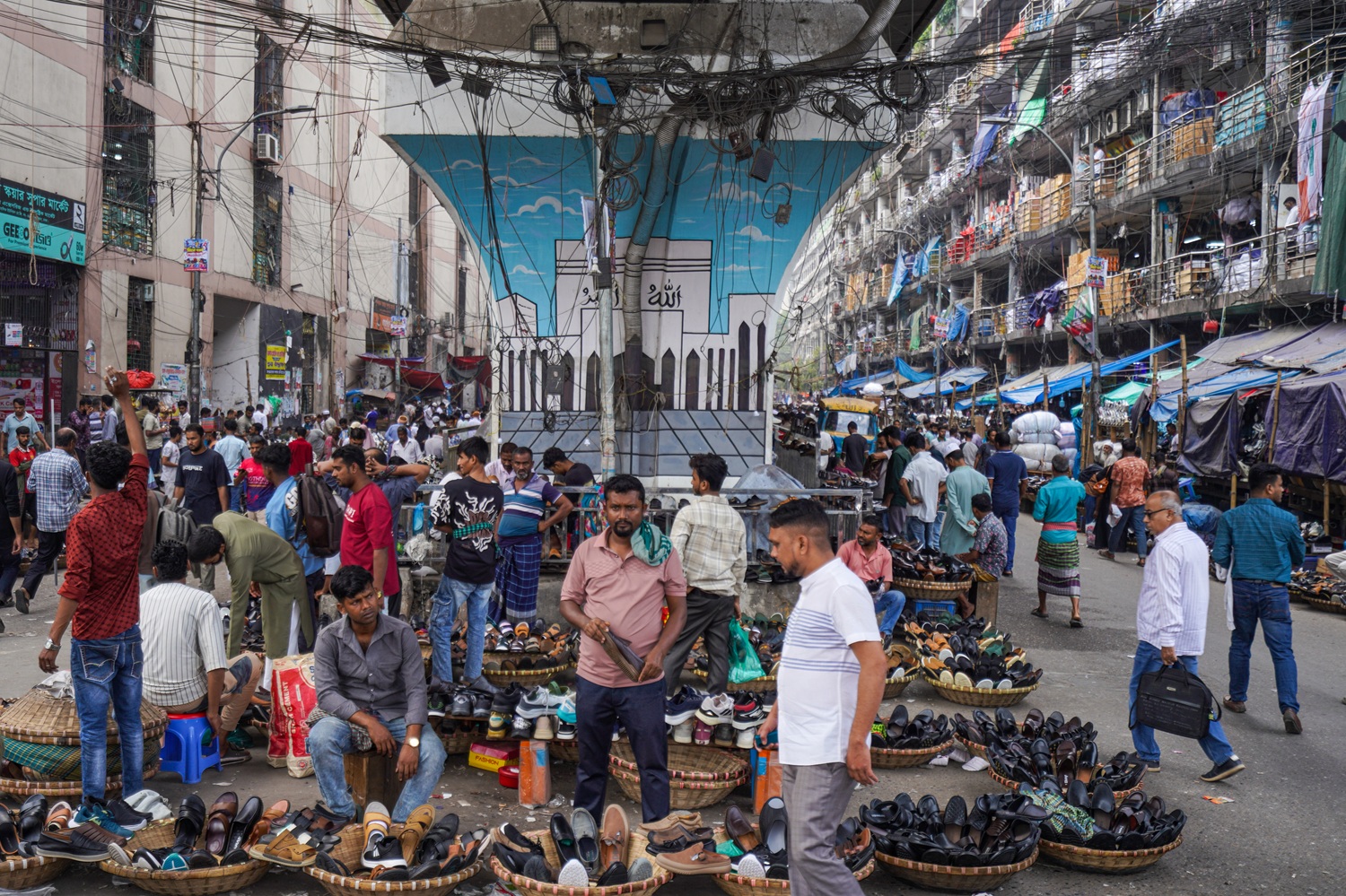
Mobile vendors have returned to the streets around Golap Shah Mazar, Gulistan Zero Point, Bangabandhu Avenue, Baitul Mukarram Mosque, the National Stadium and even the entrance to the Secretariat.
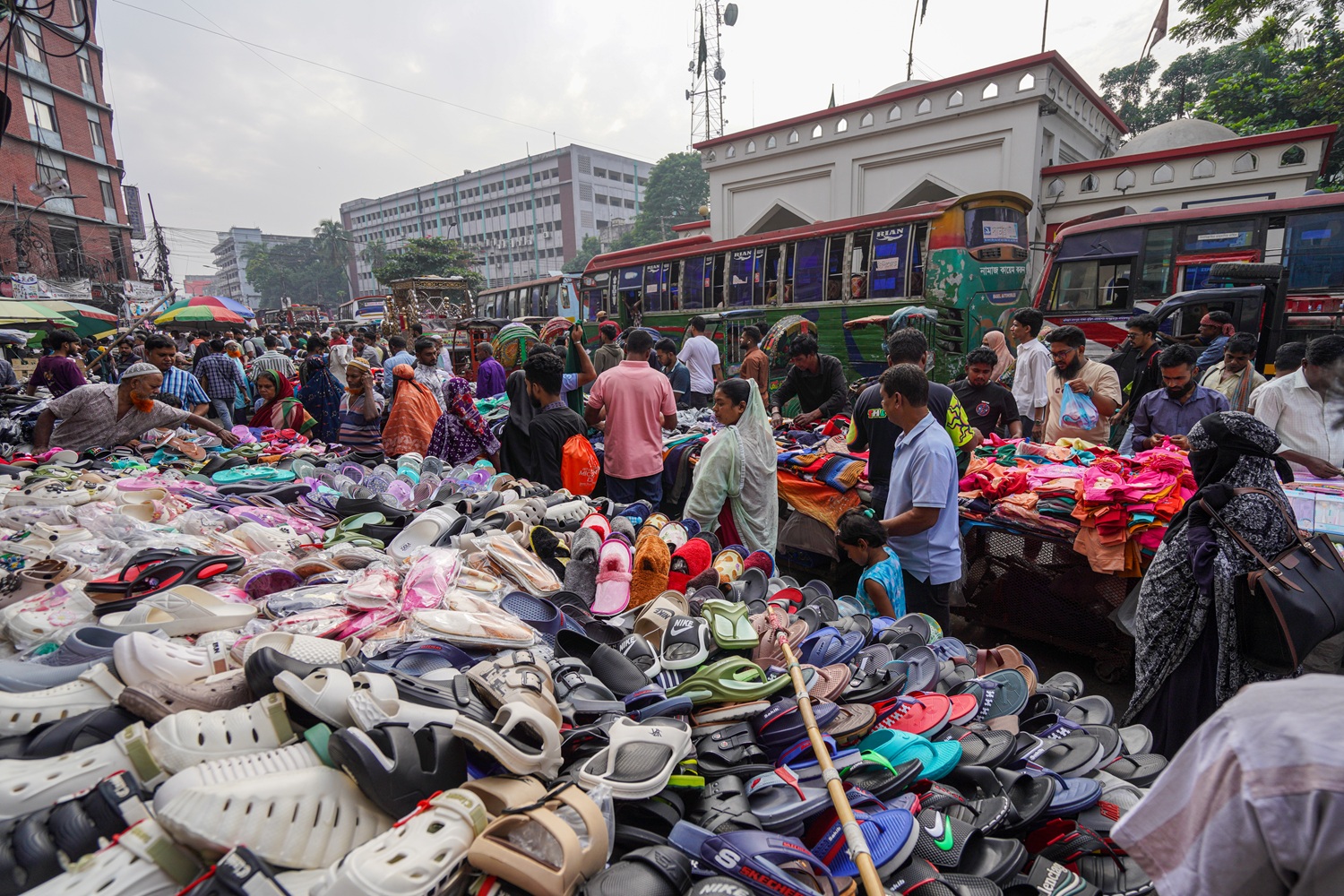
Almost the entire stretch from Gulistan Shopping Complex to Golap Shah Mazar remains occupied by street vendors. In some places, their numbers appear to have increased since the latest eviction drive.




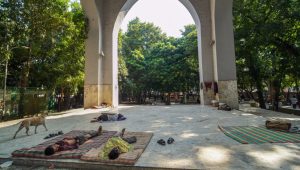
Some vendors have reportedly been paying to store their wooden stalls and pushcarts inside Gulistan Shaheed Matiur Park, keeping them safe from eviction before bringing them back on to the streets.
For many of these traders, returning is not simply a matter of defying the authorities. This is their livelihood, and leaving the footpaths means losing their source of income.
DSCC Chief Executive Officer Md Khaybar Rahman said the corporation had been working to enforce the eviction orders, with the city administrator personally leading many of the drives. However, he acknowledged that shortcomings in certain areas had prevented the eviction programme from being fully implemented.
For urban planners, the repeated failure to keep the streets clear points to a problem that cannot be solved through enforcement alone.
Adil Mohammed Khan, executive director of the Institute for Planning and Development (IPD), said the lack of a comprehensive plan had undermined efforts to address the hawker problem.

“Isolated eviction drives without a proper plan are nothing more than a public show,” he told TIMES.
He said a sustainable solution would require a comprehensive database of street vendors before any eviction operation. Authorities would then need to provide access to loans, rehabilitation facilities and designated spaces such as hawker zones, holiday markets and night markets.
Without such arrangements, vendors who depend on street trading for their income are likely to return to the same locations, regardless of how many times they are removed.
Until a more comprehensive approach is put in place, the cycle is likely to continue: eviction drives clear the streets, vendors retreat, and business resumes once the operation is over.
For now, Gulistan remains caught in the same familiar routine: evict, return, repeat.