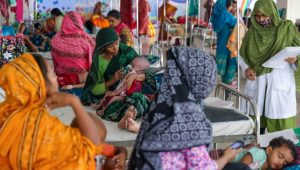
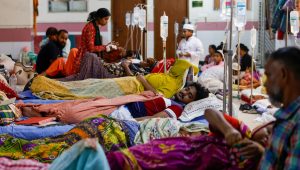
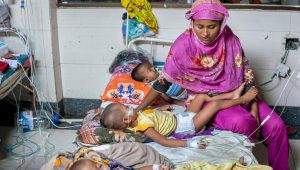
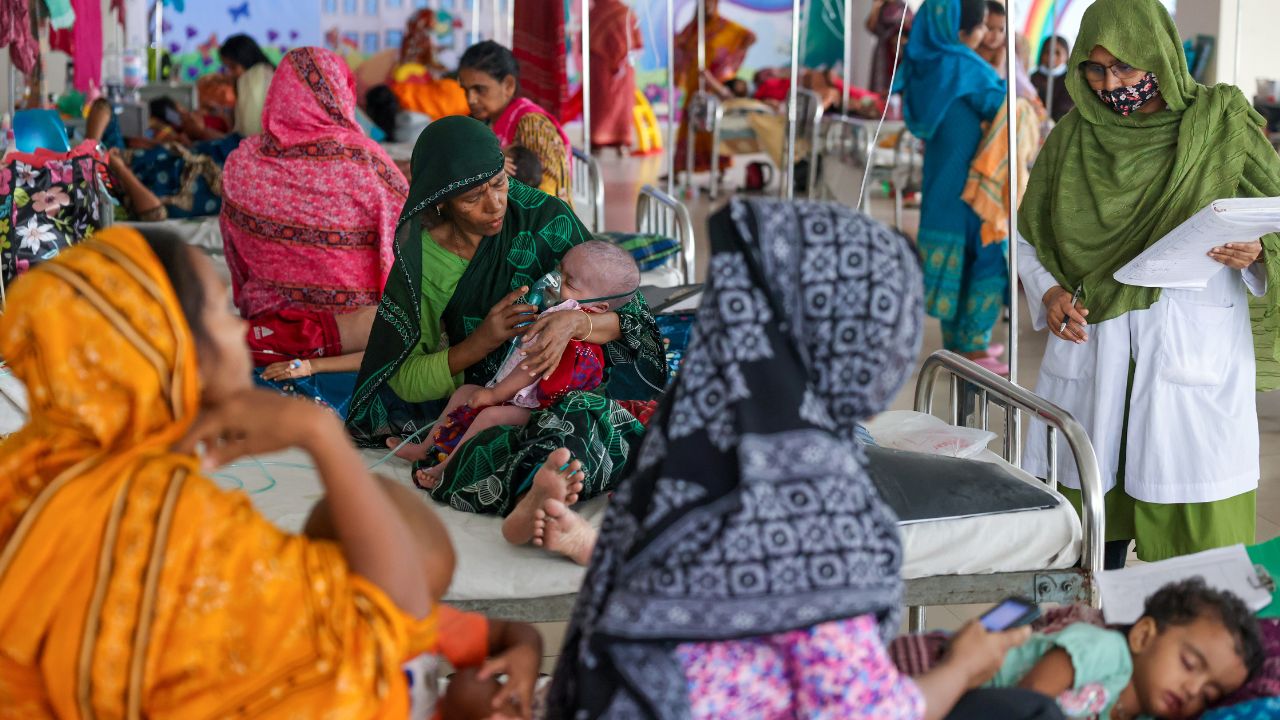
Mosleh Uddin Farid, the lawmaker for Jashore-2, has expressed grave concern over the state of Bangladesh’s health sector, noting that 80,000 positions currently remain vacant.
Participating in the discussion on the 2026-27 fiscal year budget in Parliament on Tuesday, he added that citizens are forced to spend approximately Tk1.5 lakh crore annually from their own pockets for medical treatment, accounting for 79 per cent of total health expenditure.
While welcoming the increase in the health budget, the reduction of taxes on medical equipment, and the initiative to make women’s education free up to graduation, MP Farid argued that merely increasing the budget is insufficient.
He stressed that the sector would not see desired improvements unless the manpower crisis, lack of medicine regulation, broken equipment, and weaknesses in primary healthcare are addressed.

Manpower and infrastructure crisis
The MP pointed out that the current health workforce is only 18 per cent of the target set by the World Health Organisation (WHO). He also alleged that many health workers do not remain at their posts in villages or rural health complexes.
He urged for a planned approach to develop trained manpower and effective measures to retain doctors, nurses, and technicians in their assigned areas.

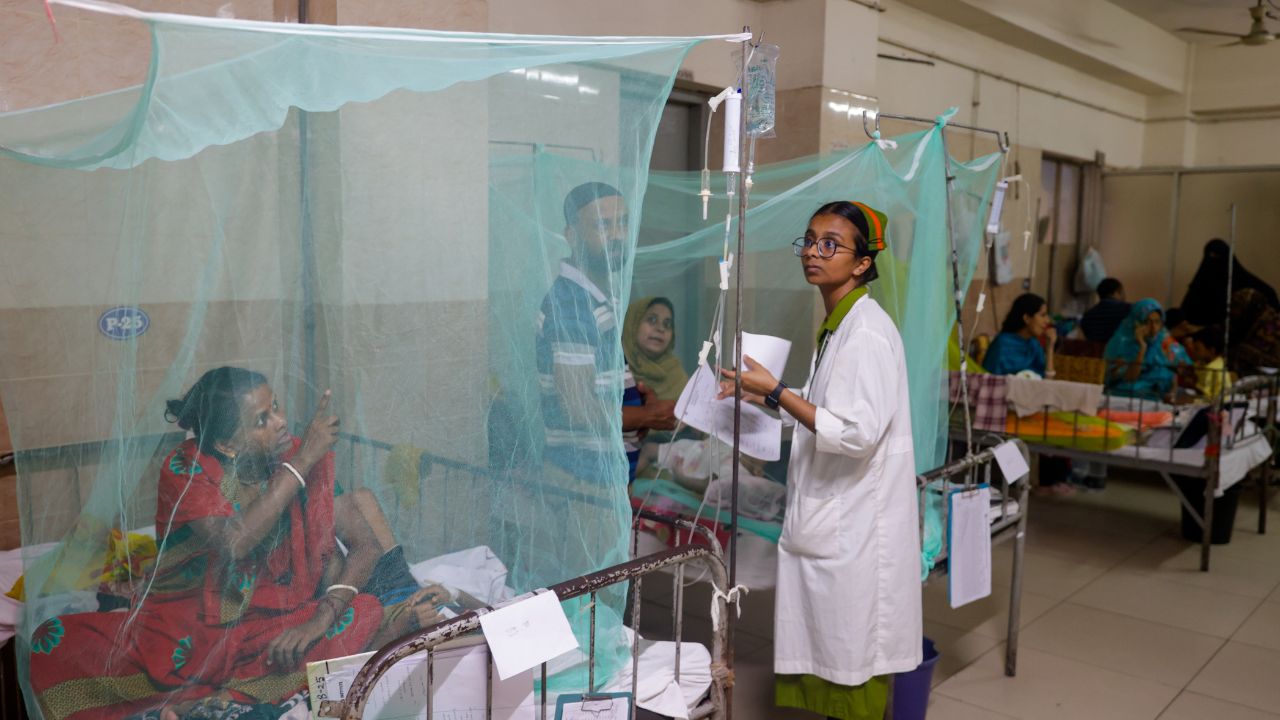
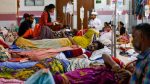
Furthermore, Farid revealed that more than 50 per cent of the country’s medical equipment is currently out of order due to a lack of minor repairs. He added that if these machines were made operational, the necessity for patients to seek expensive diagnostic tests at private facilities would significantly decrease.
Financial burden on citizens
Detailing the financial strain on the public, Farid noted that while the government’s health budget stands at Tk69,000 crore, the public spending is nearly double that amount.
Out of the Tk1.5 lakh crore spent out-of-pocket, approximately Tk90,000 crore is spent on medicine and Tk25,000 crore on various diagnostic tests. He called for stricter controls to prevent the use of unnecessary medication.
MP Farid pointed out that although the current health allocation of 1 per cent of GDP is a positive step, the target should be 5 per cent, noting that many neighbouring countries have already approached this level.
He also highlighted inefficiencies in fund utilisation, pointing out that Tk 2,000 crore from the operating sector and Tk 12,000 crore from the project sector were returned unused.
To achieve SDG-3 by 2030, he emphasised the need for increased investment in primary healthcare, research, and structural reforms. He concluded by stating that the general public would only reap the benefits if the core problems are identified and solved rather than just increasing the budget.