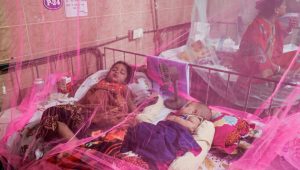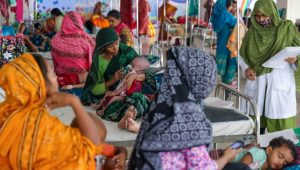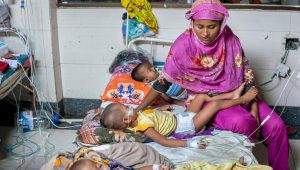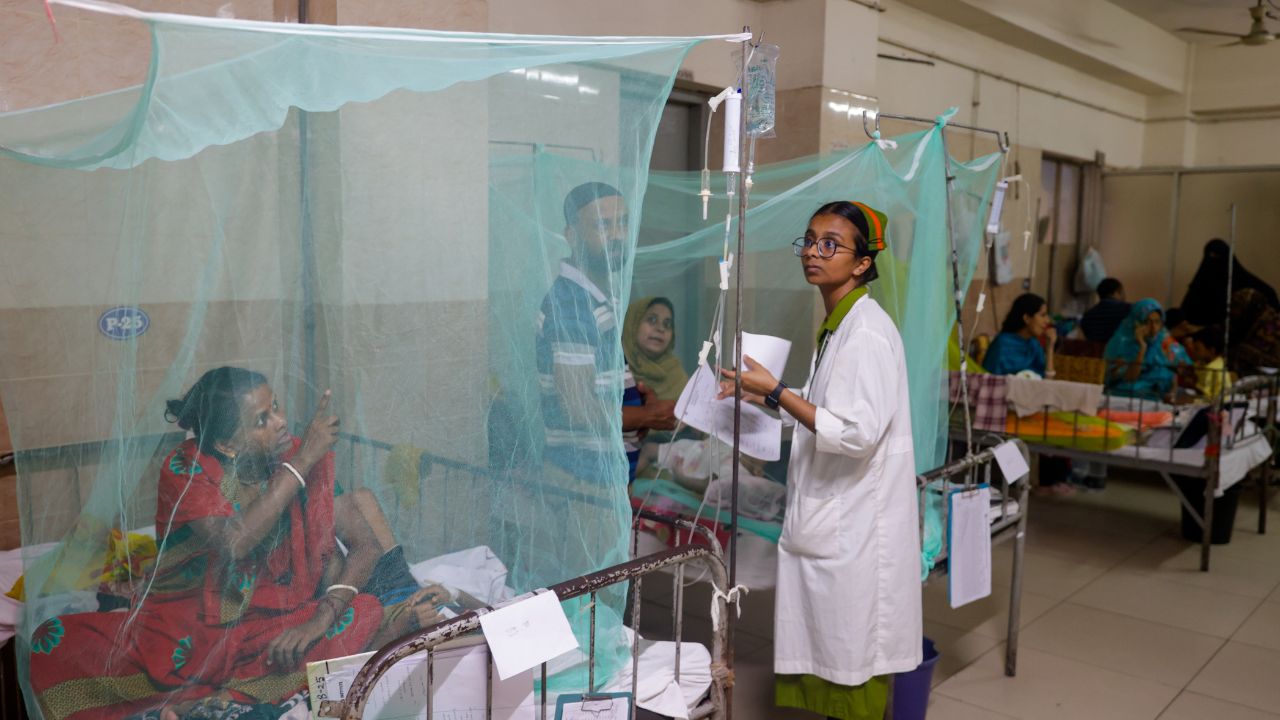

Dengue infections are rising sharply in Feni, with 294 new cases reported in the first 20 days of September as the mosquito-borne disease spreads rapidly, particularly in Feni municipality areas.
Over the past week, an average of 26 people have tested positive for dengue every day, putting additional pressure on government hospitals as well as private hospitals and clinics.
According to data from the District Civil Surgeon’s Office, 540 people have been infected with dengue in Feni until 20 September this year. The figure was 201 during the same period last year, showing a significant year-on-year rise.
Health officials said comparatively higher numbers of dengue patients have been detected in areas including Rampur, Old Police Quarters and Masterpara in Feni city. The increasing number of infections in residential areas has raised concern among locals.

Residents said intermittent rainfall over the past few days and stagnant water in different places have created favourable conditions for Aedes mosquito breeding. They also blamed inadequate drainage facilities for worsening the situation.
They alleged that water remains stagnant in drains, canals and waterlogged areas, while regular cleaning and effective measures to destroy mosquito breeding grounds are insufficient.


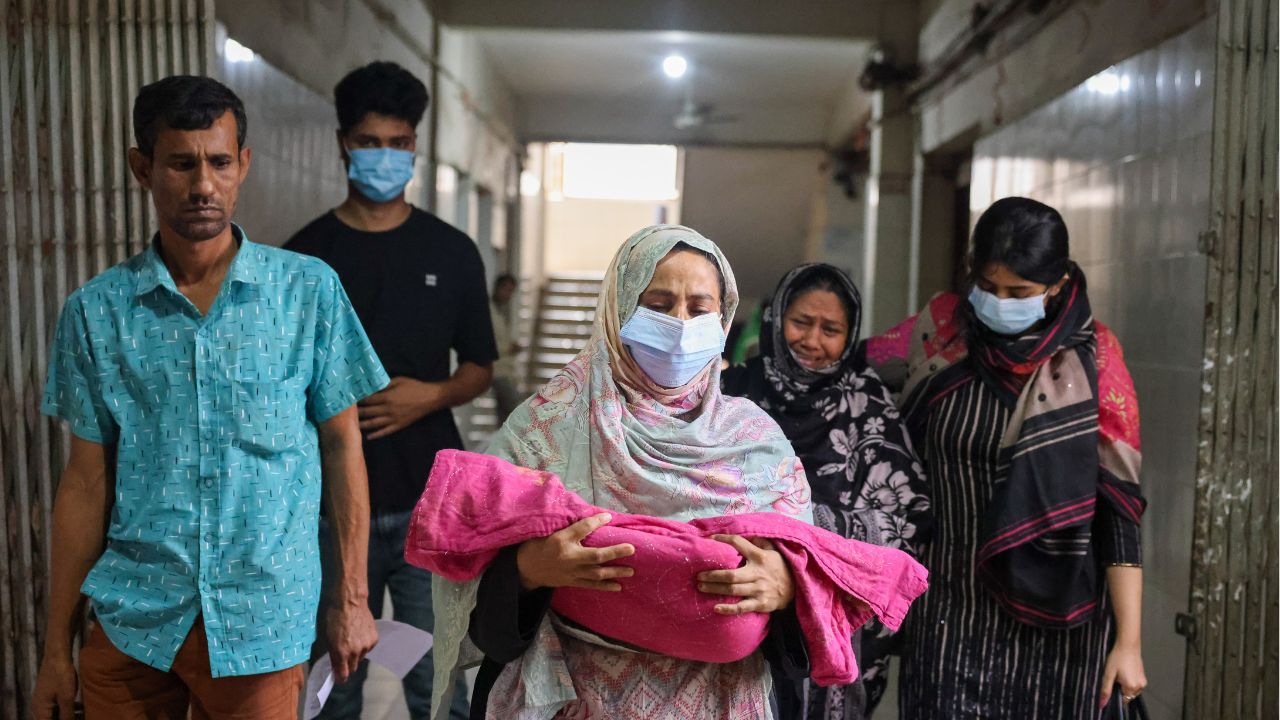

The rising number of dengue patients has also increased pressure on hospitals. Patients and their relatives said many people are turning to private hospitals and clinics after failing to receive expected services at government facilities.
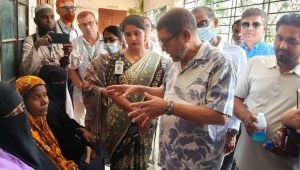
Dr Mohammad Mobarak Hossain, acting superintendent of the 250-bed Feni General Hospital, said the pressure on the hospital has increased with the rise in dengue cases.
“Necessary measures are being taken by the hospital to provide treatment to patients,” he said.
Although there is no officially recorded dengue death in Feni, reports indicate that three residents from the district died while receiving treatment in Dhaka and Chattogram.
Meanwhile, local residents have raised questions over mosquito control activities by the municipality. However, the municipal authorities and district administration said regular cleanliness drives and mosquito control operations are being carried out after identifying Aedes mosquito breeding sites.
Health officials said increasing treatment capacity alone would not be enough to control dengue. They stressed the need for sustained and effective measures to destroy mosquito breeding grounds, saying controlling the source of infection remains the key to preventing the disease.