


For thousands of migrants from Morocco and sub-Saharan Africa, Spain’s tiny North African enclave of Ceuta represents far more than a border crossing because it symbolizes hope for a safer and more prosperous future in Europe.
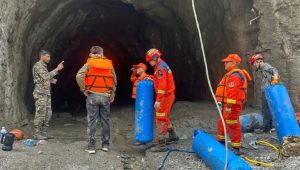
Every year, people risk dangerous sea crossings or attempt to scale fortified border fences in search of security and protection. The latest tragedy, in which at least 57 migrants lost their lives while trying to reach the territory, has once again drawn international attention to this route.
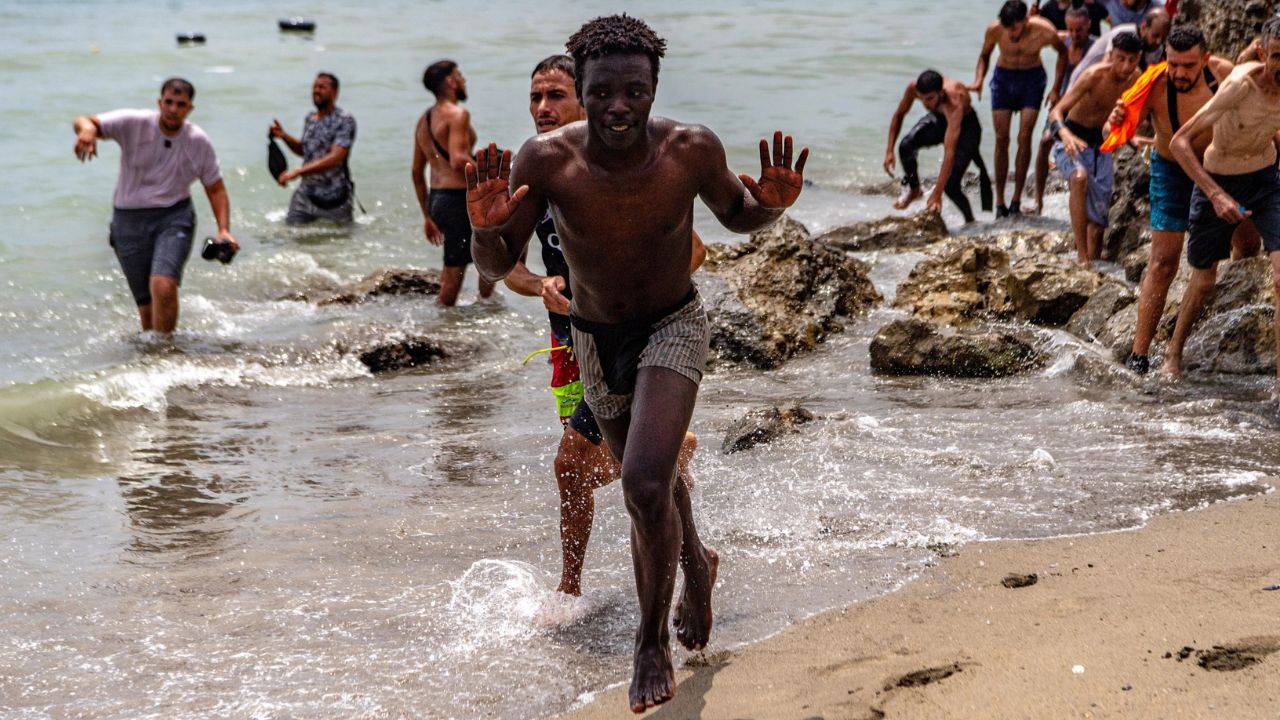
This unprecedented influx saw approximately 50,000 people enter the enclave within a single 24-hour period between July 30 and 31, 2026, prompting Spain to deploy military forces and intensifying the political debate over border security.
A strategic frontier and economic lifeline
Ceuta is a small Spanish autonomous city sharing an 8.4-kilometre (5.2-mile) land border with Morocco. Along with Melilla, it serves as one of the European Union’s only land borders with the African continent.
Reaching Ceuta means entering EU territory, which many migrants see as the first step toward building a better life despite the fact that arrival does not guarantee asylum or legal residence. For most, the decision to risk the journey is driven by economic necessity rather than politics.

Migrants from Morocco and sub-Saharan countries often flee persistent poverty and unemployment while others are escaping conflict or political instability farther south. They seek the education, healthcare, and long-term security they believe Europe offers despite the significant dangers involved.
The legal spark: Redefining border rejections
Spanish authorities linked the immediate trigger for the 2026 surge to a July 8, 2026, Spanish Supreme Court ruling.




The court established that immediate “hot returns” (devoluciones en caliente) are illegal for migrants intercepted at sea because they have not overcome a physical containment element like a fence.
This ruling established a clear legal distinction where authorities may still reject migrants who climb over physical barriers, but those who enter by swimming must now be processed through formal legal channels.
Following this decision, Spanish Civil Guard agents immediately stopped sea pushbacks and began granting migrants their legal rights until the law is specifically amended.
Exploitation and the role of smuggling networks
Spanish officials have accused organized human smuggling networks of exploiting the ruling by deliberately spreading misinformation. These networks allegedly suggested that migrants would have a much higher chance of remaining in Spain if they reached the enclave by water.
This encouraged thousands to attempt to swim around the Tarajal breakwater, leading to the stampedes and drownings that claimed 57 lives.
Migration activists, however, have questioned this narrative, arguing that most migrants were likely unaware of specific legal rulings and were driven instead by worsening regional economic conditions.
Geopolitical tensions and the path forward
Migration flows in Ceuta are often closely linked to the diplomatic relationship between Madrid and Rabat.
In May 2021, a similar crisis occurred when approximately 12,000 migrants entered Ceuta in two days after Moroccan guards appeared to relax border controls during a dispute over the hospitalization of a Polisario Front leader in Spain.
While there is no official indication that the 2026 surge was politically orchestrated, it occurred during Morocco’s Throne Day celebrations, highlighting how critical border cooperation remains in managing these pressures.
Until underlying causes like poverty and regional instability are addressed, Ceuta is likely to remain at the center of Europe’s migration debate.