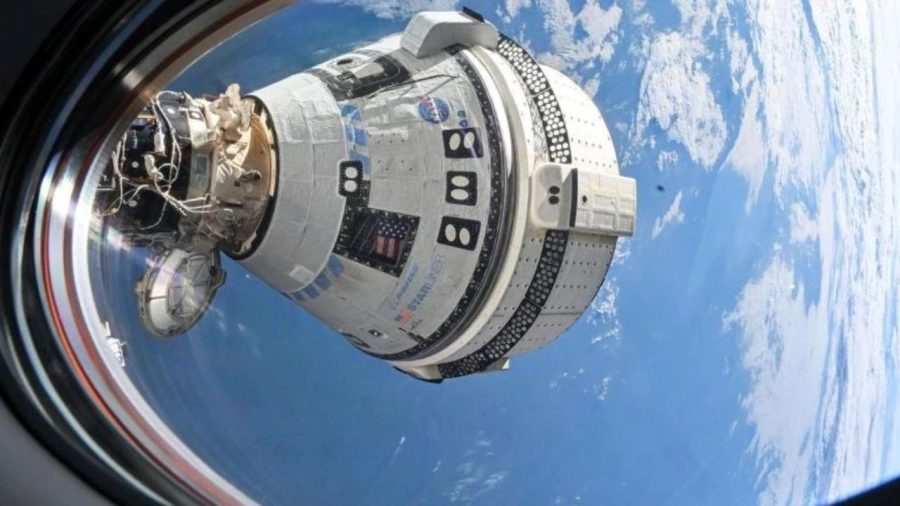



NASA is providing additional funding and technical support to help Boeing resolve problems with its Starliner spacecraft and bring it back into operation as the agency seeks a reliable alternative for astronaut missions.
The spacecraft encountered multiple technical issues during a 2024 test flight, leaving astronauts Butch Wilmore and Suni Williams aboard the International Space Station (ISS) for nearly a year. NASA later classified the mission as a “Type A mishap”, the agency’s highest category for crew safety incidents, reports AP.
NASA Administrator Jared Isaacman said on Monday that Boeing is expected to launch an upgraded Starliner spacecraft to the space station by December. The mission will carry cargo but will not include astronauts.
Astronaut flights on Starliner are unlikely to resume before 2028 as NASA and Boeing continue safety improvements that could take several months or longer to complete.

Dana Weigel, a NASA manager, said all technical issues affecting Starliner must be fully resolved before astronauts are allowed to travel aboard the spacecraft again.
“Bottom line: We’re on the right path,” said NASA astronaut Woody Hoburg, who will command the next Starliner mission.
Hoburg described Wilmore and Williams, who have since retired from NASA, as “American heroes” and said he was honoured to follow their mission.


NASA had planned to maintain two US-based spacecraft systems for transporting astronauts to and from orbit after the retirement of the space shuttle programme. The agency awarded billions of dollars to Boeing and SpaceX to develop commercial crew transportation services.
SpaceX became the first private company to send astronauts into orbit for NASA in 2020 and is preparing for its 14th crewed NASA mission later this week.
Boeing sent Wilmore and Williams to the ISS after two uncrewed Starliner test flights. However, the astronauts eventually returned to Earth aboard a SpaceX spacecraft nearly nine months later due to concerns over Starliner’s performance.
NASA’s renewed focus on Starliner comes as SpaceX prepares to shift gradually from its Falcon 9 rockets and Dragon capsules towards its larger Starship spacecraft, which reached orbit for the first time on Monday.
Weigel said further Starliner upgrades and new rocket certifications would require an additional $359 million in NASA funding. Planned improvements include replacing valves and seals linked to previous technical concerns.
The ISS is scheduled to be retired and deorbited by 2031, while several US companies are developing private space stations that will need dependable spacecraft to carry astronauts and supplies.
Although SpaceX’s Starship is designed mainly for missions to the Moon and Mars and is too large for some planned docking operations, NASA said Starliner remains an important part of its future commercial spaceflight plans.
Asked why NASA would not end the Starliner programme and pursue another option, Isaacman said the agency remained committed to completing the project with Boeing.
“We always were committed to seeing this through with Boeing,” he said, adding that the programme was now “on a very good path”.