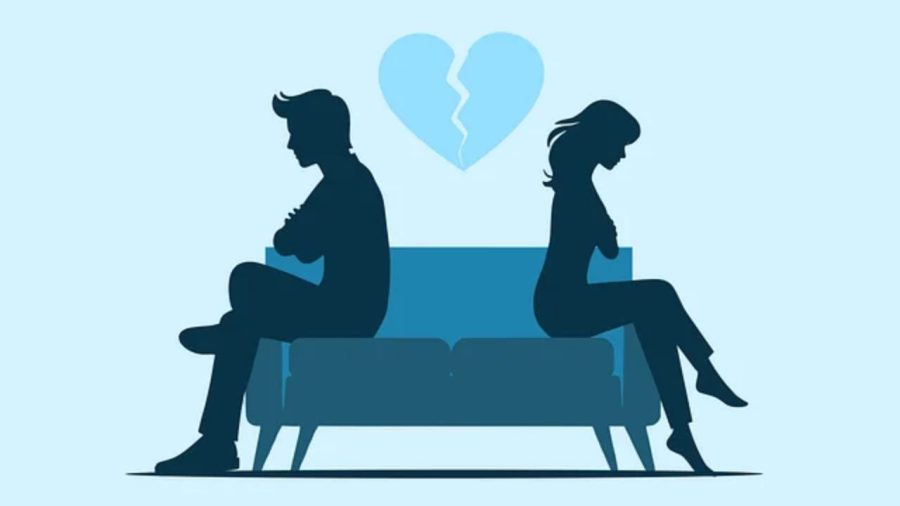



Living in an unhappy relationship can take a toll on both physical and emotional health, affecting not only partners but also their families. Frequent and hostile arguments can lead to poor sleep, heart pain and muscle pain, leaving everyone in the household, including children, more vulnerable to physical and mental health problems.
While a happy relationship can improve physical health and contribute to a longer life, an unhappy one can gradually undermine health and increase the risk of an earlier death. Poor-quality close relationships can pose a health risk comparable to, or greater than, smoking or a lack of exercise, alongside the emotional pain associated with a relationship breaking down, reports BBC.
However, a growing body of scientific research suggests that unhappy relationships can be improved, offering hope to couples willing to work on their relationship.
Why couples keep arguing about the same issues
Studies show that the subjects couples argue about, often described as perpetual or gridlocked issues, tend to remain largely unchanged throughout a relationship. These can range from major concerns to seemingly minor disagreements over dirty dishes or neatness.
Carrie Cole, a psychologist and director of research at The Gottman Institute, a couples therapy organisation in Seattle, US, said gridlocked issues commonly involve finances, parenting, sex lives, negotiations over power, or neatness.
In a longitudinal study, psychologist John Gottman and his team observed couples during an initial assessment and followed up with them four years later. They found that couples were still arguing about the same types of issues 69 per cent of the time.

Conflicts over fundamental issues such as money occur across households and cultures and often lead to the most persistent and heated arguments. An unequal division of household chores also increases the likelihood of divorce.
Researchers, however, stress that disagreement itself is not necessarily harmful. Arguments can be a natural part of understanding and responding to a partner’s needs, with both happy and unhappy couples experiencing conflict.
How couples handle conflict matters
The key difference lies in how partners treat each other during arguments and in their interactions outside them.
Cole highlights four behaviours identified by studies as particularly damaging to relationships: criticism, contempt, defensiveness and stonewalling, which involves withdrawing from a conflict by refusing to engage.




She said these destructive behaviours can be addressed if both partners are willing to work on them.
Separate research has found that persistent criticism from a partner is a significant predictor of an earlier death. Arguments marked by aggression, hostility and destructive behaviours increase the risk of divorce, while constructive disagreements centred on mutual resolution, respect, curiosity and kindness can strengthen relationships.
Feeling that a partner is responsive — listened to, supported and understood — is associated with greater marital satisfaction, reduced inflammation and improved physical health and longevity.
Kindness and cooperation can also help sustain long-term goodwill. A 20-year study of married couples linked shared decision-making and an equal division of housework with greater marital happiness and less conflict.
The way couples argue can also affect their sleep. Destructive arguments are associated with poor sleep, while constructive discussions are linked to better sleep.
Couples therapy can help rebuild empathy
Research shows that couples therapy can help partners move from hostile conflict towards more supportive interactions, producing positive outcomes for 70 per cent of couples who undertake therapy.
Therapy can address relationship problems, increase satisfaction, prevent distress, strengthen emotional intimacy and improve individual physical and emotional health problems.
Jay Lebow, a couples therapist and clinical professor of psychology at the Family Institute at Northwestern University in Evanston, Illinois, and co-author of a review confirming the effectiveness of couples therapy, said empathy is often eroded in distressed relationships.
According to Lebow, rebuilding empathy is a central challenge in therapy. Signs that therapy is working include better speaking and listening skills, as well as the ability to step back and ask, “what’s going on between us”, rather than focusing solely on a partner’s faults.
He said evidence strongly supports positive outcomes when partners actively work to address problems in their relationship.
Understanding the deeper reasons behind conflict
Cole identifies two important signs of hope during therapy. One is a partner accepting influence by saying, “I can see why you would feel that way.” The other is showing curiosity by asking, “Tell me more about that, how did you come to believe that?”
Resolving gridlocked conflicts often requires partners to understand the deeper dreams and goals underlying their disagreements.
Cole illustrates this with the example of a couple who repeatedly argued about money because of their different childhood experiences of growing up in poverty. The wife sought financial security and independence through saving and strict budgeting, while the husband wanted to spend their hard-earned money on nice things as a way of feeling included in society.
Although they frequently fought over spending, they had never discussed the deeper reasons behind their opposing views. Through therapy, they listened to each other’s painful childhood experiences, learned to compromise and agreed on structured allocations for savings and personal spending.