
Rising temperatures are increasingly affecting Bangladesh, with heat-related health issues and productivity declines causing an economic loss of up to $1.78 billion in 2024, which represents approximately 0.4% of the country’s GDP, according to a World Bank report.
Released on Tuesday, the report indicates that since 1980, the country’s maximum temperature has increased by 1.1 degrees Celsius, while the “feels-like” temperature has risen by 4.5 degrees Celsius.
Titled “An Unsustainable Life: The Impact of Heat on Health and the Economy of Bangladesh,” the report highlights the growing threats of elevated temperatures, which have exacerbated health problems and weakened the nation’s workforce.
The World Bank conducted an in-depth analysis of national temperature and humidity trends spanning 1976 to 2023 and included findings from a 2024 household survey, which involved over 16,000 respondents.
The report states that since 1980, Bangladesh’s maximum temperature has risen by 1.1°C, while the “feels-like” temperature has surged by 4.5°C.
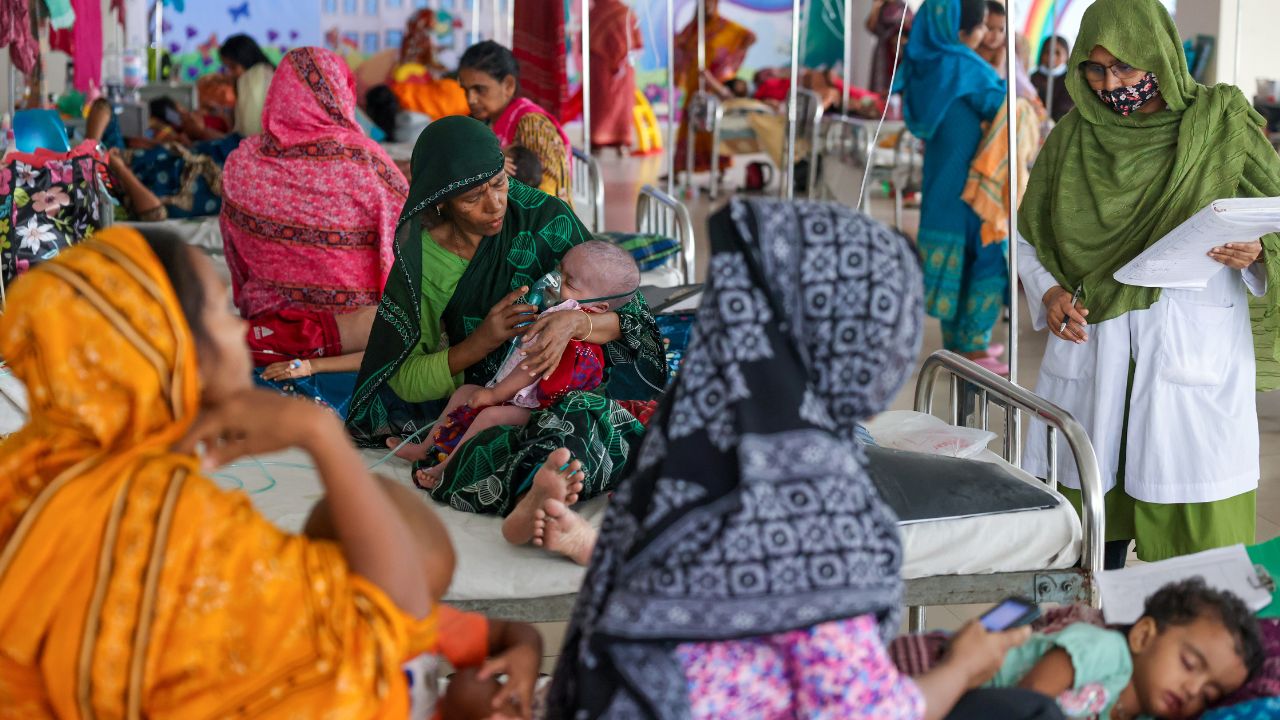
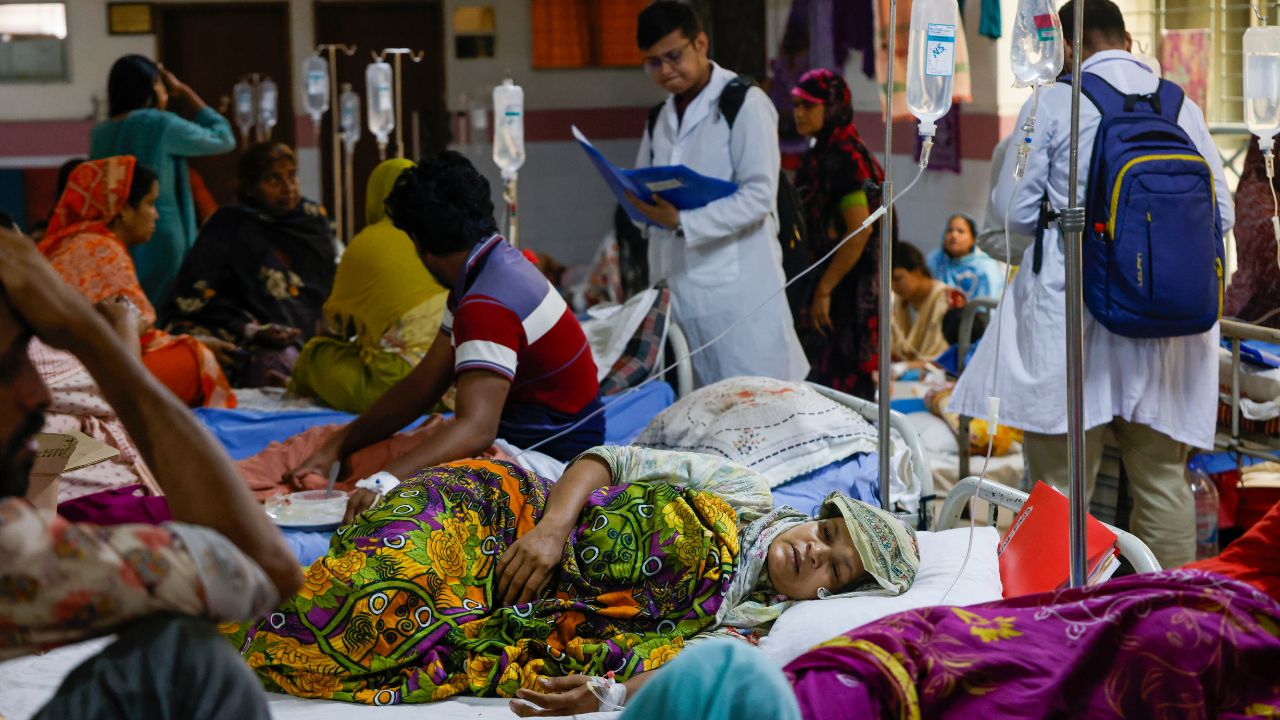
These shifts have contributed to increased occurrences of health issues such as diarrhoea, respiratory diseases, fatigue, and persistent cough. Furthermore, heatwaves have been linked to rising rates of mental health conditions, including depression and anxiety.
“Extreme heat is not just a seasonal inconvenience. Its impact is far-reaching,” said Jean Pesme, World Bank division director for Bangladesh and Bhutan.

He added, “The rising temperature is affecting our health, productivity, and ultimately, the country’s prosperity.
“However, by leveraging its experience in climate adaptation and adopting a coordinated approach, Bangladesh can mitigate the impacts of heatwaves and ensure sustainable growth, as demonstrated by countries like Singapore.”
Heat index rising in Dhaka
Bangladesh ranked 2nd globally in heat exposure. Dhaka is particularly vulnerable, with its heat index rising about 65% higher than the national average.
The report underscores the health risks posed by extreme temperatures, particularly in the summer, when the incidence of diarrhoea and persistent cough doubles compared to winter.


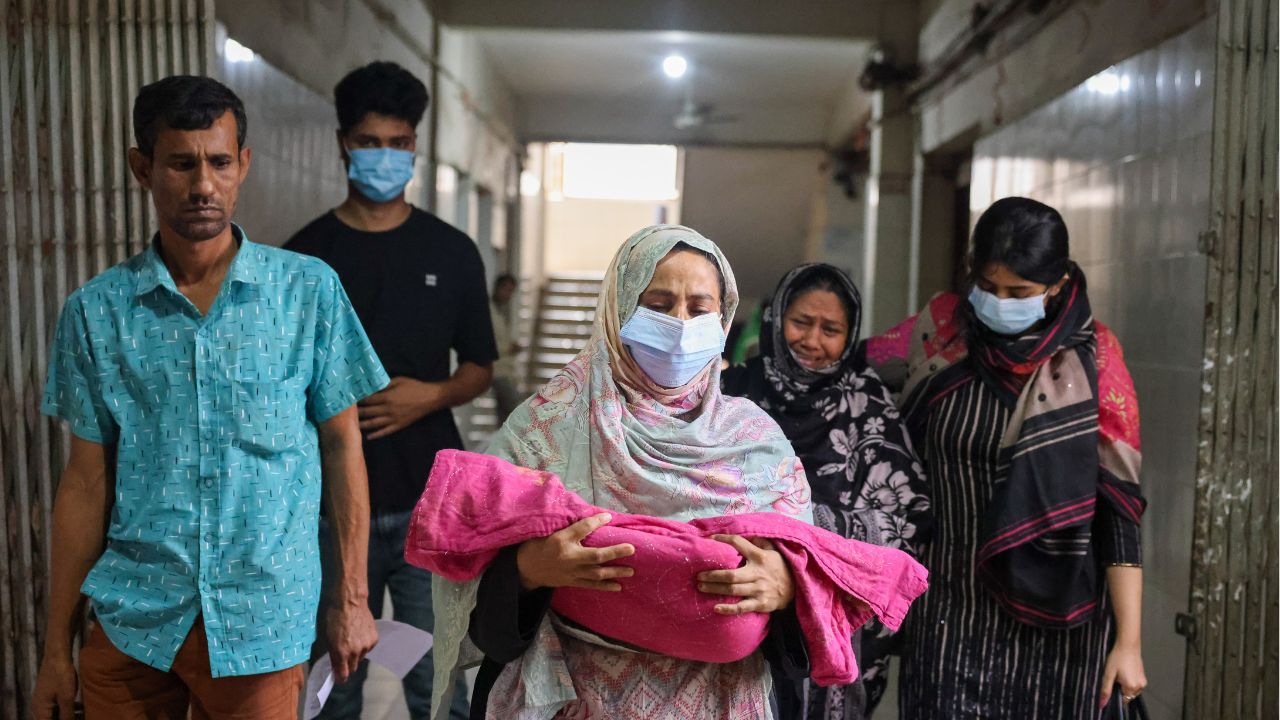
Women are notably more susceptible to heat-induced illnesses like exhaustion and heat stroke. Mental health issues also worsen in the heat, with depression increasing progressively with age, particularly among those aged 50-65. Anxiety levels peak in this age group as well.
Additionally, productivity losses are higher during the summer due to the physical and mental strain induced by extreme temperatures.
Environmental adviser calls for action
Speaking at the report launch event as chief guest, Environment Adviser Syeda Rizwana Hasan emphasised the need for a shift in mindset regarding urban planning and environmental protection.
“We must prioritise the protection of forests around Dhaka. Reducing heat is not impossible, but the damage caused by unregulated land distribution to ministers and MPs needs to be reversed,” she said.
“The plans by Rajdhani Unnayan Kartripakkha (Rajuk) must be revised to avoid further exacerbating the situation.”
Rizwana stressed the importance of preserving agricultural land and decentralizing Dhaka to reduce pressure on the capital. “We must also reassess our lifestyle choices and ensure that Dhaka does not exceed its capacity,” she added.
Calls for financial accountability, adaptation
Professor Sayedur Rahman, special assistant to the chief adviser of the Ministry of Health and Family Welfare, echoed concerns about Dhaka’s growing heat island effect.
“Dhaka is essentially a heat island, and this problem is exacerbated as you move out of Savar. We need to find ways to address this issue, which is a direct result of climate change,” he pointed out.
Rahman called for those responsible for climate change to contribute financially to mitigation efforts. “In many countries, people are taxed to enter cities. If even a fraction of the financial losses caused by heat could be redirected toward development, the situation could improve significantly.”
What can be done?
The report calls for immediate, coordinated action to protect people’s health and the economy from escalating heat risks. It suggests a multisectoral approach to enhance national preparedness for heatwaves, including equipping health systems to manage heat-related illnesses.
Furthermore, adaptation measures such as creating urban green spaces and collecting accurate weather and health data are recommended to help inform decisions and reduce exposure to heat risks.
World Bank Senior Operations Officer and co-author of the report, Iffat Mahmud, stated, “Our analysis reveals a clear connection between exposure to extreme heat and deteriorating health outcomes, along with substantial productivity losses.
“To mitigate these risks, evidence-based policies and targeted investments are essential to safeguard the well-being and livelihoods of Bangladesh’s people.”
The report also calls for international support and public-private financing to help Bangladesh tackle the challenges posed by global warming.