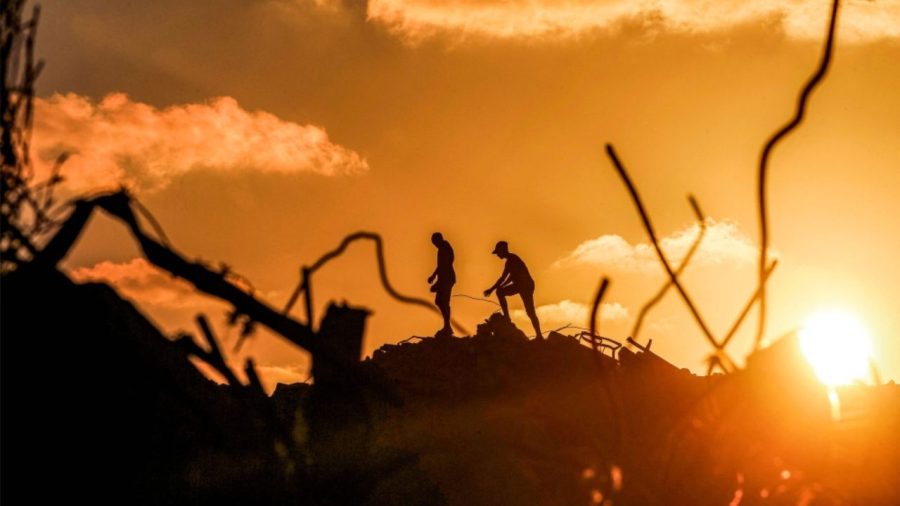



In a sweltering nylon tent pitched beside the rubble of her former home in central Gaza’s Nuseirat camp, Najwa Abu Eita lives with the enduring scars of an unrelenting war.
An Israeli airstrike in September 2024 killed her seven-year-old daughter, injured her three other children, and left Abu Eita with severe facial disfigurement, impaired breathing, and the loss of an eye.
Once a hairdresser, she now sits jobless, wrestling with an intimate heartbreak.
Her four-year-old son avoids looking at her face, offering innocent solace: “Momma, I’ll give you one of my eyes. And inside, I’m weeping,” she says.
Abu Eita’s tragedy mirrors the collective devastation of the Gaza Strip three years after Israel’s launched its offensive on 7 October 2023, following a Hamas-led attack on southern Israel.
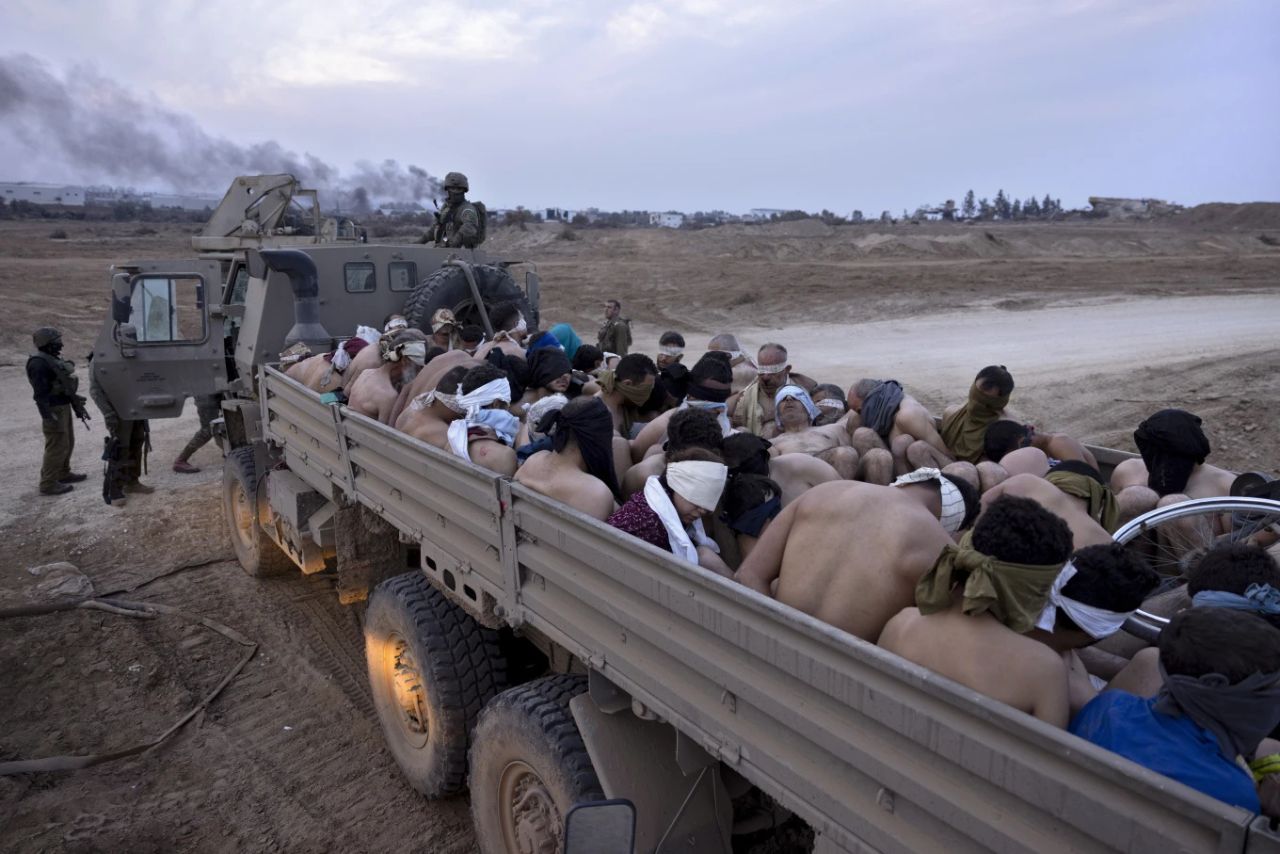
Over the past 36 months, the genocide carried out against the Palestinian operations have transformed the coastal enclave of two million Palestinians into an unrecognisable wasteland of mourning and displacement.
Three years of bombardment have killed at least 74,000 Palestinians, including more than 21,000 children, though many believe that the number is likely much higher, with bodies yet to be recovered from underneath the rubble.
That constitutes about one in every 30 people, or 3 per cent of Gaza’s population.

More than 175,000 people – one out of every 13 residents – have been wounded.
The World Health Organization estimates that nearly a quarter of the injured have suffered life-altering traumas requiring long-term rehabilitation.
Overall, more than one in 10 inhabitants has been killed or maimed.
Though a ceasefire officially took effect on 10 October 2025, peace remains an illusion.
Israel has violated the truce on 325 of the past 361 days, conducting near-daily strikes on tents, vehicles, and buildings that continue to kill civilians.
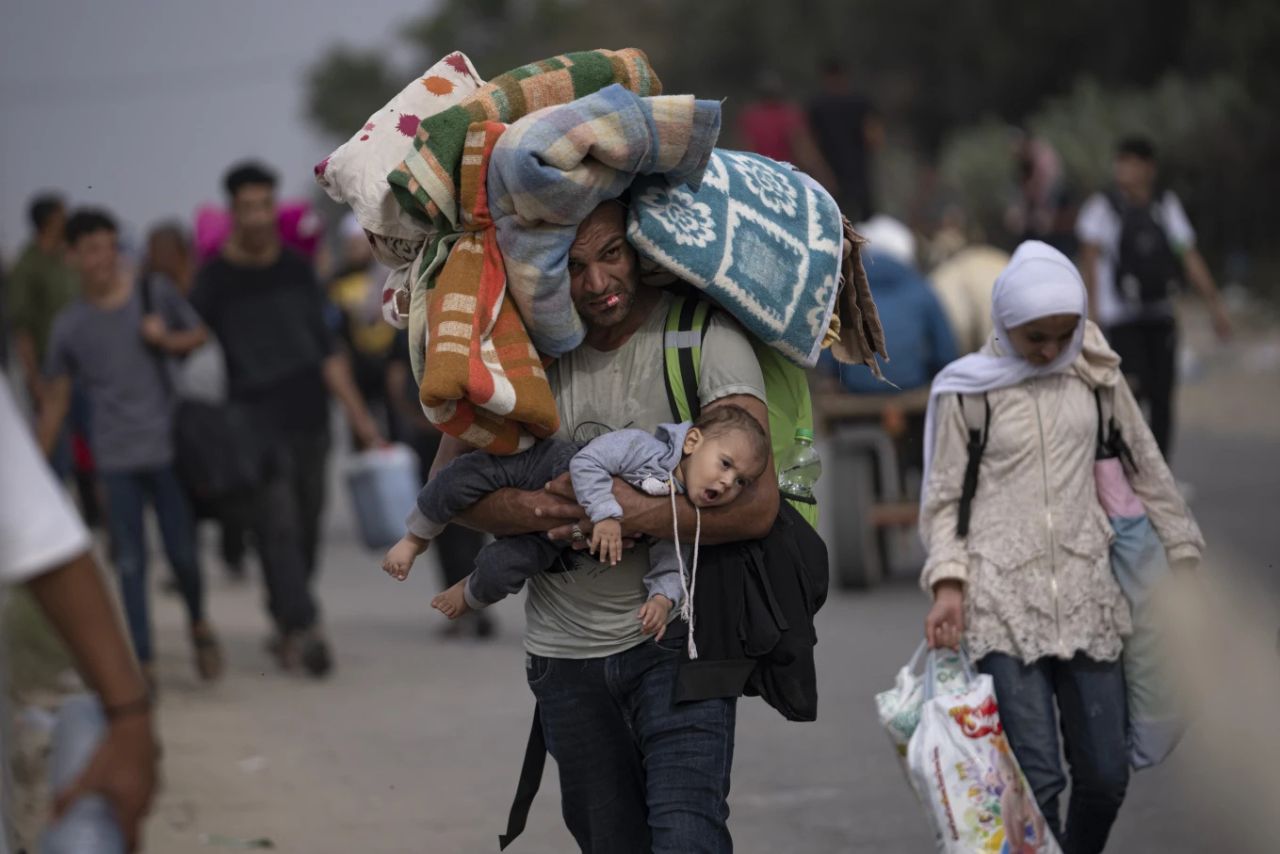
Since the ceasefire was declared, at least 1,460 Palestinians have been killed and over 5,100 wounded.




Large-scale reconstruction has never begun, stalled by disarmament disputes and an Israeli embargo on building materials.
Satellite imagery from Planet Labs PBC confirms that Israeli forces have systematically razed the areas they hold, establishing an enduring military footprint.
Today, Gaza’s population is squeezed into approximately 40 per cent of the enclave, while the Israeli military controls the remaining 60 per cent.
The southern city of Rafah, once home to a quarter million residents, has been completely erased, its municipal fields turned into military bases.
In the north, historical Shijaiyah, Beit Hanoun, and the town of Bani Suheila have been flattened into dirt paths and rubble.
Planet Labs imagery shows at least 50 Israeli military outposts built across the territory, including 18 constructed after the ceasefire began.
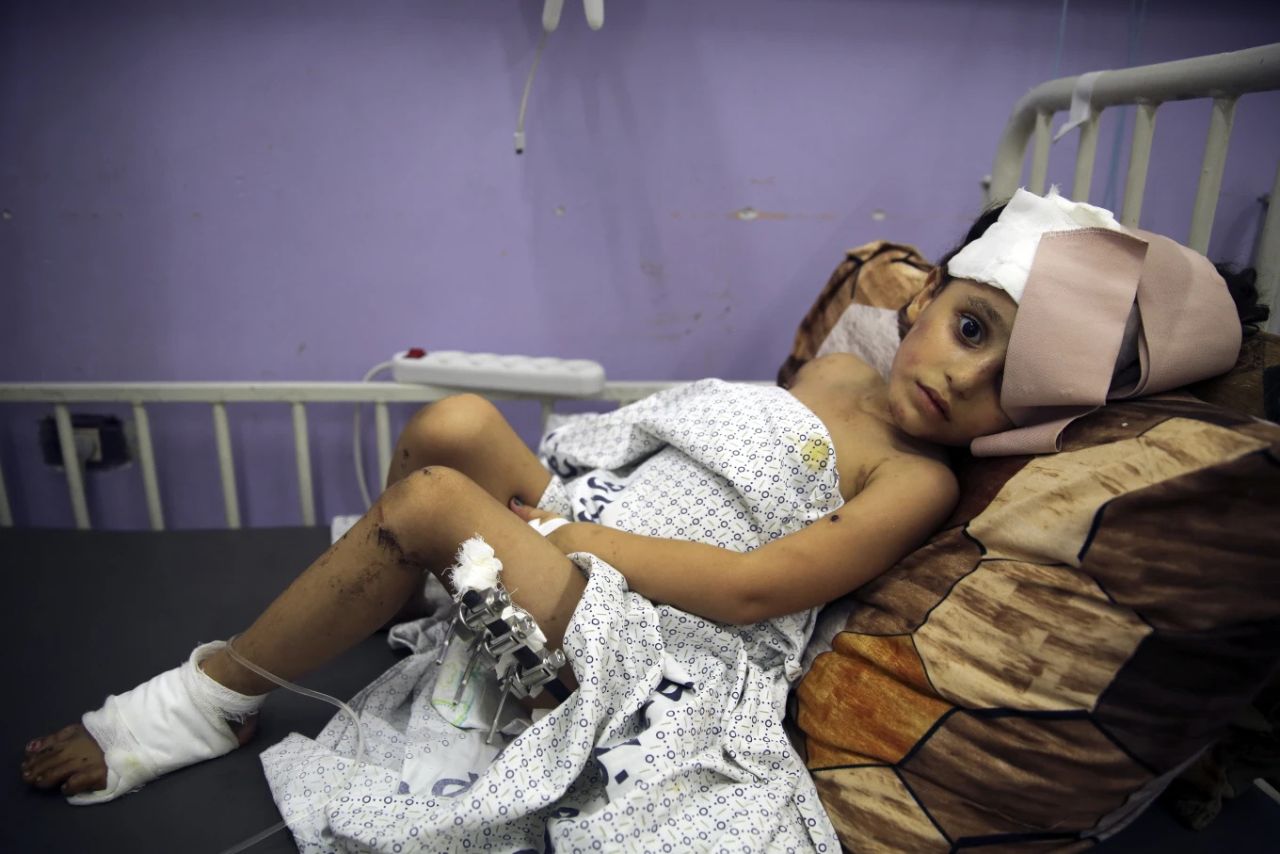
In total, 82 per cent of all structures in Gaza are damaged or levelled, leaving 1.98 million people displaced into one of the world’s densest tent cities.
A United Nations-appointed expert concluded that the destruction of civilian housing is unprecedented in modern warfare since the 20th century.
Life’s essential infrastructure has been gutted.
About 94 per cent of healthcare facilities are out of service, with only 42 of 666 functioning.
The Indonesian Hospital remains shut, and Jabaliya’s al-Awda Hospital complex has been reduced to rubble.
Water networks are crippled, leaving 91 per cent of households facing severe water insecurity, with half surviving on less than six litres daily, far below the 20-litre emergency survival threshold.
Furthermore, 93 per cent of schools need complete rebuilding, leaving over 700,000 children without formal education.
Chronicling this devastation has proven lethal: nearly 300 journalists and media workers have been killed, while foreign journalists remain barred.
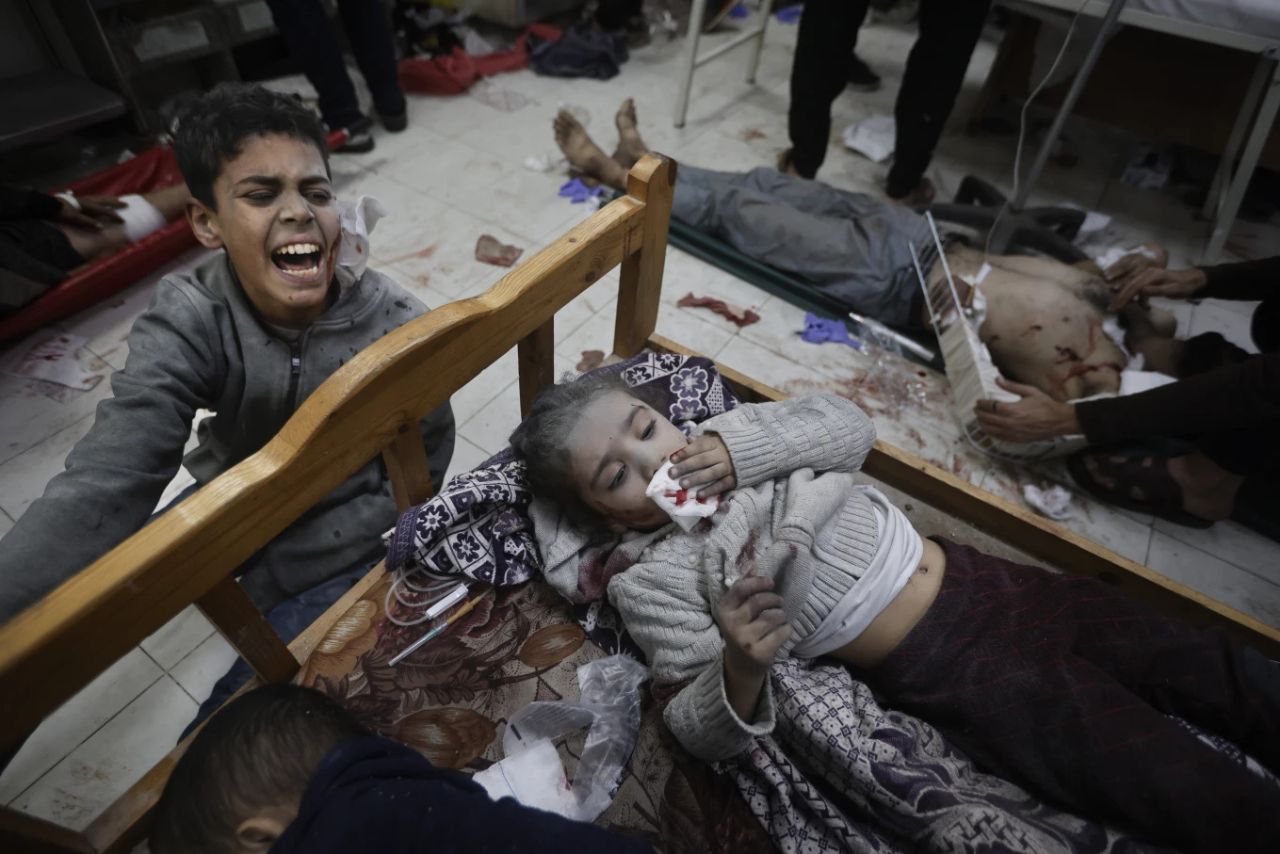
Across the coastal sands, survivors cling to sheer endurance.
In Gaza City, 35-year-old Shadi Barawi, one of some 6,000 amputees created by the war, cuts hair on crutches inside his tent to feed eleven relatives.
The Gaza Strip has the highest number of child amputees per capita in the world, with UN and humanitarian agencies reporting up to 4,000 child amputations and an estimated 5,000 to 6,000 total amputees since the genocide began in October 2023.
For the outside world, Gaza has become a test – not of sympathy, but of whether we are willing to look at what has been done, and to ask what must come next.
The rubble is not just concrete and dust.
It is a testament to how humanity has failed.
It is a record of what we allowed to happen.