
Nearly 1.3 million children in the four districts and one city corporation of Sylhet division have received special measles-rubella (MR) vaccines over the past two and a half months, according to government records.
However, more than two and a half months after the vaccination campaign began, the incidence of measles has not declined.
According to health department data, on August 1, Sylhet division reported 77 suspected measles cases, including one death, and 13 laboratory-confirmed cases with no deaths.
During the same period, 77 patients were admitted to hospital and 67 were discharged.
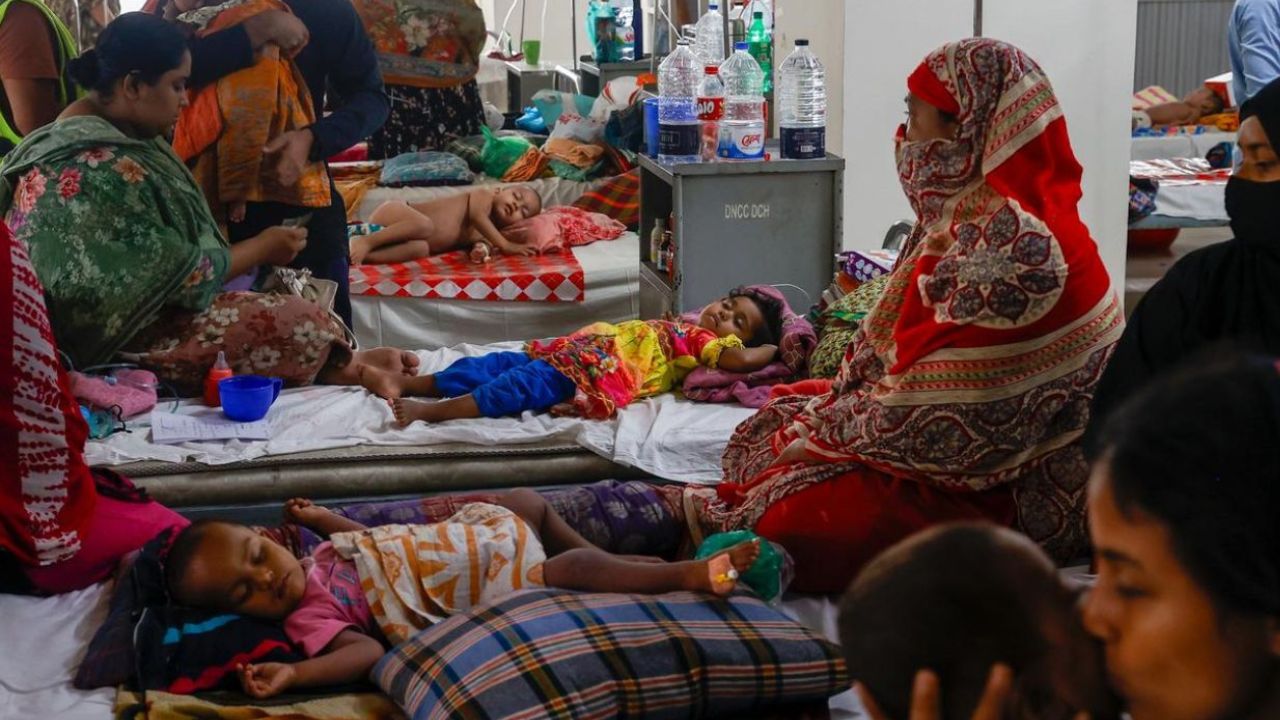
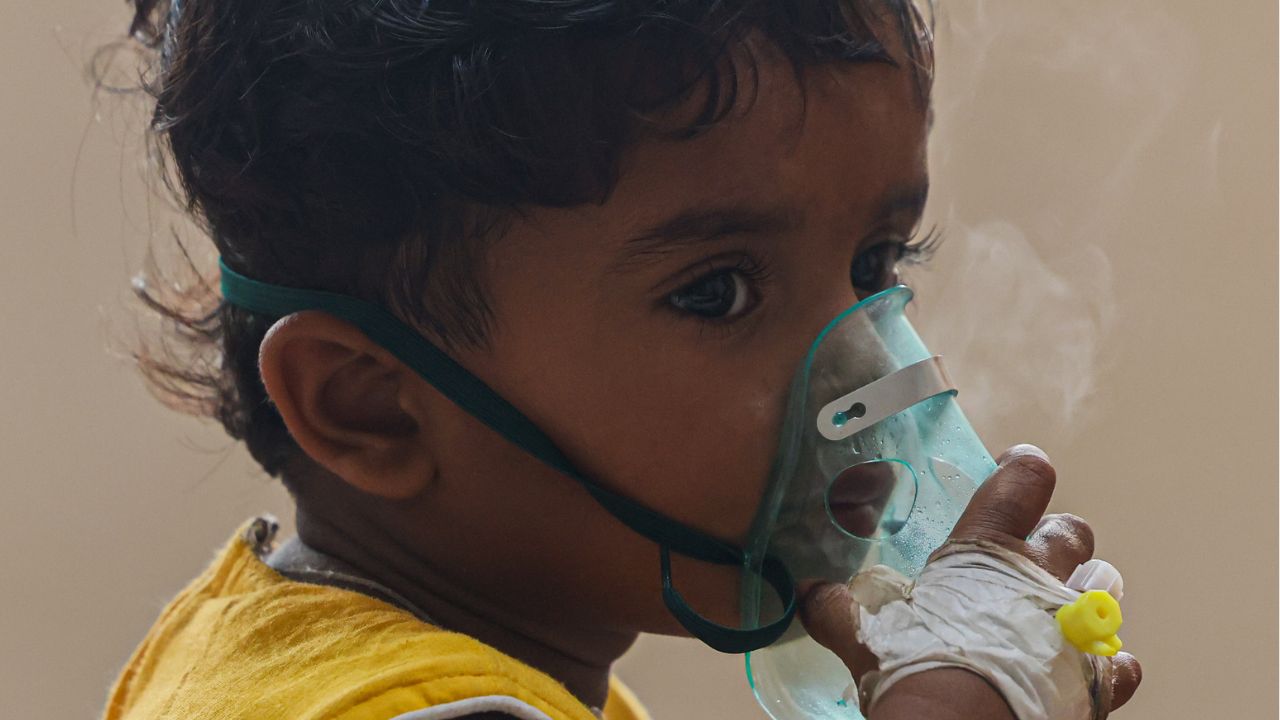
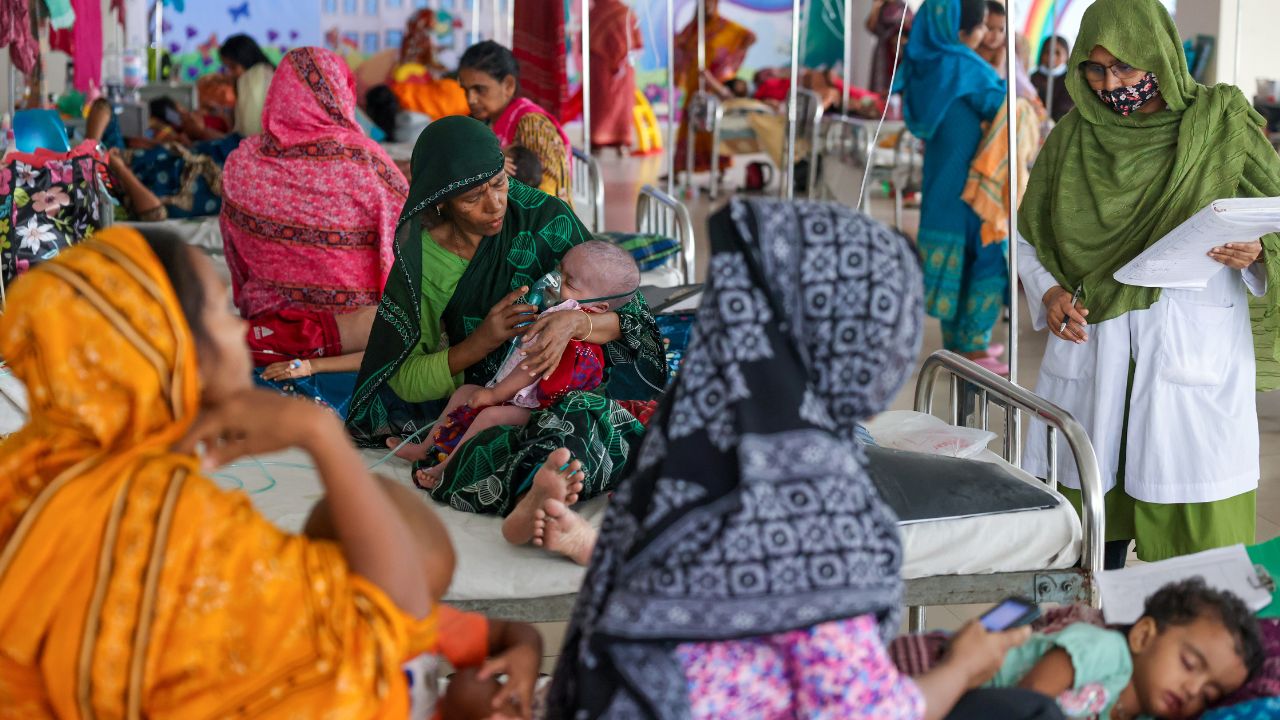
Since March 15, the division has recorded 7,845 suspected cases, including 110 deaths, and 657 confirmed cases with three deaths. A total of 7,300 patients have been hospitalized, while 6,903 have been discharged after recovery.
Mohammad Amanat Ullah, WHO programme officer in Sylhet, told TIMES of Bangladesh, “The main reason for the continued rise in infections after vaccination is the presence of unrecognised patients.

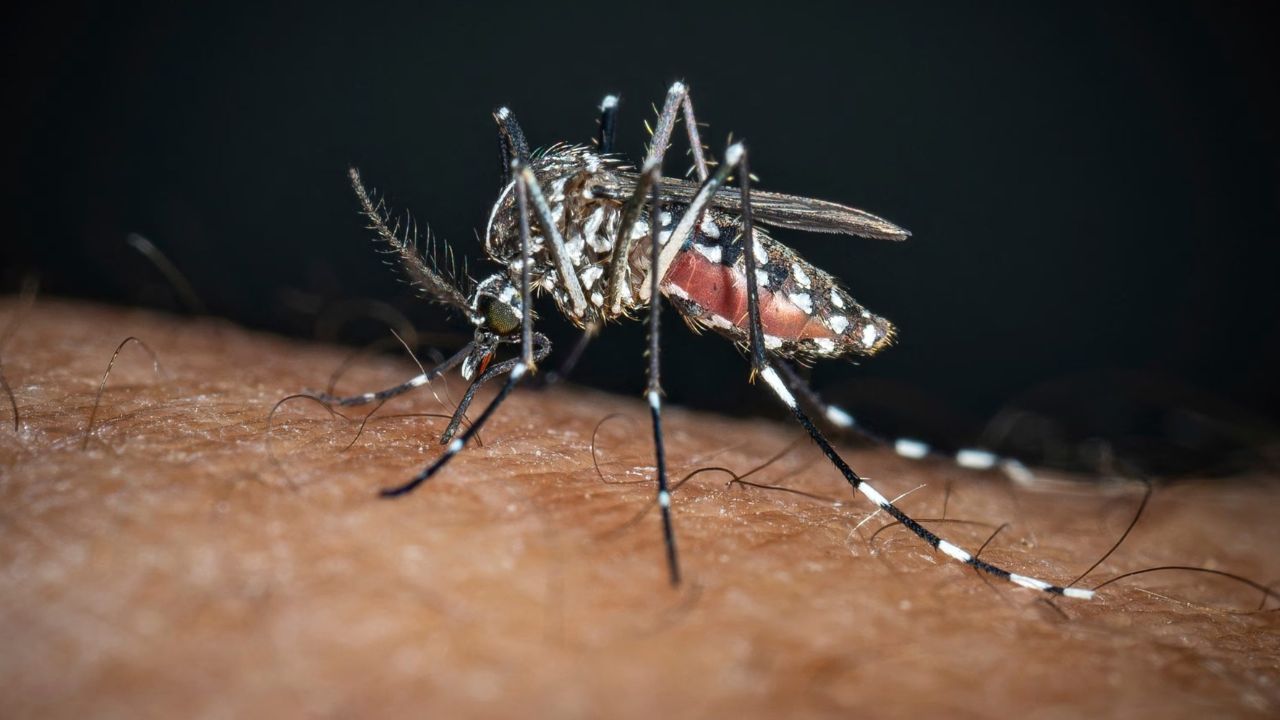
Some infected children in the community have not come under hospital care or have not been diagnosed. Since a single infected child can spread the virus to 14–16 others, it is impossible to bring the disease under control.”
Regarding the effectiveness of the vaccine, he said that even with 100 per cent vaccination, immunity (or ‘herd immunity’) generally develops in 95 per cent of people.
The remaining 5 per cent remain unprotected. This 5 per cent may be due to children’s bodies not responding adequately, poor vaccine quality, or mechanical errors during administration.
Health department officials say that newborns whose mothers were previously unvaccinated remain at risk. In particular, in remote areas and tea garden regions, low vaccination rates and lack of awareness are contributing to higher transmission.
Medical science indicates that one infected child can transmit the disease to 14–16 others. Furthermore, even with full vaccination, about 5 per cent of people remain unprotected for reasons such as insufficient immune response, compromised vaccine effectiveness, or administration errors.
According to health department data, the measles outbreak in the country began in March this year. On 4 April, the first 30 measles cases were reported in Sylhet division.
There were no deaths at that time. Among the identified cases, 10 were in Sylhet, seven in Sunamganj, eight in Moulvibazar, and five in Habiganj.
In Sylhet division, the highest number of measles cases is in Sunamganj district. Till July 27, according to data from the office of the Divisional Health Director, 320 cases and 48 deaths have been reported in Sunamganj so far.
Sylhet district has recorded 196 cases and 37 deaths, Habiganj 61 cases and 11 deaths, and Moulvibazar 27 cases with 13 deaths.
Discrepancies have also been observed between national and divisional health authority data on the measles situation.
On 27 July, the Integrated Control Centre of the Health Services Division reported 110 deaths in Sylhet division from 15 March, including three confirmed measles deaths and 107 suspected.
Meanwhile, the report from the Sylhet Divisional Health Director’s office for the same period lists 109 total deaths, including four confirmed measles deaths and 105 suspected.
Similarly, the number of measles cases in a 24-hour period differs between the two reports: 15 in the national report on 27 July, and no cases in the divisional report.
Claims of vaccination success
Under the 2026 National Measles-Rubella Vaccination Campaign, Sylhet division vaccinated 1,324,641 children against a target of 1,323,966, achieving 101 percent coverage.
Sylhet City Corporation vaccinated 68,962 children against a target of 68,933, achieving 100 percent coverage.
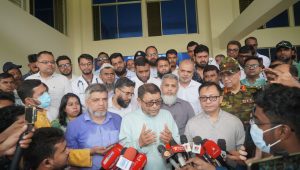
Divisional Director (Health) Mahbubul Alam told TIMES, “Due to the success of the vaccination campaign, the daily number of hospital admissions has decreased considerably, and the death rate has dropped significantly.
Where previously 4–5 children died each day, now there have been many days without any deaths. Once ‘herd immunity’ is achieved, the benefits will be even greater.”
He added that in remote areas and the tea garden regions of Sylhet, low education levels and poor vaccination coverage are contributing to higher infection rates.
Regarding discrepancies with national reporting, he said, “According to our records, the number of confirmed measles deaths has remained at four over the past two months. No errors exist at the national level.”